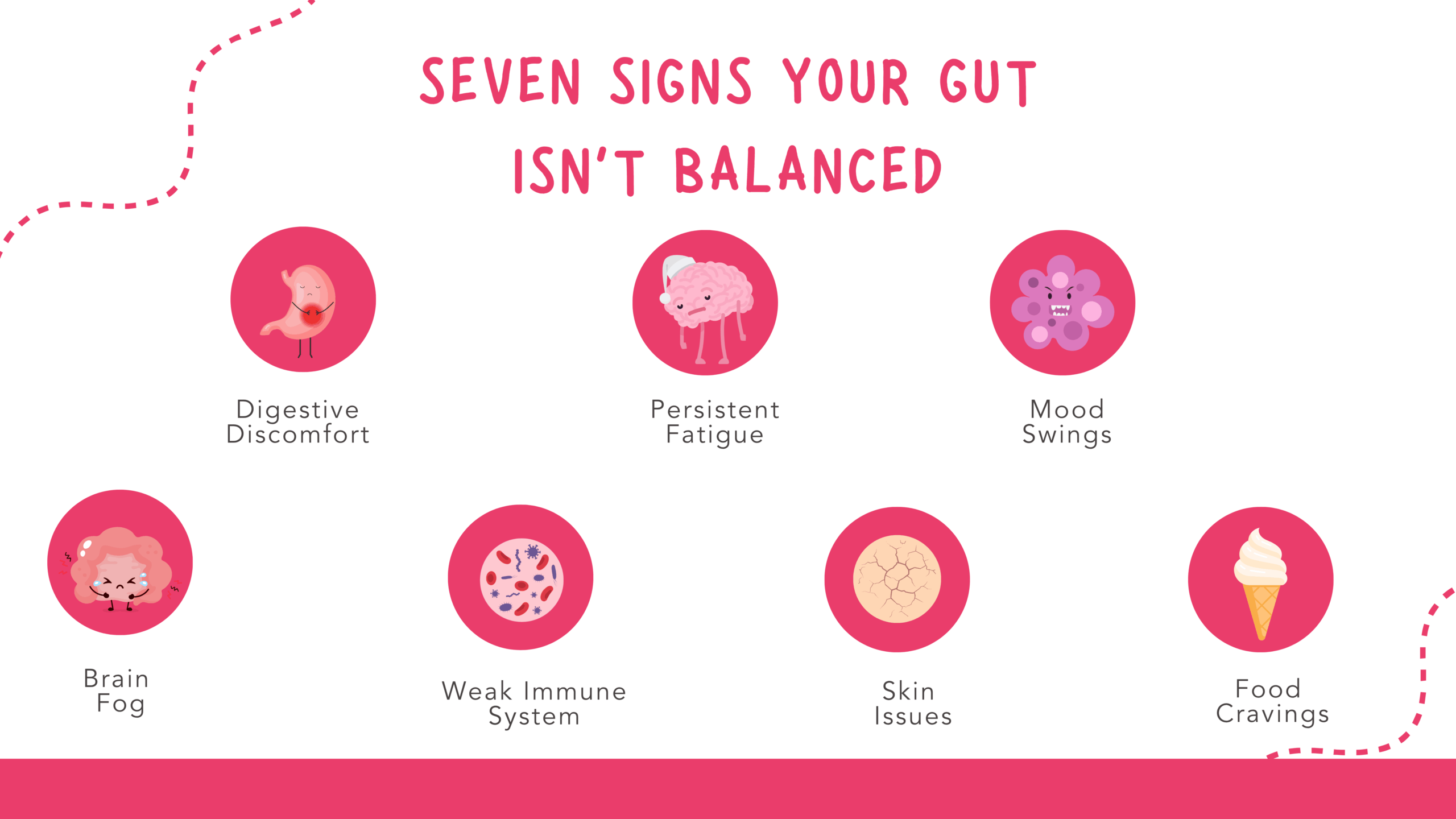
Your child's digestive health affects far more than just their bathroom habits. Gut imbalance, or dysbiosis, shows up in unexpected ways that parents often miss. When your child's gut microbiome falls out of whack, the ripple effects touch mood, skin, energy, and behavior.
Common signs that your child's gut needs attention include chronic bloating, constipation or diarrhea, unexplained skin rashes or acne, persistent fatigue, mood swings, food sensitivities, and brain fog. These symptoms often seem unrelated, so parents address them separately rather than recognizing a single root cause.
The connection runs deep. Your child's gut produces about 90 percent of their serotonin, the neurotransmitter that regulates mood and sleep. When beneficial bacteria diminish, serotonin production drops. This explains why a child with an imbalanced gut might seem irritable, anxious, or have difficulty concentrating in school.
Dysbiosis develops through several routes. Antibiotics kill both harmful and beneficial bacteria indiscriminately. A diet heavy in processed foods and sugar starves good bacteria while feeding harmful species. Chronic stress, insufficient sleep, and food dyes also disrupt microbial balance. Even a single course of antibiotics can take months for the microbiome to fully recover.
Rebuilding gut health starts with diet. Probiotic-rich foods like plain yogurt, kefir, sauerkraut, and kimchi introduce beneficial bacteria. Prebiotic foods like garlic, onions, bananas, and fiber-rich vegetables feed existing good bacteria. Reducing processed foods and added sugar creates an environment where beneficial bacteria thrive.
For children with severe symptoms or food sensitivities, a pediatric gastroenterologist can order stool testing to identify specific imbal