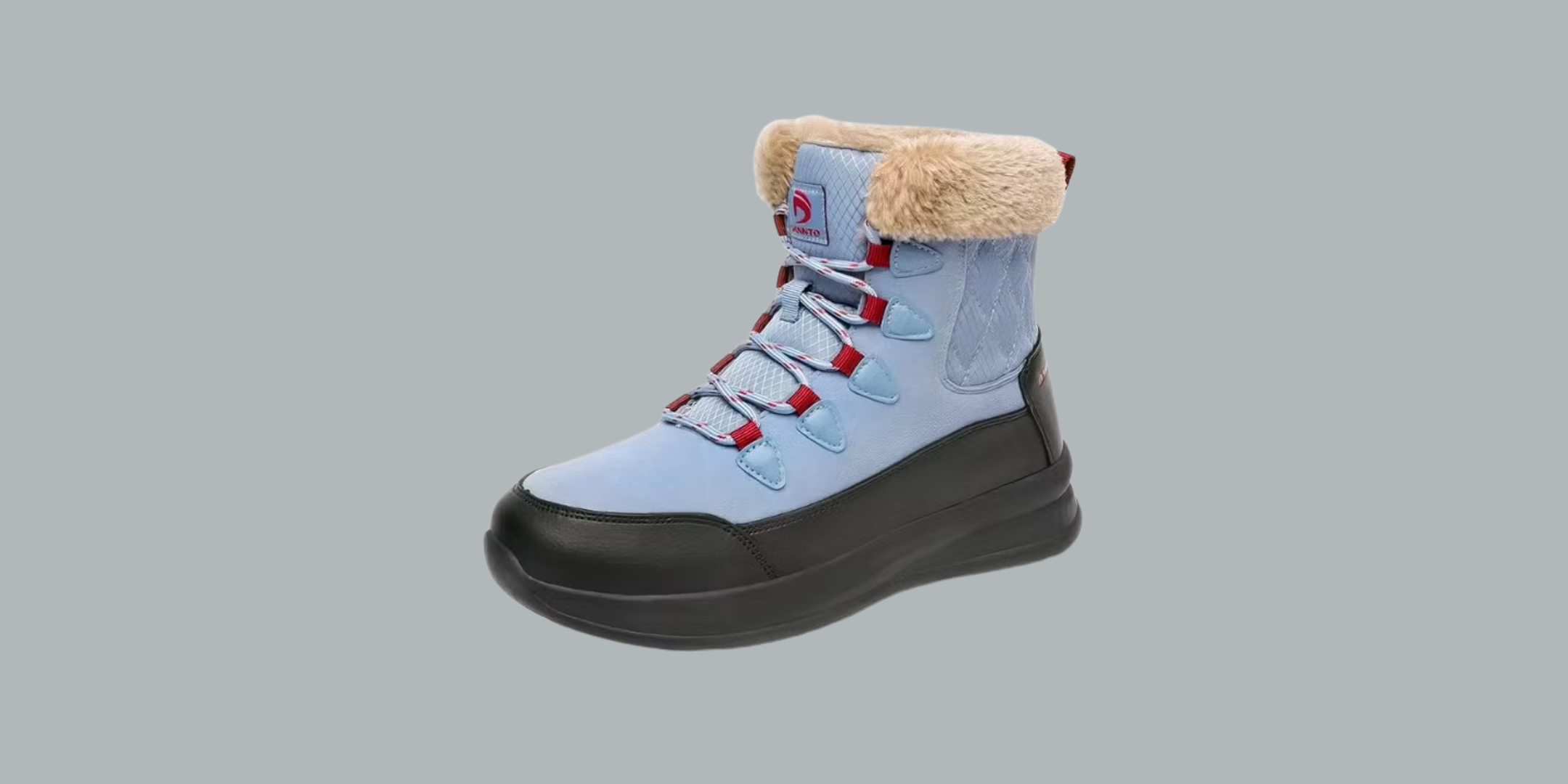
Pregnant people face unique challenges during winter months. Growing bellies shift balance, swelling feet need extra room, and icy conditions demand reliable traction. The right winter boots address all three concerns.
Experts recommend boots with these features. A wider toe box accommodates pregnancy-related swelling, which typically peaks in the third trimester. Low heels (under one inch) maintain stability better than high heels as your center of gravity shifts. Slip-on designs eliminate the frustration of bending down to tie laces when your belly gets in the way.
Insulation matters too. Pregnancy increases blood flow to the skin, making some pregnant people feel warmer. Others experience cold feet due to circulation changes. Boots with removable insoles let you adjust warmth as needed.
Traction becomes critical during pregnancy. Ice and slippery surfaces pose real fall risks. Look for boots with rubber soles designed for winter grip. Avoid smooth leather soles, which slide on ice.
Boot height affects comfort differently for each pregnant person. Ankle boots work well if swelling stays manageable. Taller boots provide extra warmth and support if you spend time outdoors. Mid-calf options offer a middle ground.
Weight matters when you're already carrying extra pounds. Lightweight boots reduce leg fatigue and joint stress. Heavier boots can strain knees and ankles already working harder during pregnancy.
Shopping for winter boots while pregnant works best when you try them on in the afternoon. Feet swell throughout the day, so afternoon sizing gives you a true fit. Bring thick socks you'll actually wear during winter.
Consider brands that specialize in comfort footwear. Many outdoor boot makers now offer pregnancy-friendly options with supportive arches and cushioned insoles. Some boots designed for people with flat feet or plantar fasciitis work equally well for pregnant feet.