# How to Protect Kids During a High-Conflict Divorce
A sudden move without explanation. Minimal warning to pack belongings. Papers served the next day. This is what high-conflict divorce looks like from a child's perspective, and the emotional fallout can follow kids into adulthood.
The Child Mind Institute explores how parents can shield children when marriages dissolve with hostility and legal aggression. The stakes matter. Research shows children caught in high-conflict divorces face increased anxiety, depression, and behavioral problems. They struggle academically and develop trust issues that extend into their own relationships.
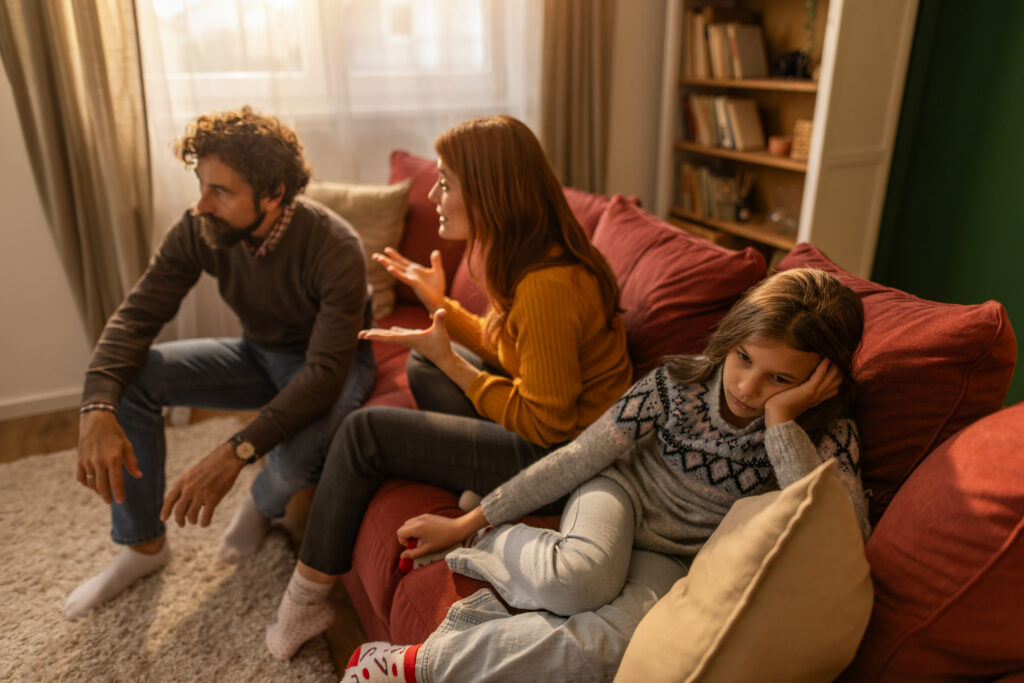
The core challenge: keeping kids out of the crossfire. Parents in high-conflict divorces often weaponize their children, using them as messengers, spies, or emotional support. Some parents demand kids choose sides. Others speak negatively about the other parent in front of children. These tactics backfire. Kids internalize the conflict as their own failure and feel responsible for repairing the relationship.
Experts recommend specific protective measures. Keep communication about logistics separate from emotional venting. Use written exchanges through apps like Our Family Wizard rather than face-to-face confrontations. Create stable routines and consistent rules across both homes. Don't ask children to relay messages between parents. Shield them from legal details, financial struggles, and adult anger.
Parents need professional support too. Therapists, mediators, and parenting coaches help adults manage their own emotions so children don't absorb rage and resentment. Individual therapy for kids offers a neutral space to process confusion and fear.
The stakes extend beyond childhood. High-conflict divorce patterns teach kids that relationships are battlegrounds. Some repeat patterns in their own partnerships. Others avoid commitment entirely, fearing the chaos they witnessed.
Parents navigating divorce face a choice. They can prioritize winning against their ex, or they can prioritize their children's wellbeing