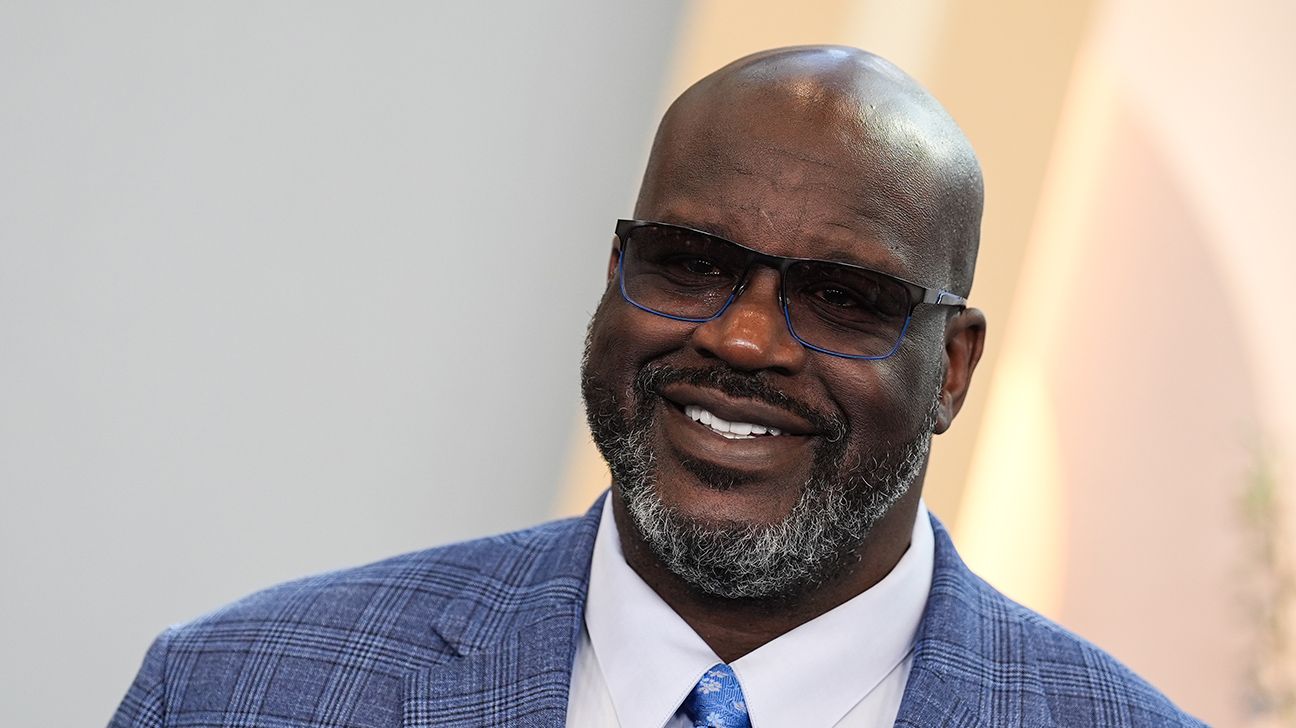
Shaquille O'Neal recently shared that Zepbound, a GLP-1 receptor agonist medication, helped him manage both sleep apnea and weight loss. The former NBA star discussed how the injectable prescription medication improved his sleep quality and supported his weight management goals.
Zepbound (tirzepatide) works by mimicking glucagon-like peptide-1, a hormone that regulates appetite and blood sugar. The medication slows stomach emptying and signals fullness to the brain, helping users eat less. It received FDA approval in 2023 for chronic weight management.
Sleep apnea, a condition where breathing repeatedly stops and starts during sleep, often correlates with obesity. Extra weight around the neck and throat narrows airways. When patients lose weight through any method, including medications like Zepbound, airway obstruction often improves, leading to better sleep quality and reduced apnea episodes.
O'Neal's experience reflects what doctors observe in practice. As patients using GLP-1 medications lose weight, their sleep apnea symptoms frequently decline. Some patients report needing their CPAP machines less frequently or experiencing fewer apnea events per night.
However, Zepbound isn't right for everyone. The medication costs around $1,000 per month without insurance coverage and carries potential side effects including nausea, vomiting, and pancreatitis. It's contraindicated for people with a personal or family history of medullary thyroid cancer or multiple endocrine neoplasia syndrome type 2.
Parents shouldn't give GLP-1 medications to children without medical supervision. These drugs remain primarily studied in adults, though some pediatric research is underway.
Anyone considering Zepbound or similar medications should consult their doctor about whether it's appropriate for their specific health situation. Sleep apnea requires proper