# Menopause: Plant-Forward Diets Can Help With Weight Management
Women entering menopause struggle with weight gain due to hormonal shifts and slower metabolism. Plant-forward diets offer a research-backed strategy to manage these changes.
During menopause, declining estrogen levels slow metabolism and shift where the body stores fat, typically toward the belly. Women often gain 5 to 8 pounds during this transition, even without eating more. Plant-based and plant-forward eating patterns address this challenge through multiple mechanisms.
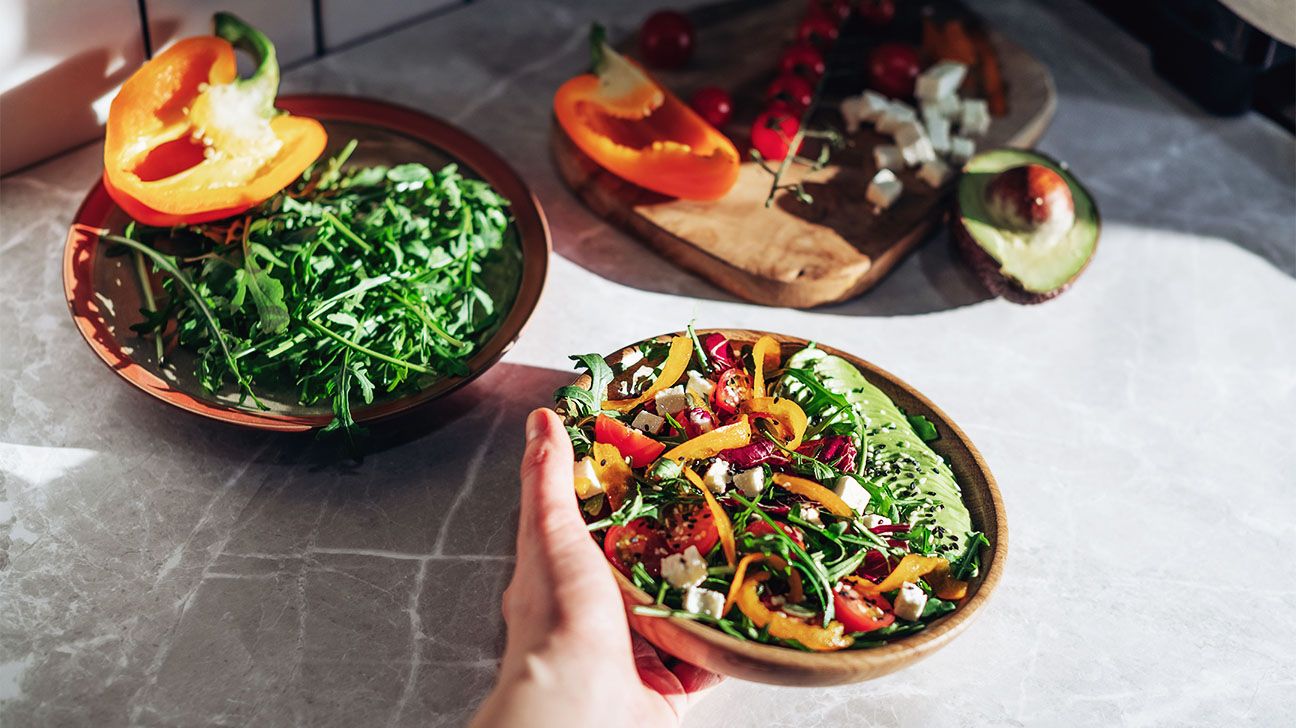
Plant-forward diets emphasize vegetables, fruits, whole grains, legumes, nuts, and seeds while reducing animal products. These foods pack fiber, which keeps women feeling full longer and stabilizes blood sugar. Fiber also feeds beneficial gut bacteria, which research suggests influences metabolism and weight regulation.
Studies show plant-forward eaters maintain lower body weights than those eating standard American diets high in processed foods and animal products. The pattern works partly because plant foods are less calorie-dense than meat and dairy. A bowl of lentil soup fills you up for far fewer calories than a burger.
Plant-forward diets also combat menopause symptoms beyond weight. The anti-inflammatory compounds in vegetables and fruits may reduce hot flashes and night sweats for some women. Whole grains and legumes provide sustained energy when fatigue hits.
Women don't need to go fully vegetarian to benefit. Starting with "plant-forward" rather than "plant-based" feels manageable. Swap half your dinner plate for vegetables. Try meatless Monday. Add beans to salads. Build breakfast around oatmeal, fruit, and nuts instead of eggs.
A registered dietitian can help personalize an eating plan around menopause. They address individual needs, food preferences, and any nutrient gaps. Women over 50 need 1,200