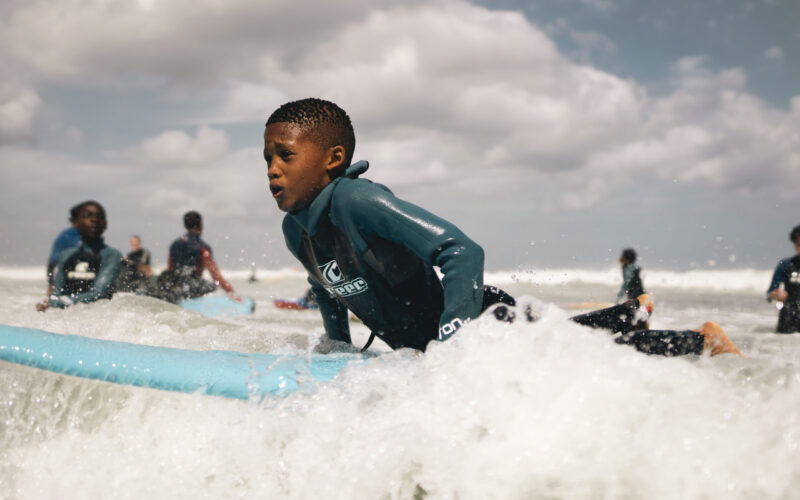
Surf therapy is emerging as an accessible mental health intervention for young people worldwide, according to research from the Child Mind Institute and the Stavros Niarchos Foundation Global Center for Child and Adolescent Mental Health.
Unlike traditional talk therapy, surf therapy combines physical activity, ocean exposure, and community connection in a low-intensity format that reaches teenagers who might otherwise avoid mental health treatment. The approach works particularly well for adolescents who resist conventional counseling or lack access to mental health services.
The program partners with organizations like Waves for Change, which operates surf therapy initiatives in coastal communities globally. These sessions introduce young people to surfing while simultaneously addressing anxiety, depression, and trauma through the natural therapeutic benefits of ocean exposure and peer support.
Research supports this model. Physical activity itself reduces anxiety and depression symptoms in teens. Add the sensory benefits of water and waves, plus the social element of group instruction, and you create a multi-layered intervention that feels less clinical than therapy. Young people show up because they want to learn surfing. The mental health benefits follow naturally.
The timing matters too. Adolescents experiencing emotional distress often benefit from activities that feel normal and social rather than labeled as "treatment." Surf therapy sidesteps the stigma many teens associate with therapy offices and counselors.
Dr. Harold Koplewicz and the Child Mind Institute have long advocated for expanding access to youth mental health care beyond traditional settings. Surf therapy represents this expansion. It reaches young people in their communities, particularly in underserved coastal areas where other mental health resources may be limited.
For families interested in similar approaches, the takeaway is clear. Mental health support for teenagers doesn't always require a therapist's office. Evidence-based interventions like surf therapy, rock climbing programs, martial arts, and other movement-based activities have measurable benefits. These approaches work best when they feel like something a teen cho