# Beer, Body Scent May Make You a Mosquito Magnet. Can DEET Help?
Mosquitoes bite some people far more often than others, and science explains why. Your body chemistry, what you drink, and your natural scent all play roles in whether you become a mosquito target.
Research shows that mosquitoes detect humans through carbon dioxide in breath, body heat, and skin odors. Certain people emit stronger chemical signals that attract these insects. A study in the journal PLOS ONE found that some individuals produce body scents that mosquitoes find particularly appealing, making them "magnet" people for bites.
Alcohol consumption increases your mosquito risk. When you drink beer, your body metabolizes it and releases ethanol through sweat and breath. Mosquitoes respond strongly to these odors. The same research indicates that people who consume alcohol become noticeably more attractive to mosquitoes within minutes of drinking.
Body odor intensity varies based on genetics, diet, skin bacteria, and metabolism. People who sweat more or produce stronger lactic acid on their skin tend to get bitten more frequently. Exercise, heat, and humidity all amplify these chemical signals.
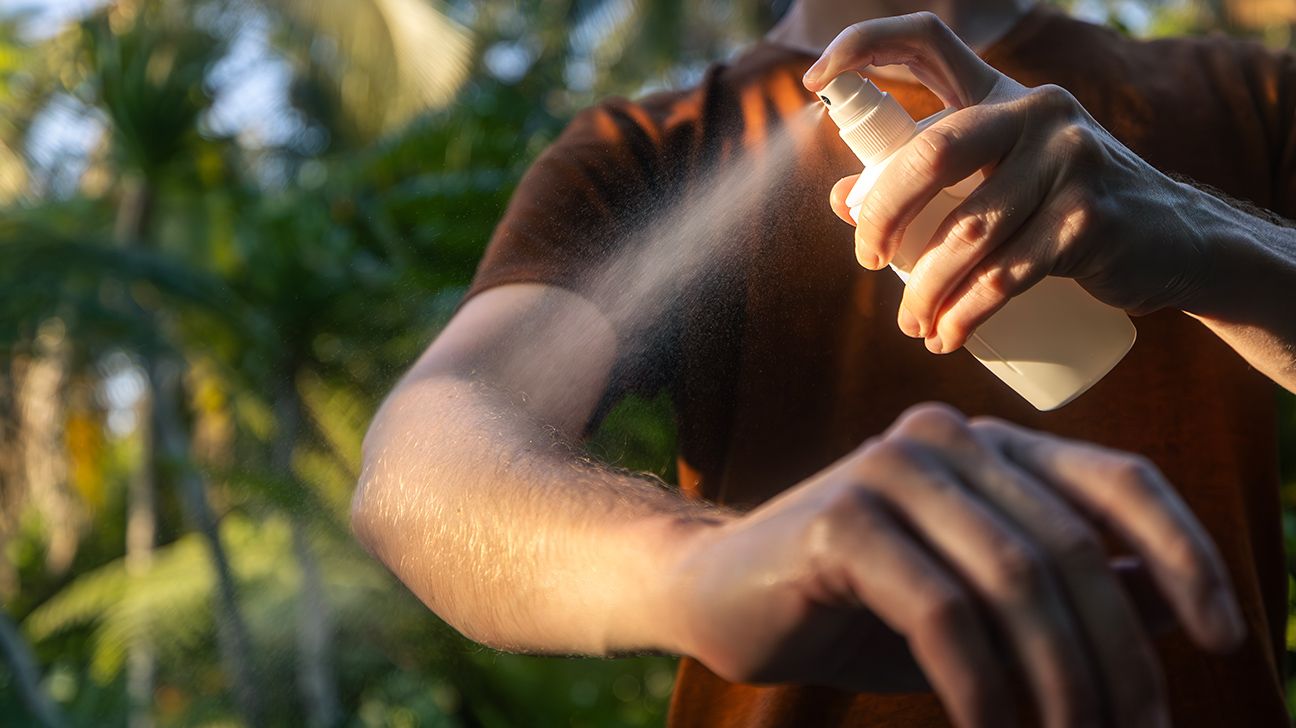
DEET remains the gold standard for mosquito protection. This insecticide works by blocking mosquitoes' ability to smell human odors, essentially making you invisible to them. Products containing 20 to 30 percent DEET provide reliable protection for several hours. The CDC recommends DEET-based repellents for preventing mosquito-borne diseases like West Nile virus and dengue fever.
Other effective options include picaridin (10 percent concentration) and oil of lemon eucalyptus, though DEET consistently outperforms these alternatives in durability testing. For families with young children, DEET remains safe when applied correctly