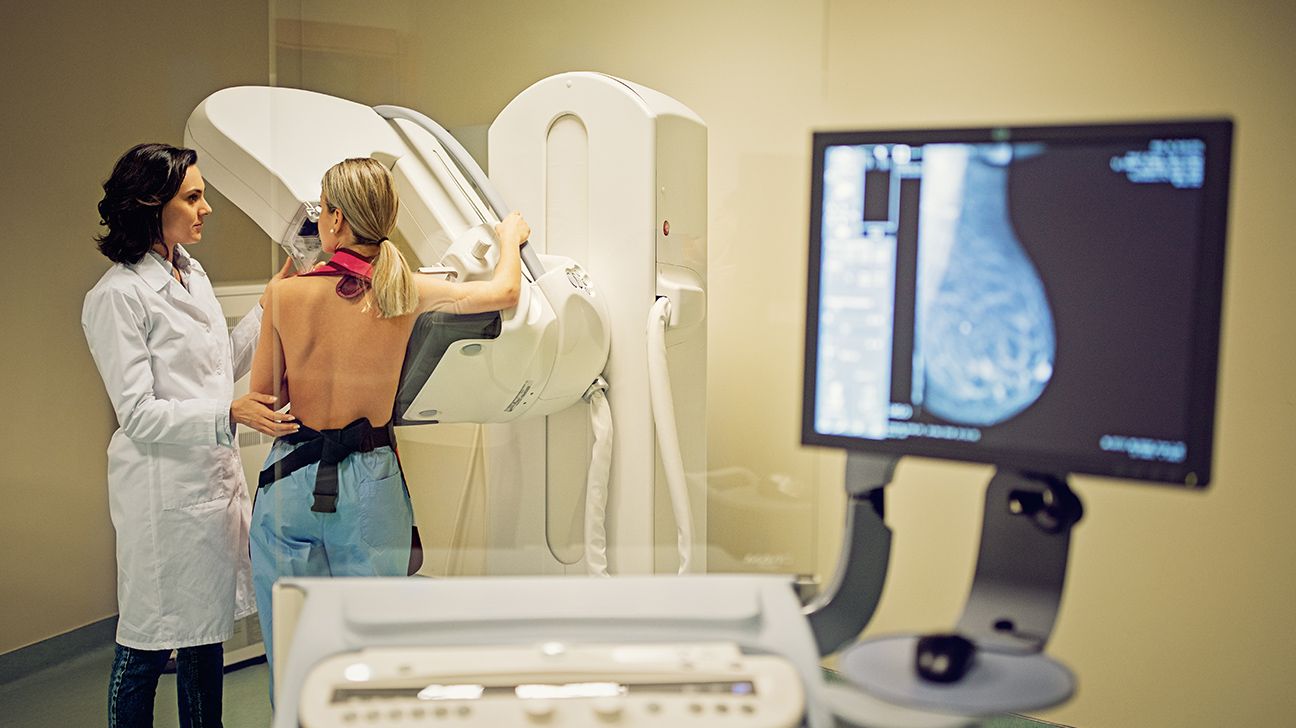
# New Breast Density Treatment Offers Safer Option for High-Risk Women
Researchers have developed a new approach to treating breast density that appears to reduce cancer risk while causing fewer side effects than existing treatments. High breast density, where breast tissue contains more glandular and fibrous tissue than fat, increases cancer risk and makes mammograms less effective at detecting tumors.
The new treatment targets the underlying biology of dense breast tissue without the systemic effects of hormone-based therapies currently used. Traditional density treatments often rely on hormone replacement therapy or other systemic interventions that carry risks of blood clots, stroke, or other complications.
Women with dense breasts face a significant health challenge. Dense tissue itself raises breast cancer risk by up to fourfold compared to women with fatty breast tissue. Additionally, cancers in dense breasts are harder to spot on standard mammograms because both cancer and dense tissue appear white on imaging.
This breakthrough matters for millions of women. About half of women in their 40s and 50s have dense breasts, making this a widespread health concern. Current screening recommendations for dense breast patients include supplemental ultrasound or 3D mammography, which adds time and cost to routine screening.
The new treatment approach appears to work by modifying the tissue composition itself rather than affecting hormones throughout the body. Early data suggests it reduces breast density measurements while maintaining better safety profiles than existing options. Researchers report fewer reports of side effects typically associated with hormone therapies.
For parents of adult daughters and women managing their own health, this development offers promise. Better breast density treatments could improve cancer detection rates and reduce overtreatment of benign conditions that mimics cancer on scans. Women with dense breasts who have struggled with treatment options or worried about hormone therapy side effects may soon have safer alternatives.
More clinical trials are underway to confirm these early results and establish optimal dosing and