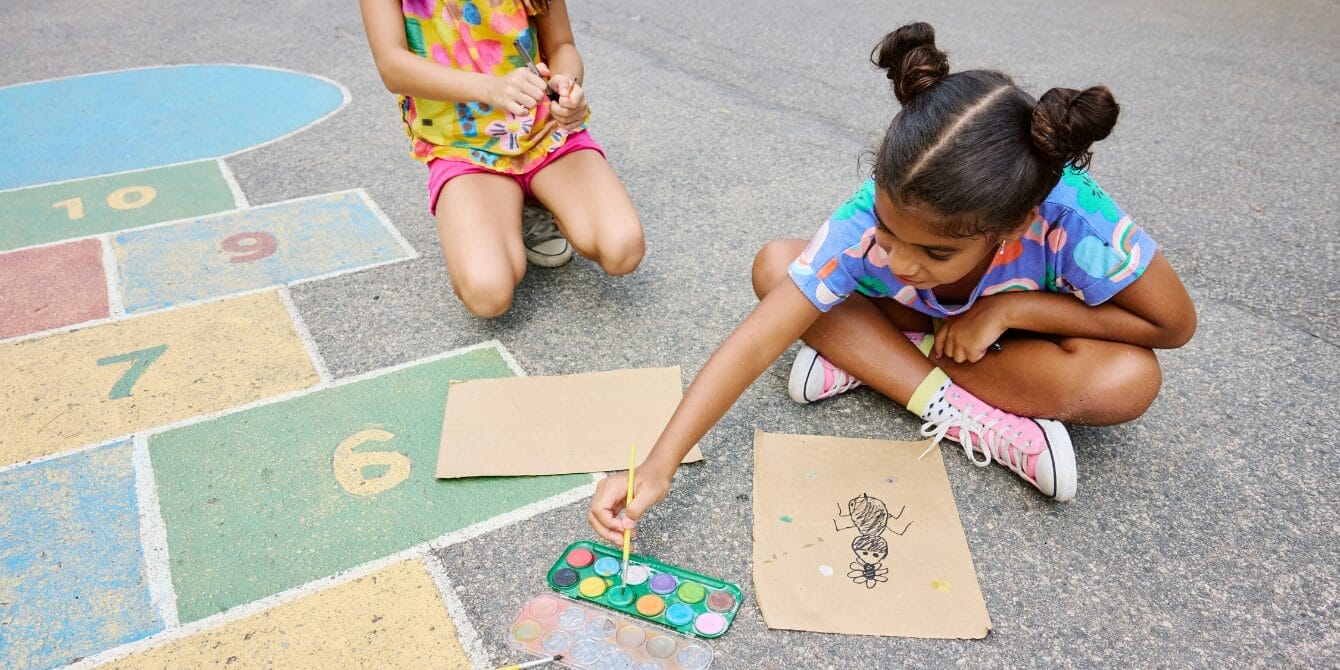
# Recess Isn't a Reward. It's a Requirement.
The American Academy of Pediatrics released new guidelines declaring recess a necessary component of every school day, not a privilege to be withheld for behavior or academic performance. This shift reflects decades of research showing that outdoor play directly supports children's physical health, mental wellbeing, and academic performance.
Recess serves multiple functions beyond entertainment. During unstructured play, children develop social skills, learn conflict resolution, and build resilience. They also get movement that their bodies need for healthy development. Kids who play outside show improved focus in classrooms afterward and report lower stress levels.
The AAP recommends elementary students receive at least 20 minutes of recess daily, though more is better. Middle and high school students benefit from regular physical activity breaks too. The guidelines emphasize that all students deserve recess access, including those with behavioral challenges or academic struggles. Withholding recess actually undermines the behavior you're trying to improve, since these children often need movement and play most.
If your child's school treats recess as a punishment or limits it for academic reasons, you have options. Start by talking with teachers and administrators about the AAP guidelines. Frame the conversation around student wellbeing and academic success, not just play time. Many schools respond well to evidence-based recommendations.
For families managing this at home, prioritize outdoor time after school. Even 15 minutes of unstructured play in your yard or a nearby park provides similar benefits. Limit screen time to create space for this activity. If your child attends a school resisting these guidelines, consider advocating at parent-teacher association meetings or school board sessions.
The AAP's stance recognizes what kids have always known: play matters. It's not downtime from learning. It's part of learning. Supporting recess isn't about being lenient