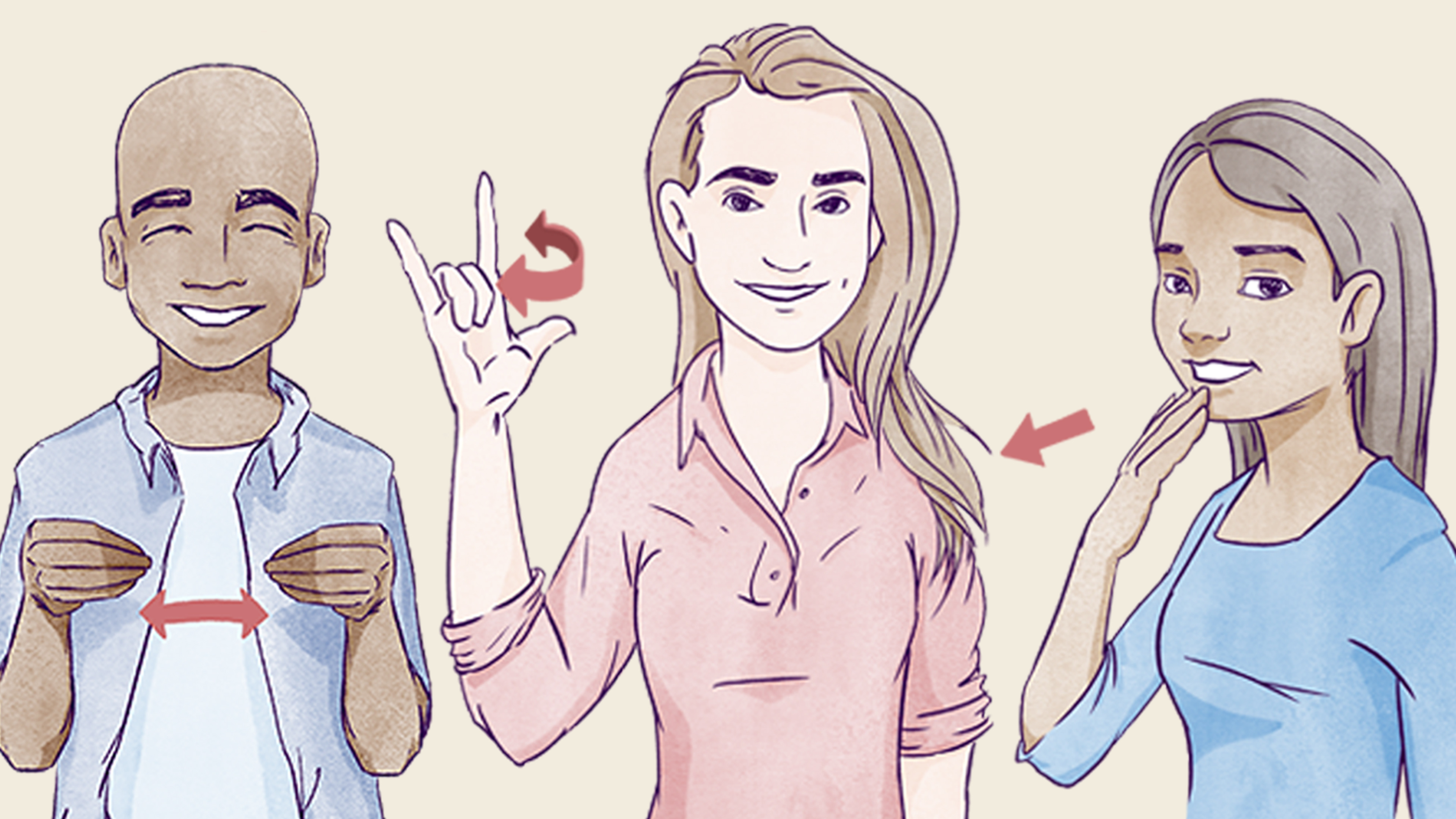
Baby sign language gives parents a way to communicate with infants before they develop spoken language skills. Babies as young as 6 months old can learn basic signs, often earlier than they speak their first words. This early communication tool reduces frustration for both baby and parent by giving your child a concrete way to express needs and emotions.
Common first signs include "more," "milk," "all done," "mommy," and "daddy." These words address everyday situations babies encounter during feeding, play, and caregiving. Teaching sign language doesn't delay speech development. Research shows that children exposed to sign language actually develop stronger overall language skills, including verbal ability.
The process starts simple. Choose one or two signs to introduce at a time. Use the sign consistently while saying the word aloud, so your baby connects the gesture with the spoken word. Repeat the sign during relevant moments. When your baby reaches for milk, sign "milk" while offering the bottle. When mealtime ends, sign "all done" as you clear the table.
Consistency matters most. All caregivers should use the same signs and timing. Babies learn through repetition across multiple contexts. You might need to demonstrate a sign 50 to 100 times before your baby initiates it independently.
Visual guides and cheat sheets make teaching easier. Resources from Mama Natural and other parenting sites provide step-by-step hand positions for the top 20 baby signs. Some families use Signing Exact English, while others adapt American Sign Language (ASL) for their household needs.
Beyond communication, baby sign language builds parent-child bonding. Your baby experiences the satisfaction of being understood. Parents feel less helpless when their pre-verbal child can express "hurt," "tired," or "happy." This early success with communication often builds confidence in both parties.
Starting baby sign language requires no special training or equipment. Your hands