# Trying to Conceive Tips: Do This If You're TTC
Couples trying to conceive often face a flood of questions about timing, fertility, and what actually works. The answers matter because conception timing and reproductive health directly shape outcomes for those pursuing pregnancy.
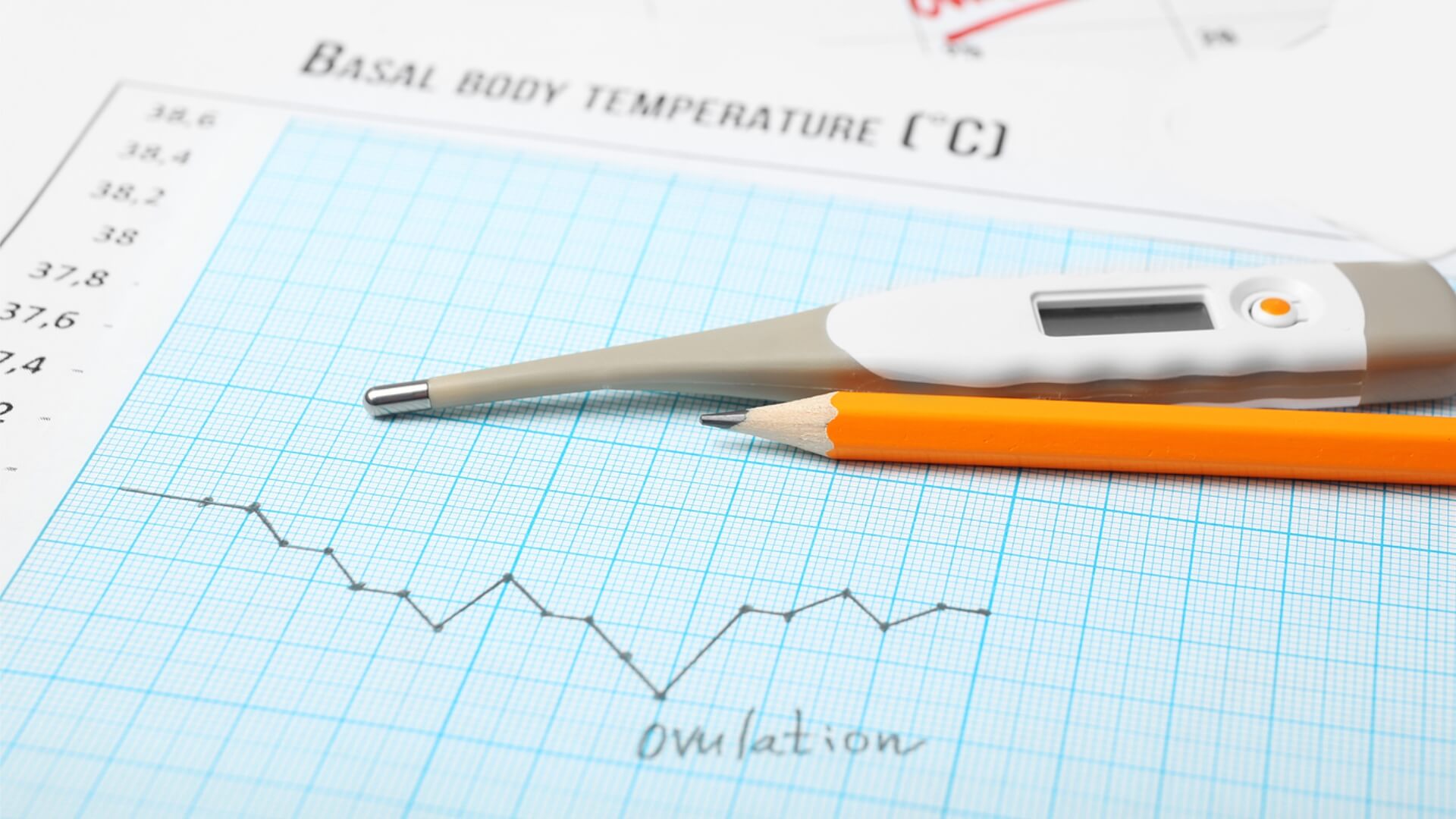
The most effective approach combines tracking ovulation with lifestyle adjustments. Ovulation typically occurs 12 to 16 days before the next menstrual period, making the five days before and the day of ovulation the fertile window. Sex during this window increases pregnancy odds significantly. Apps like Flo, Natural Cycles, and Fertility Friend help partners identify peak fertility through cycle tracking.
Fertility doctors emphasize that both partners need attention. Men benefit from avoiding tight underwear, limiting heat exposure to the testicles, and reducing stress, which can lower sperm quality. Women should focus on preconception nutrition, particularly foods rich in folate (leafy greens, legumes), iron (red meat, spinach), and antioxidants (berries, nuts). The American College of Obstetricians and Gynecologists recommends starting prenatal vitamins with folic acid while trying to conceive.
Lifestyle factors matter. Maintaining a healthy weight, exercising regularly, managing stress, and limiting alcohol improve fertility for both sexes. Smoking damages eggs and sperm and reduces uterine blood flow, making it a priority to quit before conception attempts.
Couples should track intercourse frequency. Contrary to old advice, daily sex during the fertile window works as well as every-other-day timing. The key is consistency during peak fertility days.
When to seek help depends on age. Women under 35 who haven't conceived after one year of trying should consult a reproductive endocrinologist. Women 35 and older should seek evaluation after six months of trying. Men experiencing erectile dysfunction or