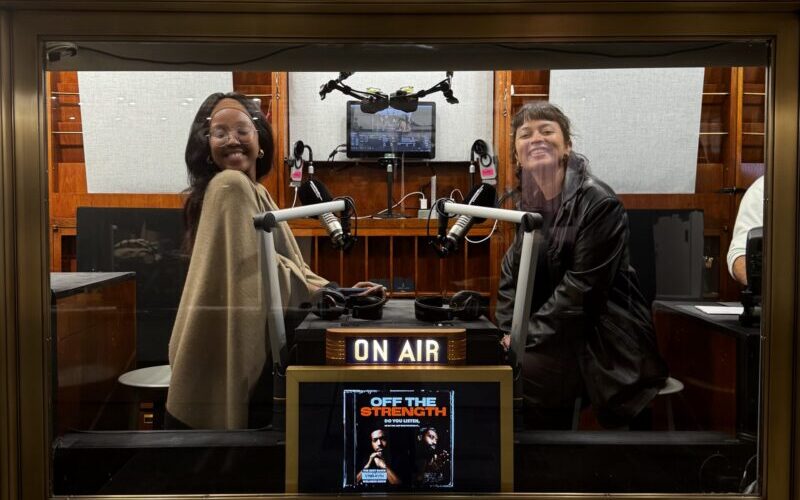
# Audio Storytelling Reaches Families Where Mental Health Help Is Needed Most
The Child Mind Institute is exploring how audio storytelling can break down barriers to mental health awareness and support for families. Rather than relying solely on traditional written resources or clinical language, storytelling offers a more accessible entry point for parents and kids grappling with anxiety, depression, and other mental health challenges.
Storytelling works because it normalizes struggle. When families hear real voices describing real experiences, mental health feels less like a medical diagnosis happening to someone else and more like a shared human experience. Audio formats especially meet families where they actually are: commuting, doing chores, or winding down at bedtime. Parents don't need to carve out extra time to sit with a worksheet or article. They can listen while driving their kids to school.
The Child Mind Institute's approach recognizes that awareness campaigns often fail when they talk at families instead of inviting them into conversation. Clinical jargon and heavy-handed messaging bounce off busy parents. Stories stick. A child hearing another child describe what anxiety actually feels like in their body, or a parent describing how they recognized their teenager needed help, creates connection. That connection opens doors to further help-seeking.
This method particularly serves families with language barriers or limited access to traditional mental health services. Audio content can reach multilingual households. It doesn't require internet scrolling or app navigation during vulnerable moments.
The institute's focus on audio storytelling aligns with broader research showing that narrative medicine and peer narratives improve health outcomes. Patients who hear similar stories before treatment report less shame and greater willingness to seek care.
For parents, this means quality mental health resources may soon arrive through the podcasts and audio apps your family already uses. Rather than treating mental health awareness as something separate from daily life, storytelling integrates it naturally into routines. The message becomes clear: mental health struggles are real