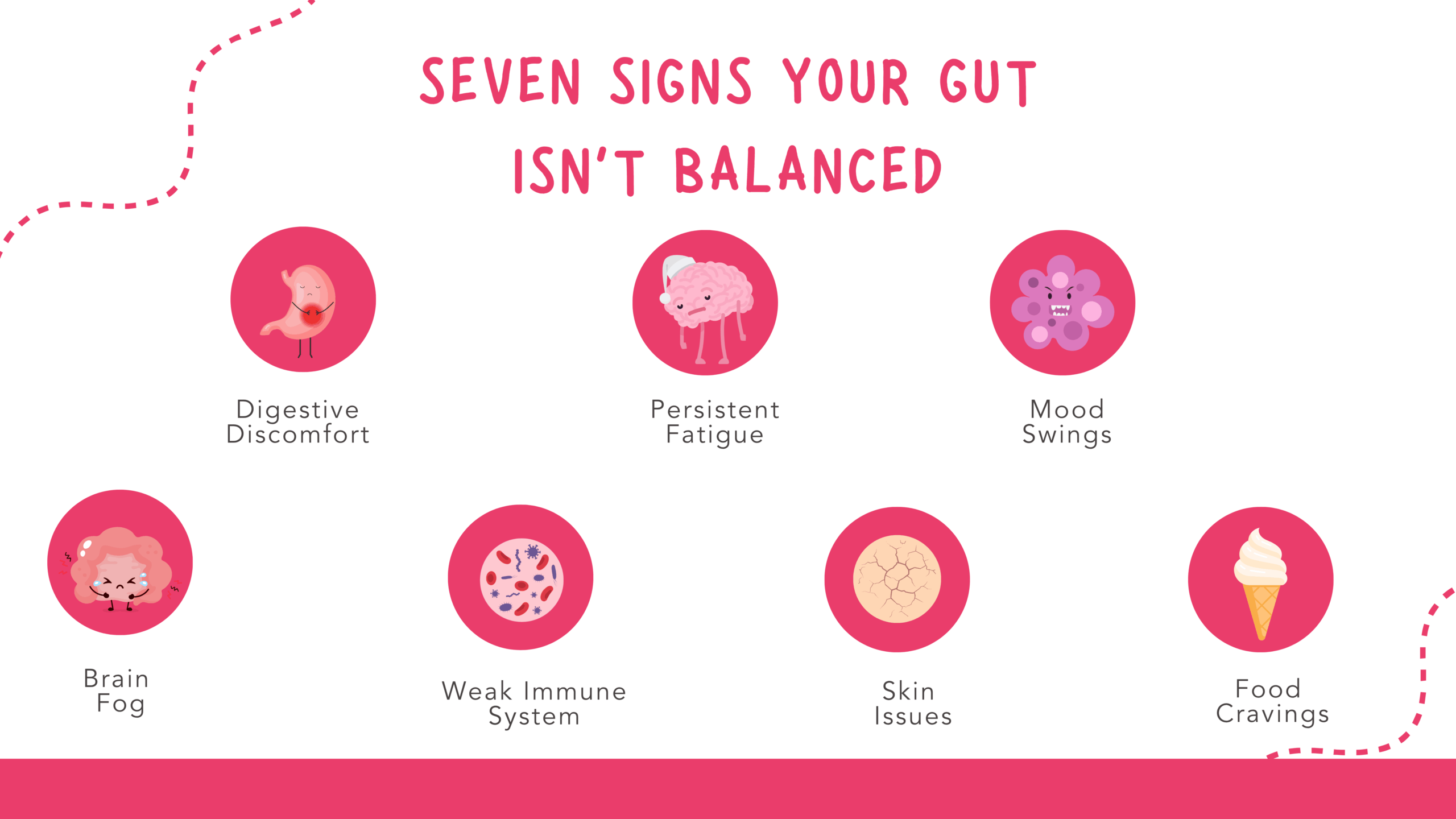
# 7 Signs Your Gut May Be Out of Balance
Your child's digestive health affects far more than just their stomach. When a child's gut microbiome falls out of balance, symptoms ripple through their entire body, from mood and skin to energy levels and focus.
Mama Natural outlines seven warning signs that suggest your child's gut needs attention. Digestive complaints like bloating, constipation, or diarrhea top the list as the most obvious indicators. But the connection goes deeper. An imbalanced gut can trigger mood swings, anxiety, and difficulty concentrating. Parents often notice their kids seem "off" without understanding why.
Skin issues offer another clue. A healthy gut lining protects against inflammatory responses that show up as eczema, acne, or other rashes. When the gut barrier weakens, substances leak through that trigger skin reactions and immune responses. Frequent infections also signal a struggling microbiome, since roughly 70 percent of the immune system lives in the gut.
Food sensitivities and cravings can emerge as the gut becomes unbalanced. A child who suddenly refuses foods they once enjoyed or obsesses over sugar and processed snacks may have a compromised bacterial community. Sleep problems and hyperactivity sometimes trace back to gut dysbiosis too, as the gut-brain axis directly influences neurotransmitter production.
The good news: parents can rebalance their child's gut through practical steps. Adding fermented foods like kefir, sauerkraut, and kombucha introduces beneficial bacteria. Prebiotics from foods like garlic, onions, and bananas feed the good bacteria already present. Reducing processed foods, added sugars, and unnecessary antibiotics protects the microbiome from further damage.
For children with persistent symptoms, working with a pediatrician or functional medicine practitioner can