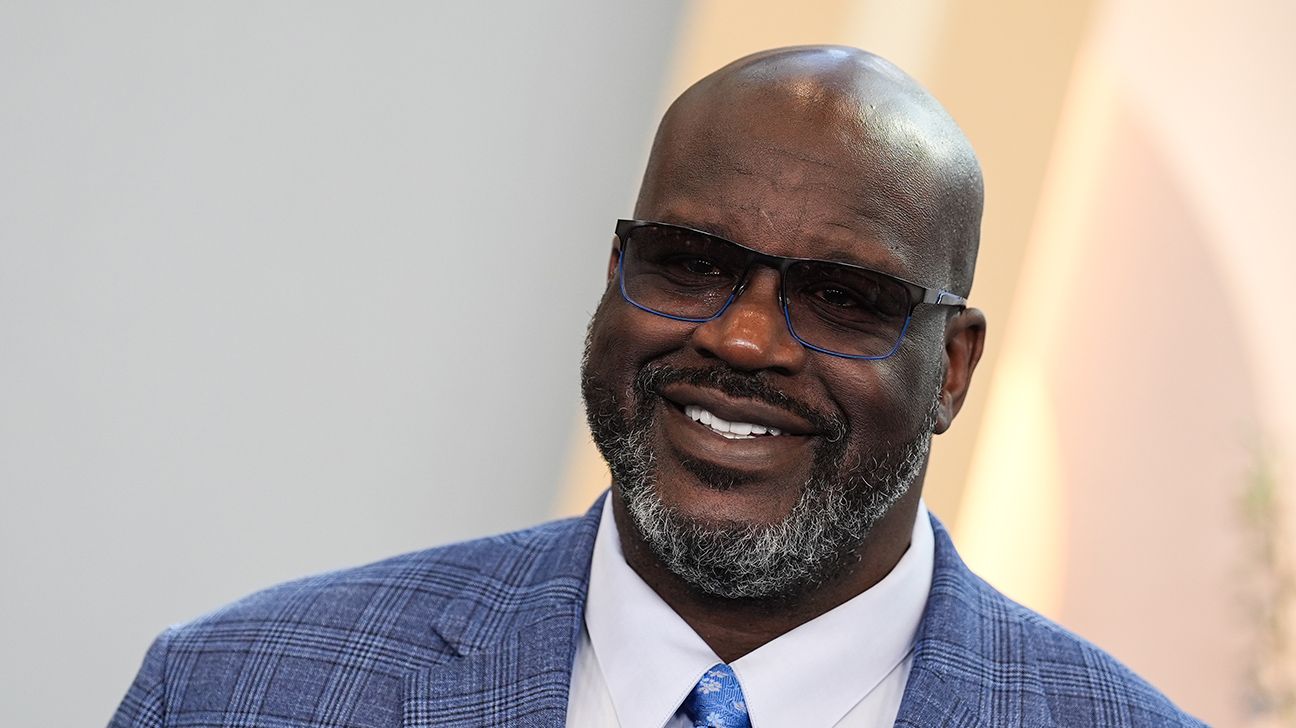
# Shaq's Sleep Apnea Breakthrough with Zepbound
Shaquille O'Neal recently shared how Zepbound (semaglutide) helped him address sleep apnea alongside weight loss. The former NBA star credited the medication with improving his breathing during sleep, a condition that affects millions of adults and disrupts rest quality.
Sleep apnea occurs when airway muscles relax during sleep, causing brief breathing interruptions. Excess weight worsens the condition by narrowing airways. When patients lose weight, sleep apnea often improves or resolves entirely.
Zepbound and similar GLP-1 receptor agonists work by regulating appetite hormones and slowing stomach emptying, leading to sustained weight loss. Clinical trials show these medications help patients lose 15 to 22 percent of body weight over 68 weeks. As weight decreases, sleep apnea symptoms frequently diminish.
O'Neal's experience highlights an underappreciated benefit of weight-loss medications. While marketed primarily for obesity, these drugs indirectly treat weight-related sleep apnea. Research published in medical journals confirms that each kilogram of weight loss reduces sleep apnea severity.
Parents managing their own health conditions should know that untreated sleep apnea carries risks. It increases the likelihood of heart disease, stroke, and high blood pressure. Daytime drowsiness from poor sleep also affects alertness and mood.
Anyone considering Zepbound should consult their doctor. The medication causes nausea, vomiting, and potential thyroid concerns in some patients. It requires weekly injections and costs around $1,000 monthly without insurance coverage.
O'Neal's openness normalizes conversations about weight, sleep disorders, and medical treatment. His example may encourage other adults struggling with these interconnected health issues to seek professional