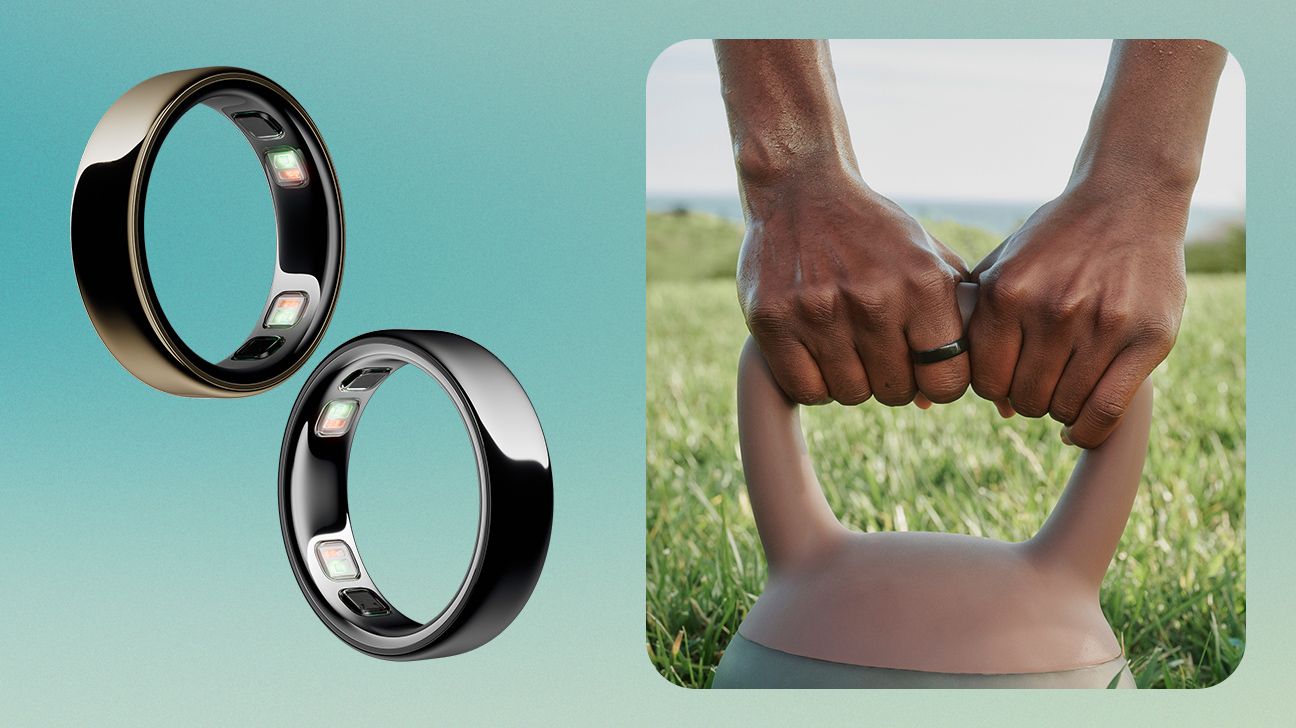
# Oura Ring 5: Smaller Design, Bigger Health Tracking
Oura released the Ring 5, its latest wearable health tracker designed to fit on your finger. The new model is smaller and lighter than previous versions, making it more comfortable for all-day wear. The ring tracks sleep, heart rate, activity levels, and recovery metrics through built-in sensors.
Parents considering wearables for their families should understand what the Oura Ring 5 actually measures. The device monitors heart rate variability, skin temperature, and movement patterns to estimate sleep quality and readiness for exercise. These data points help users understand their body's recovery needs and stress levels. The ring syncs with a smartphone app that displays personalized insights about health trends.
The upgraded design focuses on practicality. The smaller form factor reduces the "wearing a device" feeling that causes some people to abandon fitness trackers. Battery life extends across multiple days, reducing charging frequency. The durability improvements mean the ring withstands daily wear better than earlier models.
For families interested in health tracking, the Oura Ring 5 offers a less intrusive alternative to wrist-based smartwatches. Unlike bulky devices, a ring stays hidden under clothing or blends naturally into daily life. This matters for teenagers and young adults who may feel self-conscious wearing visible fitness trackers.
The cost remains a consideration. Oura Ring products start around $299, and the company operates a subscription model for full feature access. Parents should weigh whether detailed health metrics justify the ongoing expense.
Health tracking devices work best when users actually wear them consistently. The Ring 5's improved comfort design addresses one barrier to adherence. Combined with app-based feedback, the tracker helps families establish awareness around sleep and recovery habits. For households already interested in quantifying health data, this updated model removes some of the friction that prevented