# An Avocado a Day May Keep Diabetes, Hypertension, and Obesity at Bay
Recent research suggests that eating avocados regularly offers protective health benefits for children and adults. A new study finds connections between avocado consumption and reduced risk for type 2 diabetes, high blood pressure, and obesity.
Avocados deliver nutrients that support metabolic health. They contain fiber, potassium, and monounsaturated fats. These components work together to improve blood sugar control, lower blood pressure, and support healthy weight management. The fruit also provides lutein and other antioxidants that reduce inflammation.
The research examined dietary patterns across populations with varying avocado intake. Those who ate avocados regularly showed better cardiovascular markers and lower rates of metabolic syndrome compared to low-avocado consumers. One avocado per day emerged as an effective target for health benefits without excessive calorie intake.
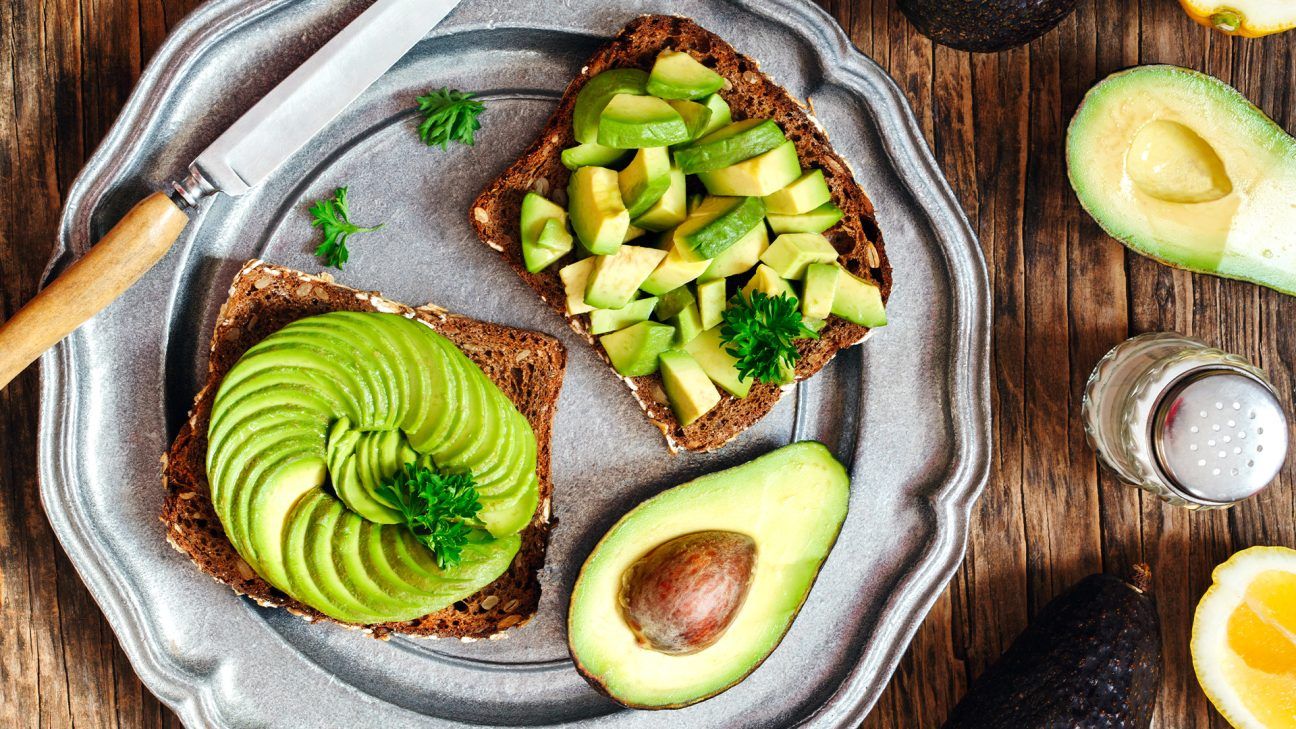
Parents can incorporate avocados into family meals easily. Add sliced avocado to toast, mix into salads, blend into smoothies, or serve as a side with lunch bowls. Avocados work well for toddlers too. Their creamy texture requires no cooking, and they're gentle on developing digestive systems. Mash them for younger children or offer thin slices to toddlers practicing self-feeding.
Cost remains a barrier for many families. Avocados fluctuate in price seasonally. Buying in bulk when prices drop and freezing guacamole offers savings. Grocery stores sometimes discount slightly bruised avocados suitable for immediate use.
One avocado contains about 240 calories and roughly 10 grams of fiber. For context, most children need 14 to 25 grams of fiber daily, depending on age. An avocado covers a meaningful portion of that requirement while