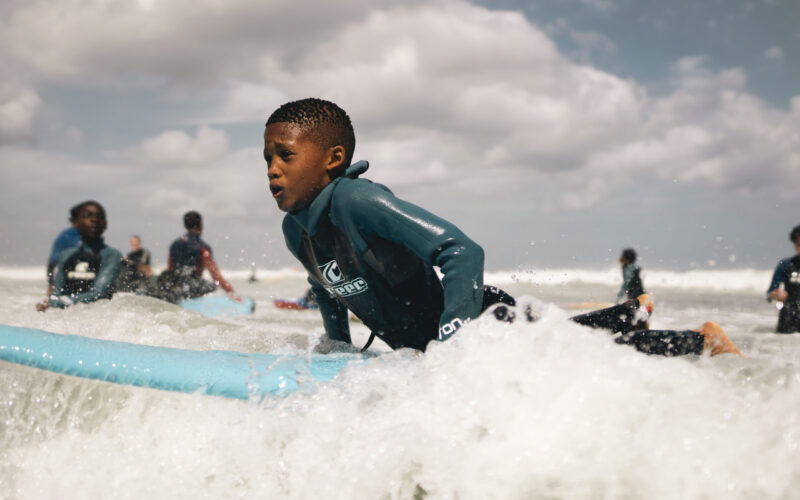
# Surf Therapy Offers Accessible Mental Health Support for Young People Worldwide
The Child Mind Institute's Stavros Niarchos Foundation Global Center for Child and Adolescent Mental Health is highlighting surf therapy as a low-intensity mental health intervention for youth. This approach combines ocean-based activity with therapeutic support, expanding access to mental health care beyond traditional clinical settings.
Surf therapy works by pairing surfing instruction with mental health guidance. Programs like Waves for Change deliver this model in coastal communities globally, addressing a critical gap in youth mental health services. The intervention targets young people who might not otherwise access therapy due to cost, stigma, or limited mental health infrastructure.
The appeal lies in its accessibility and engagement factor. Surfing naturally encourages physical activity, builds community connection, and creates a non-clinical environment where adolescents feel comfortable discussing challenges. For youth struggling with anxiety, depression, or trauma, the ocean setting provides sensory benefits while trained facilitators offer evidence-based support.
Low-intensity interventions matter because they reach more young people with fewer resources. Traditional therapy requires trained clinicians and scheduled appointments. Surf therapy leverages existing coastal assets and can train community facilitators, making it viable in underserved areas. Research from similar activity-based mental health programs shows outdoor interventions improve mood, reduce stress, and strengthen resilience.
The Child Mind Institute's partnership with organizations like Waves for Change reflects growing recognition that youth mental health requires creative delivery models. Globally, mental health services for adolescents remain severely underfunded. The World Health Organization estimates that 89 million adolescents lack access to basic care.
Programs combining physical activity, nature exposure, and peer support address multiple protective factors simultaneously. Participants gain skills, friendships, and coping strategies while building self-esteem through skill mastery in surfing.
Parents interested in surf therapy should look for programs