# Beer, Body Scent May Make You a Mosquito Magnet. Can DEET Help?
Mosquitoes do not bite everyone equally. Your body chemistry, recent food and drink choices, and natural scent profile all influence whether you become a mosquito target this summer.
Research shows mosquitoes detect humans through carbon dioxide, body heat, and body odors. Certain volatile compounds in sweat and skin bacteria act like a beacon to hungry insects. Some people naturally emit more attractive scent profiles than others, explaining why one family member gets bitten repeatedly while another walks away unscathed.
Alcohol consumption, particularly beer, increases your mosquito appeal. Studies indicate that drinking beer raises lactic acid levels in sweat, a compound mosquitoes find irresistible. If you plan to spend time outdoors with a drink in hand, expect more attention from insects.
Body odor intensity varies by genetics, diet, and activity level. People who sweat heavily or have certain bacterial colonies on their skin face higher bite rates. Pregnant women and those with elevated body temperatures also report increased mosquito attraction.
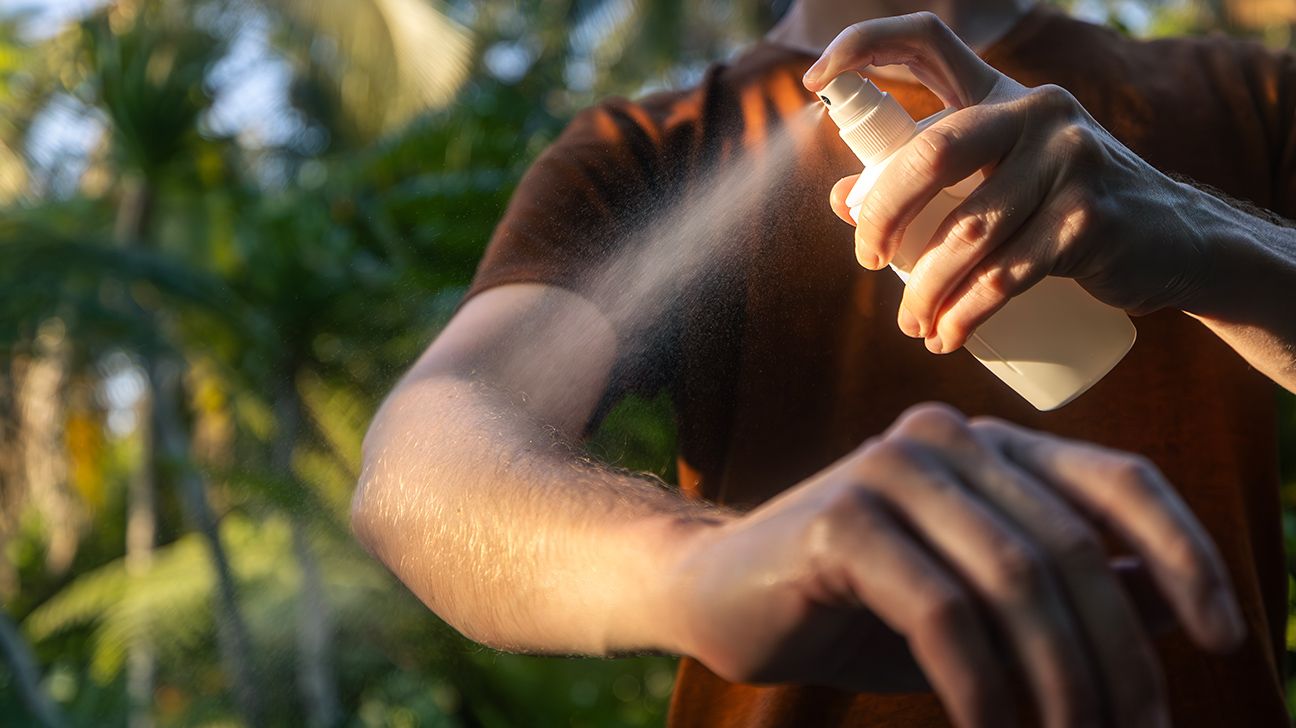
DEET remains the gold standard for mosquito protection. This EPA-approved ingredient works by masking your scent signals to mosquitoes, making you harder to locate. Products containing 20 to 30 percent DEET provide effective protection for several hours. The American Academy of Pediatrics approves DEET for children over two months old.
Beyond DEET, picaridin and oil of lemon eucalyptus offer reliable alternatives. Picaridin at 20 percent concentration matches DEET effectiveness. Oil of lemon eucalyptus, a natural option, provides shorter-lasting protection but suits families preferring plant-based solutions.
Practical strategies reduce bites without relying solely on chemicals. Wearing light-colored,