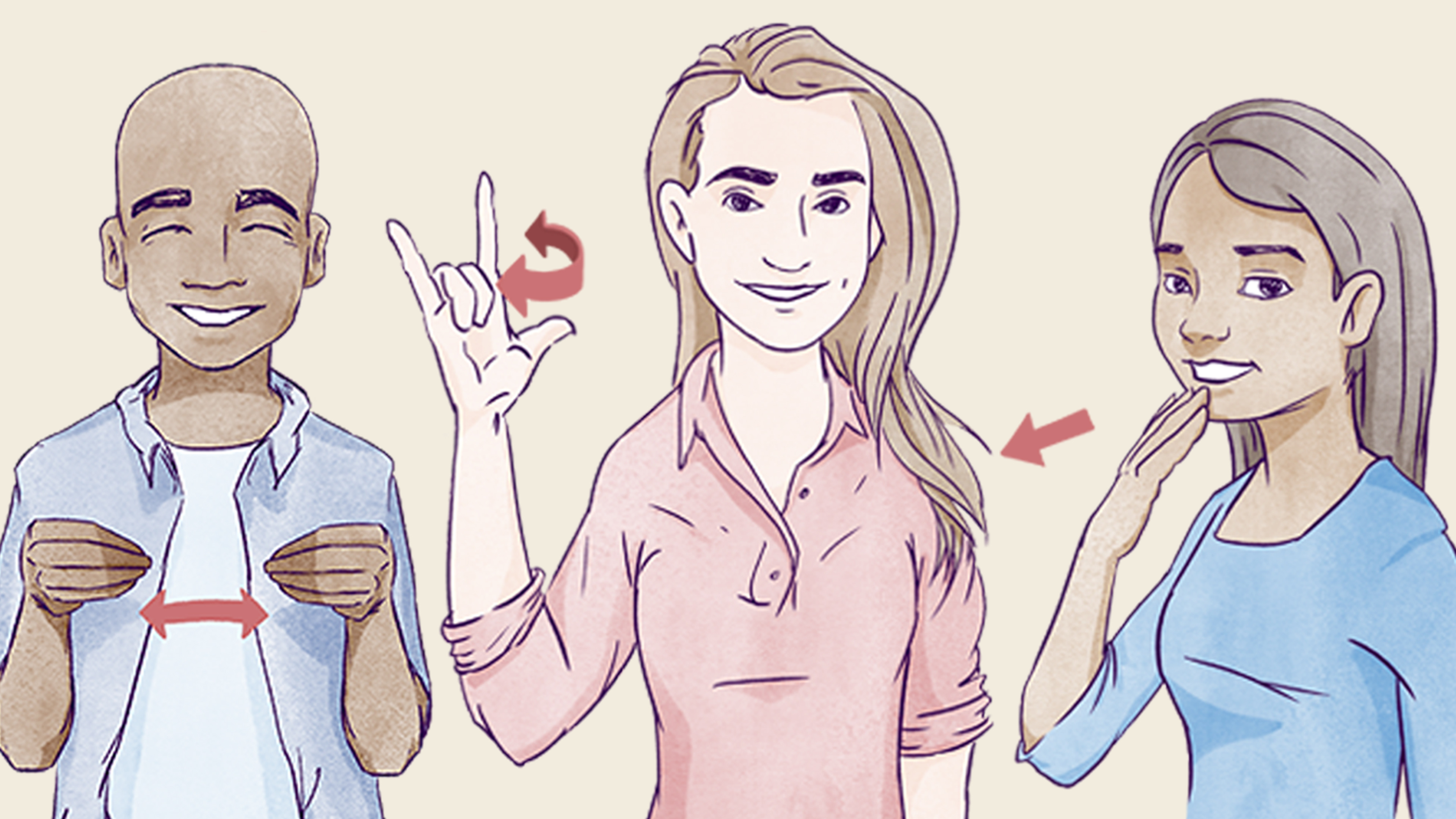
Baby sign language gives parents a way to communicate with infants months before they speak their first words. Teaching babies simple hand signs reduces frustration for both parent and child during the preverbal months, typically between 6 and 24 months old.
Research supports the practice. A 2015 study published in Child Development found that babies who learn sign language develop stronger language skills overall and may reach verbal milestones faster than peers. Babies as young as 6 months can understand and replicate basic hand gestures, even if they cannot yet form words.
The most useful signs focus on daily routines and needs. Common starter signs include "milk," "more," "all done," "mama," "dada," "water," "eat," "sleep," and "help." Parents repeat these signs consistently during relevant moments. When feeding, sign "milk." When finishing a meal, sign "all done." This pairing of sign with action helps babies connect the gesture to meaning.
Mama Natural's guide offers a visual cheat sheet with 20 essential baby signs, making it simple for parents to start teaching without formal classes. The step-by-step approach works well for busy families. Unlike formal American Sign Language (ASL), baby sign language uses simplified versions of signs that fit small motor development.
Parents often see results within weeks. Babies point and gesture naturally, so teaching intentional signs builds on existing instincts. Once a baby masters a few signs, the momentum builds. Some babies learn dozens of signs before speaking sentences.
The benefits extend beyond communication. Signing supports cognitive development, reduces tantrums triggered by unmet needs, and builds parent-child bonding. Babies feel heard and understood when their caregivers respond to their signed requests.
Hearing babies from deaf families learn sign language alongside spoken language with no developmental delays. Both languages develop in parallel, enriching neural pathways