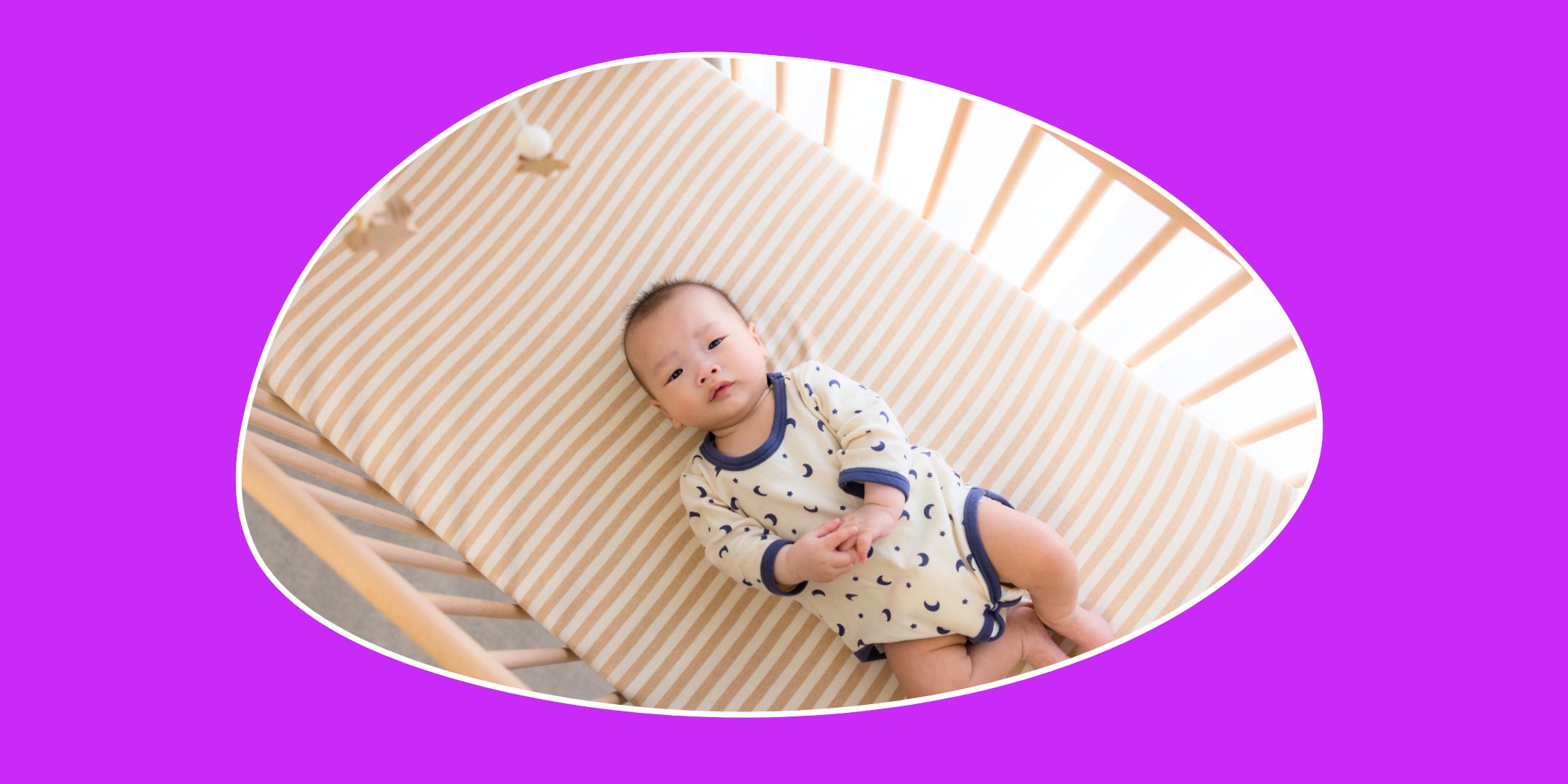
Babies who fight sleep often suffer from overtiredness rather than a lack of sleepiness. When infants stay awake past their natural sleep window, their nervous systems become overstimulated, making it harder for them to settle down. This creates a frustrating cycle where exhausted babies resist bedtime most intensely.
Parents can identify overtired babies by watching for specific signs. Rubbing eyes, yawning, decreased interest in toys, and sudden fussiness all signal that your baby has passed the ideal sleep window. Some overtired babies show the opposite pattern, becoming hyperactive or aggressive instead of drowsy. Recognizing these cues early prevents the nervous system from reaching peak overstimulation.
The solution involves establishing predictable sleep windows based on your baby's age. Newborns need sleep after just 45 minutes to two hours of wakefulness. By six months, babies can typically stay awake for two to three hours. Following these natural rhythms prevents the buildup that leads to fighting sleep.
Creating a consistent bedtime routine helps reset your baby's sleep schedule. Start winding down 30 minutes before the target sleep time with dimmed lights and quieter activities. A warm bath, gentle massage, or soft singing signals to your baby's body that sleep approaches. Keep the bedroom cool, dark, and quiet to support the transition.
If your baby is already overtired, you may need to temporarily adjust expectations. An overtired baby might take longer to fall asleep despite appearing exhausted. Staying calm during this phase helps more than forcing sleep. Some parents find that a short walk or car ride helps an overstimulated baby reset their nervous system before trying again.
Once you establish earlier, consistent sleep times, most babies begin sleeping better within three to five days. Consistency matters more than any single technique. Your baby's body learns to anticipate sleep and prepares accordingly