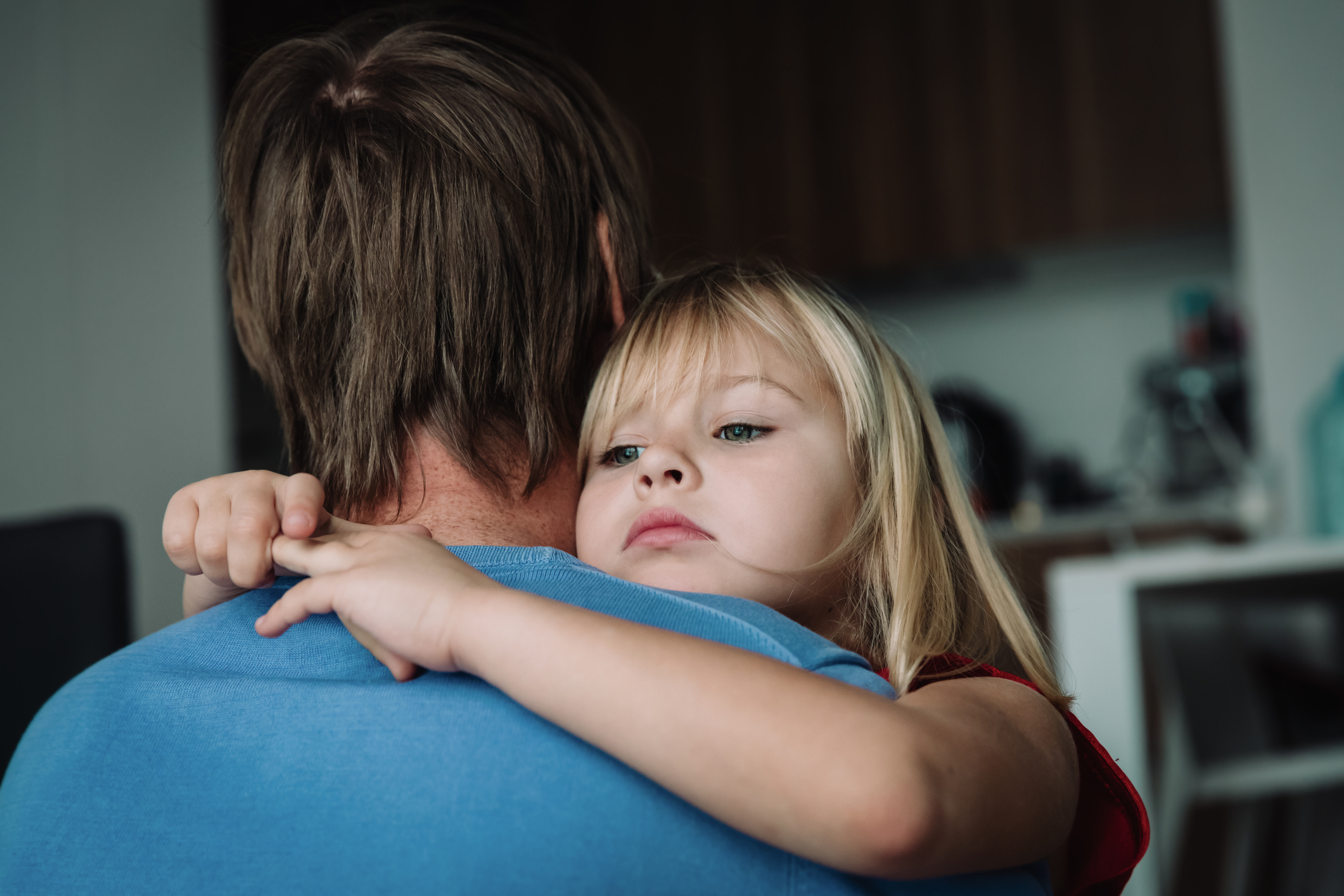
Traumatic separation from a parent leaves a lasting imprint on children's brains, even when the incident lasts only minutes. Those early panicked moments in a crowd or at a store can become some of a child's most vivid memories because of how fear affects the developing brain.
When a young child loses sight of a parent, their nervous system triggers a survival response. The child experiences genuine terror, not because of actual danger, but because the attachment figure has disappeared. This disconnect between what feels catastrophic to the child and what adults perceive as a minor incident creates the traumatic quality of the experience.
The Child Mind Institute explains that traumatic separation taps into a fundamental biological need. Infants and young children depend entirely on caregivers for survival. When that connection breaks, even temporarily, children interpret it as a threat. Their brain doesn't distinguish between a five-minute separation in a store and a prolonged abandonment.
How parents respond afterward matters enormously. Reassuring your child that you were always looking for them, validating their fear without dismissing it, and rebuilding their sense of safety helps process the experience. Rushed, dismissive reactions can deepen the traumatic impact.
Children who experience repeated or prolonged separations, especially without adequate parental explanation or reunion support, face higher risks for anxiety, attachment difficulties, and behavioral challenges later. This applies to separations from hospitalization, parental deployment, foster care transitions, or parental incarceration.
Not every separation becomes traumatic. Gradual, predictable separations with consistent reunions help children develop what psychologists call "secure attachment." Dropping a toddler at preschool regularly teaches them that Mom or Dad returns. The predictability and reunion ritual transform separation into a manageable experience.
Parents can strengthen resilience by maintaining consistent routines, saying goodbye explicitly rather than sneaking away, and greeting reunions