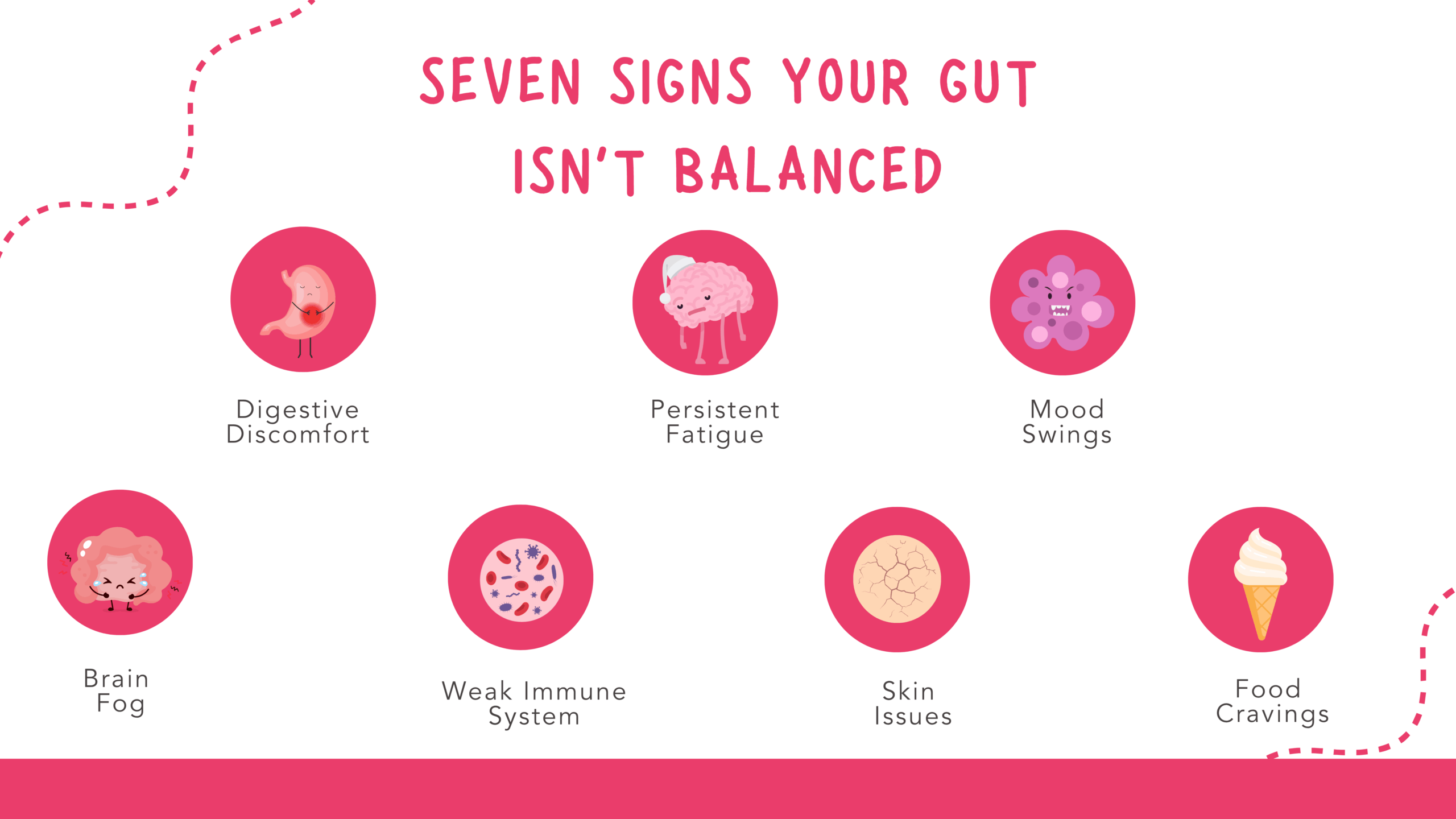
Your child's digestive health affects far more than bathroom trips. When a child's gut bacteria becomes imbalanced, symptoms ripple through the body and brain in ways parents often don't connect to digestion.
Mood swings, skin breakouts, bloating, and fatigue can all trace back to what researchers call dysbiosis, an imbalance in the gut microbiome. The gut produces serotonin and influences cortisol levels, which explains why an unhappy gut shows up as emotional volatility. Skin issues emerge because bacterial imbalance triggers inflammation throughout the body. Bloating and gas signal that beneficial bacteria aren't breaking down food properly.
Other warning signs include chronic constipation or diarrhea, food sensitivities that seem to develop suddenly, brain fog, and frequent infections. When the gut barrier weakens, harmful bacteria can slip through, triggering immune responses and susceptibility to illness.
Several factors disrupt children's gut balance. Antibiotics wipe out good bacteria along with bad ones. A diet high in processed foods, sugar, and low in fiber starves beneficial microbes. Stress, insufficient sleep, and chlorinated water all play roles. Even some probiotics sold at stores contain inactive strains.
To restore balance, focus on diversity in plant foods. Offer your child fifteen to twenty different vegetables, fruits, whole grains, and legumes weekly. Fermented foods like unsweetened yogurt, sauerkraut, and kimchi introduce live cultures. Consider a clinician-recommended probiotic with proven strains like Lactobacillus and Bifidobacterium. Reduce processed foods and added sugar. Ensure adequate sleep and manage stress.
If symptoms persist beyond two weeks or worsen, consult your pediatrician or a pediatric gastroenterologist. Some children benefit from testing like stool analysis