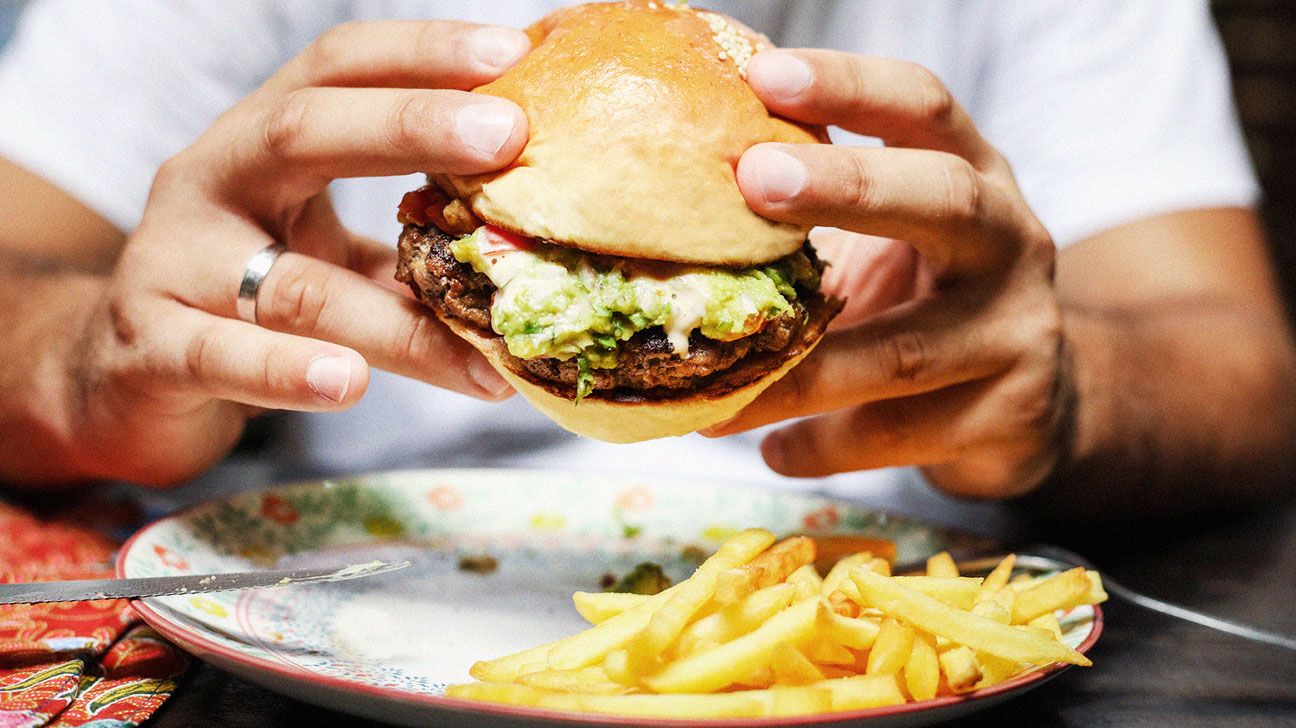
Alcohol consumption triggers cravings for ultra-processed foods, according to new research exploring the biological link between drinking and poor dietary choices.
The connection operates through multiple pathways in the brain and body. Alcohol suppresses the activity of neurons that normally signal fullness, leaving drinkers feeling hungry even after eating adequate calories. Simultaneously, alcohol lowers blood sugar and depletes B vitamins, creating genuine physiological cravings for high-calorie, high-fat foods that provide quick energy. The substance also impairs the prefrontal cortex, the brain region responsible for impulse control and decision-making, making it harder to resist junk food temptations.
For parents, this matters most as a framework for understanding teen and young adult behavior. If an older teen or college-age young adult drinks alcohol, they're not simply indulging poor judgment about snack choices. Their neurochemistry genuinely shifts toward seeking ultra-processed foods. The combination of alcohol plus junk food creates a compounding health risk, increasing calorie intake, weight gain, and long-term metabolic problems.
The research also illuminates why "just say no to junk food" fails as advice when alcohol is involved. Willpower alone cannot override the biological signals their body sends. Parents coaching young adults benefit from addressing alcohol's effects holistically rather than treating food choices as a separate behavioral problem.
Practical steps include keeping ultra-processed snacks out of easy reach when alcohol might be consumed, stocking healthier alternatives like nuts or cheese, and having straightforward conversations about how alcohol affects hunger signals and decision-making. Understanding the science removes shame from what feels like weakness and reframes it as predictable biology.
For families where alcohol consumption is a consideration, this research underscores the compounded health impact of mixing drinking with poor nutrition. Knowledge about these connections helps parents and young adults make more intentional choices together