# LED Face Masks: What Dermatologists Say About At-Home Skin Technology
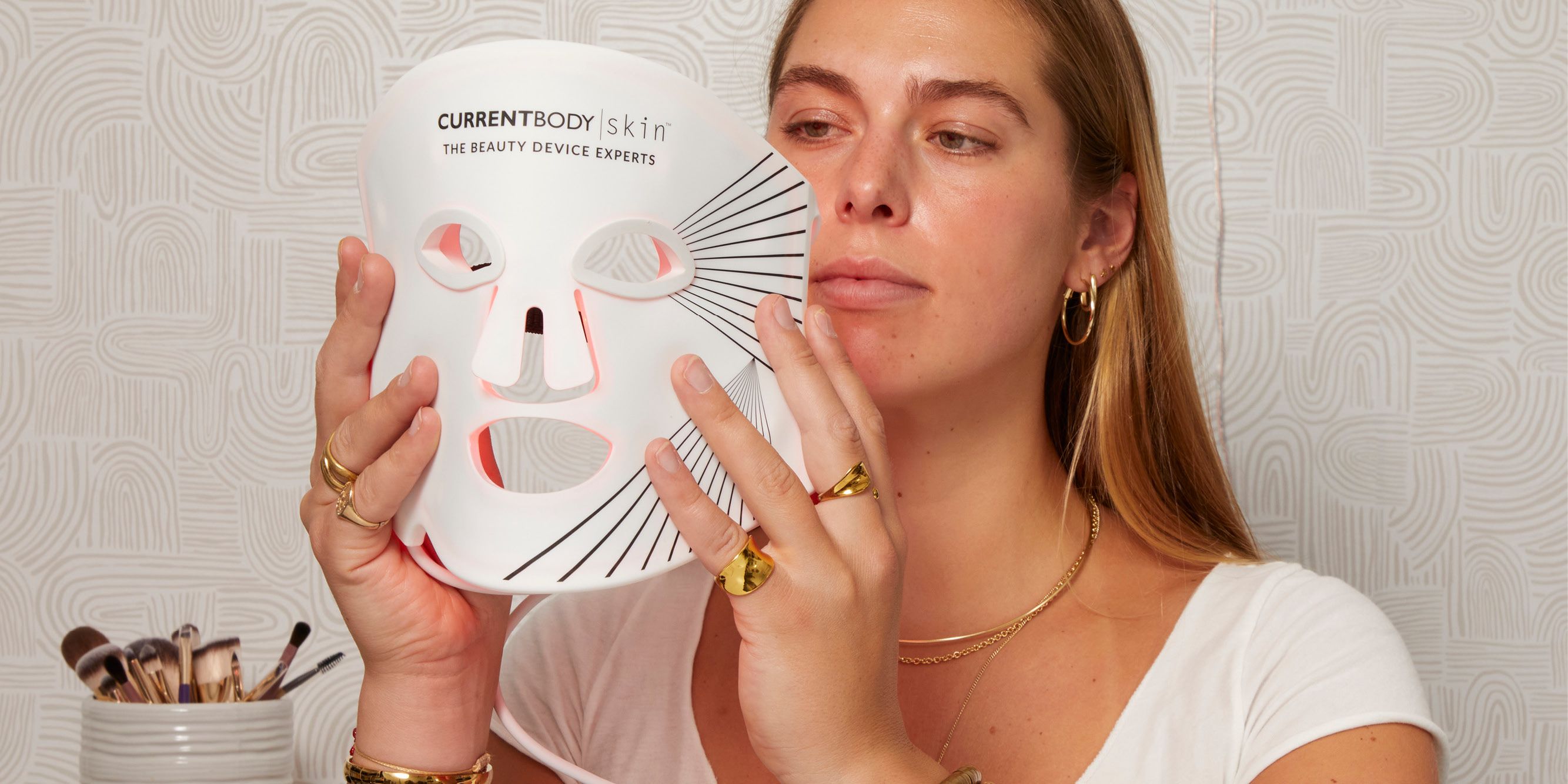
LED face masks have moved from luxury spa treatments into home skincare routines. Dermatologists and beauty editors tested leading options, including devices from Therabody, Omnilux, and CurrentBody, to separate effective technology from marketing hype.
Light-emitting diode masks use specific wavelengths of light to address skin concerns. Red light, around 630 nanometers, stimulates collagen production and reduces inflammation. Blue light targets acne-causing bacteria. Near-infrared light penetrates deeper to support skin healing. These wavelengths have research backing in dermatological literature, though results vary by individual.
The tested masks represent different price points and features. Premium options offer multiple light wavelengths in single devices, while budget-friendly versions focus on one or two colors. Battery life, treatment duration, and fit quality differ across brands. Some devices pair with apps to track usage patterns.
Dermatologists note realistic timelines for results. Most studies show visible improvements in skin texture and tone after consistent use over 8 to 12 weeks. Users typically spend 10 to 20 minutes per session, three to five times weekly. Consistency matters more than occasional use.
Safety considerations exist. LED masks are generally low-risk, but people taking photosensitizing medications should consult their dermatologist first. The FDA classifies most consumer masks as wellness devices rather than medical treatments, meaning claims about acne or anti-aging require scrutiny.
Beauty editors highlighted comfort and ease of use as overlooked factors. A mask that feels awkward or heavy gets abandoned. Weight distribution, strap adjustability, and visibility during treatment affect real-world compliance.
LED face masks offer dermatologist-backed technology at home without invasive procedures or expensive professional treatments. They