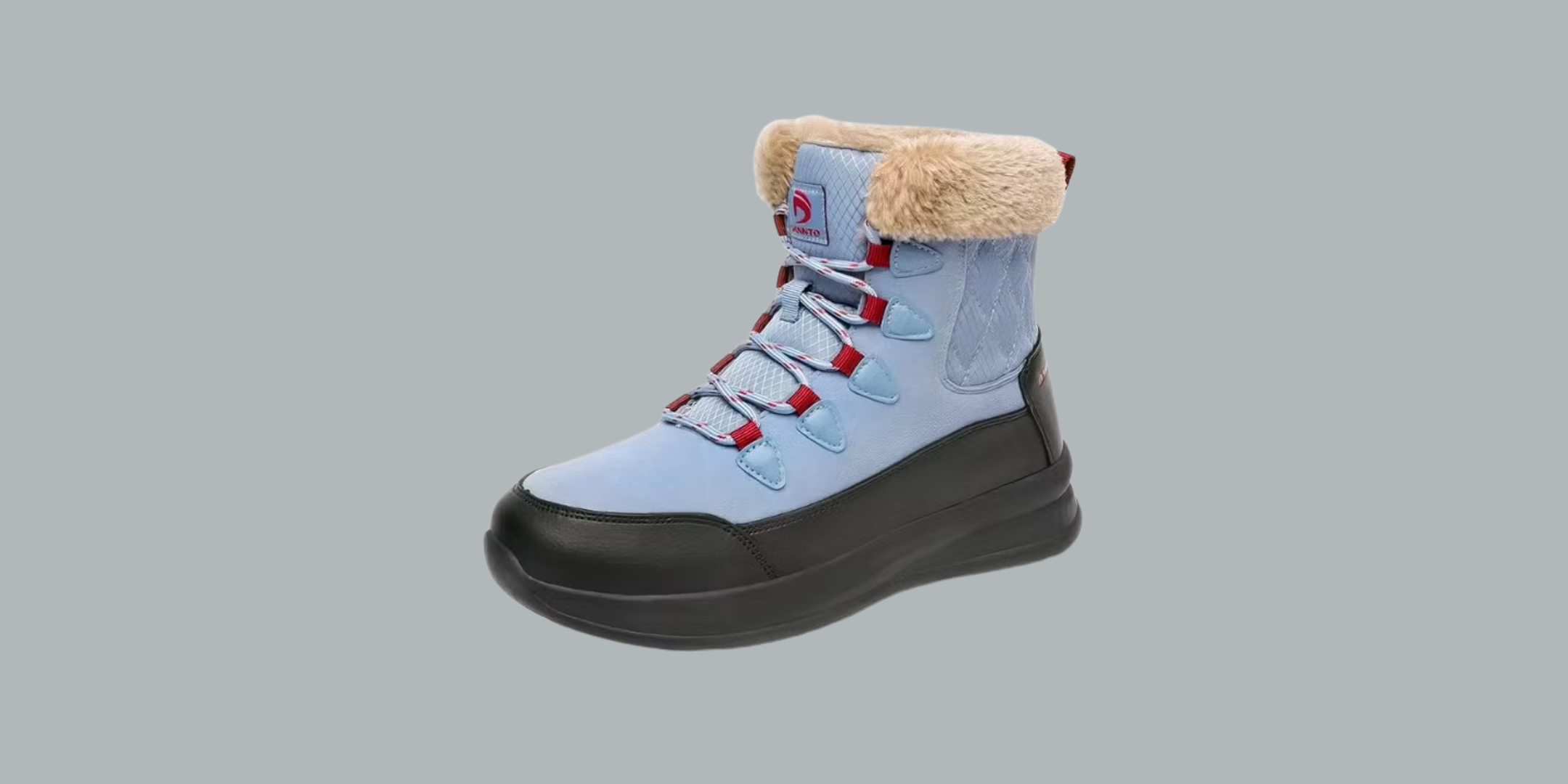
Winter pregnancy brings physical challenges that regular footwear won't solve. Growing belly weight shifts your center of gravity forward, straining your feet and lower back. Swollen ankles and reduced mobility make staying steady on icy surfaces harder. The right winter boots protect both you and your baby.
Look for boots with ankle support and cushioned insoles. Arch support matters more during pregnancy because hormonal changes loosen ligaments in your feet. This natural softening, called relaxin, can flatten your arches and cause pain. Brands like Sorel and L.L.Bean offer insulated styles with reinforced heels and shock-absorbing soles.
Waterproof uppers keep feet dry, which prevents slipping hazards. Textured outsoles grip ice better than smooth rubber. Look for boots marked "winter-rated" with traction ratings.
Swelling affects fit unpredictably. Some pregnant people size up half to a full size. Shop for boots in the afternoon when feet are most swollen, and bring thick socks you'll actually wear. Adjustable lacing or closures accommodate day-to-day changes better than slip-on styles.
Easy on-and-off matters too. Bending down to tie laces becomes genuinely difficult in late pregnancy. Side-zip boots or elastic goring (stretchy panels on the sides) let you get dressed without straining your belly.
Weight counts as pregnancy progresses. Lighter boots reduce fatigue on your feet and legs, which already bear extra load. Insulated options with synthetic linings weigh less than traditional fur-lined boots while keeping your toes just as warm.
Pay attention to heel height. Low, wide heels (less than one inch) offer stability without tipping your already-shifting balance forward. Completely flat boots can strain calves, while high heels throw your pos