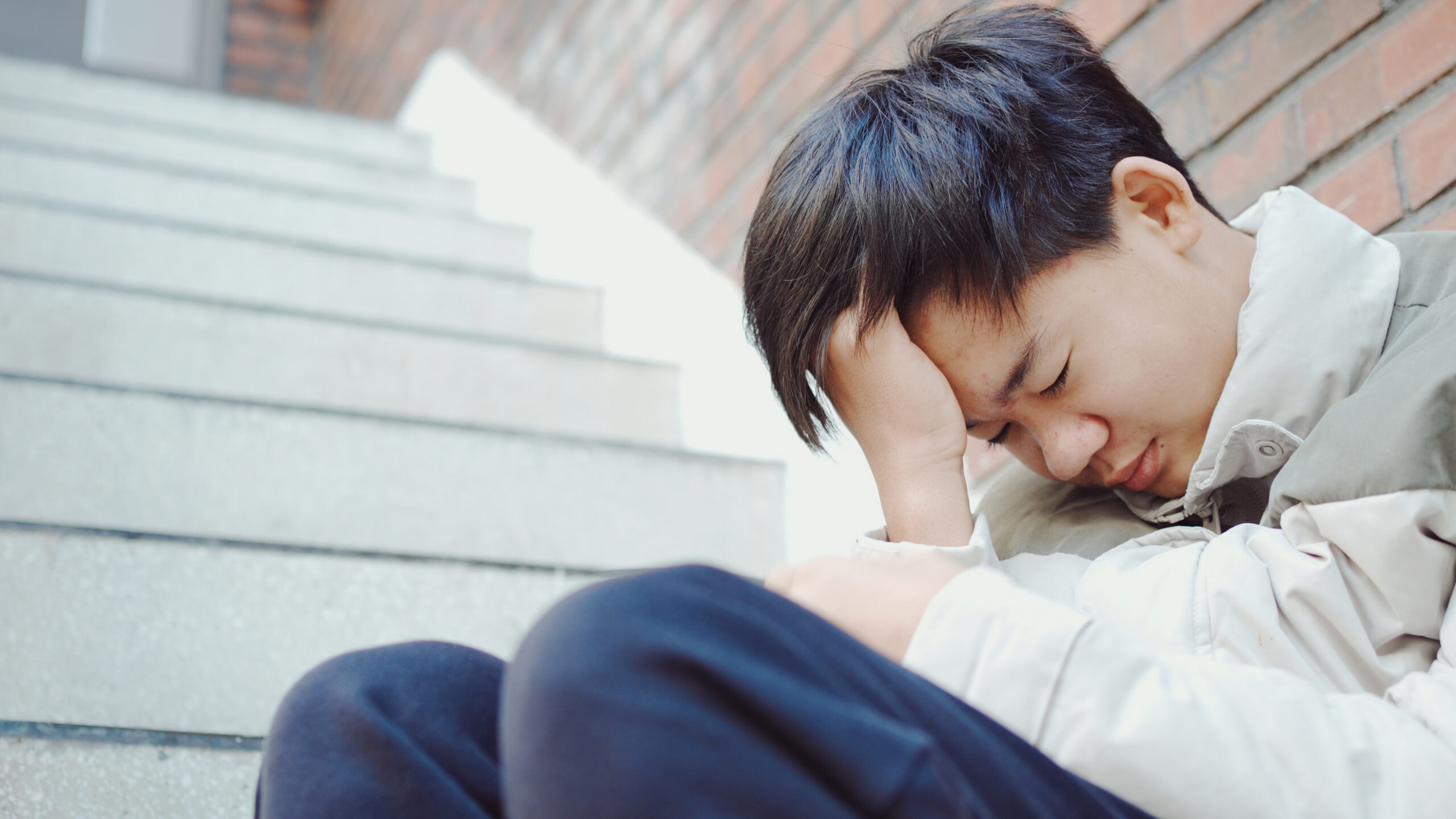
Hearing "I hate myself" from your child feels alarming, but context matters. Child Mind Institute distinguishes between normal frustration and genuine self-hatred in kids and teens.
Temporary self-criticism happens. Your teenager bombs a test or stumbles through an awkward conversation and declares self-loathing in the moment. This reflects disappointment, not a deeper problem. Kids this age experience intense emotions and catastrophize naturally. They recover quickly once the shame fades.
Self-hatred becomes concerning when it persists. Watch for patterns where your child consistently describes themselves in harsh, dehumanizing language. They might refuse to participate in activities they once enjoyed, withdraw from friendships, or express that others would be better off without them. This goes beyond venting frustration after a setback.
Several factors fuel persistent self-hatred in young people. Depression and anxiety amplify critical self-talk. Kids who experience bullying internalize cruel messages from peers. Those with perfectionist tendencies torture themselves over perceived failures. Trauma, abuse, or chronic stress can create deep shame that shapes how children view themselves.
Self-hatred also connects to body image struggles, especially during adolescence. Teens comparing themselves endlessly to social media filters develop harsh inner critics. Kids struggling with their identity, sexuality, or cultural belonging may direct anger inward rather than outward.
Parents often wonder when to step in. If self-critical comments feel occasional and your child bounces back emotionally, normalize their feelings without reinforcing the negativity. Validate the disappointment without agreeing with their harsh judgment. Say something like, "That test was hard. You're disappointed. That doesn't make you a failure."
When self-hatred runs deeper, professional help becomes necessary. A therapist can identify underlying depression, anxiety, or trauma. They teach kids to recognize distorted thinking patterns and develop realistic self-compassion. Cognitive behavioral