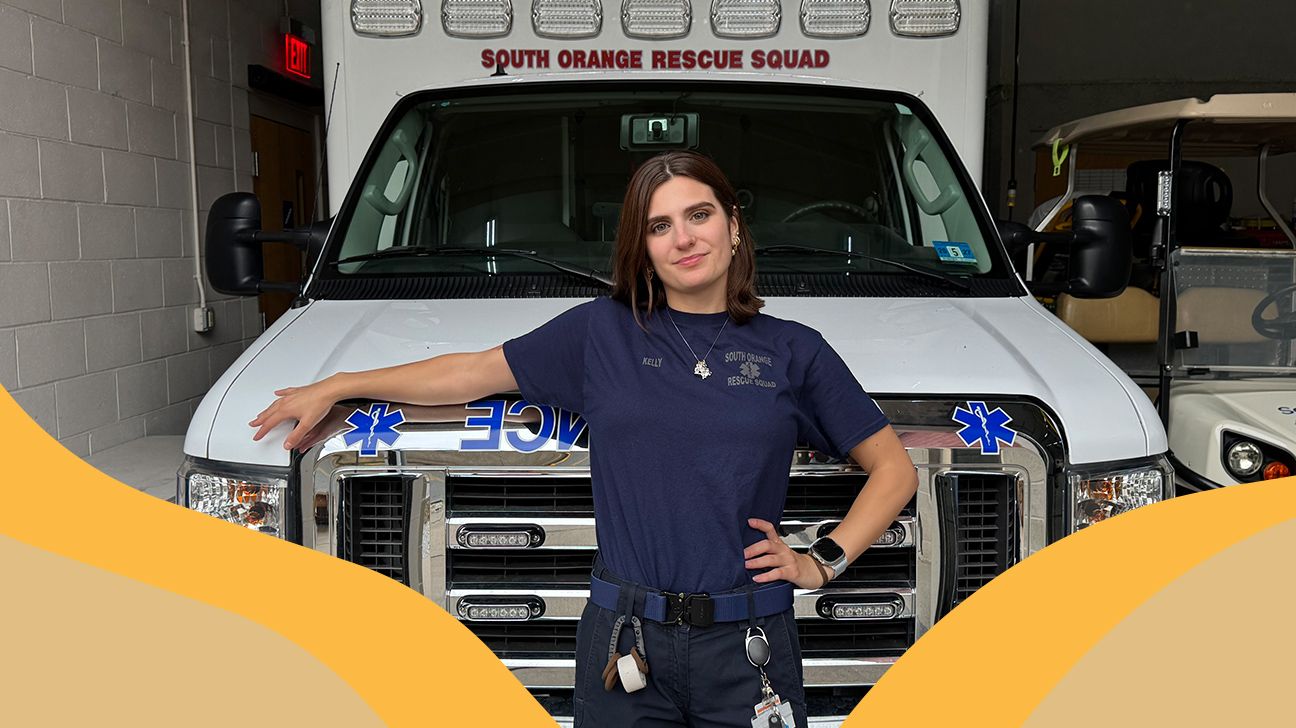
Simone Kelly, a 24-year-old volunteer EMT, became an unexpected voice in the opioid crisis after a viral video captured her reviving a man with Narcan at a New York Knicks parade. In an interview, Kelly shared her perspective on addiction treatment and public response to overdoses.
Kelly used naloxone, the medication brand-named Narcan, to reverse an opioid overdose in real time. The moment struck a chord with viewers online because it showed emergency care in action. Rather than shy away from the spotlight, Kelly used her platform to advocate for treating addiction as a medical issue deserving compassion.
Her core message centers on active witnessing. Kelly urges bystanders to intervene when they encounter someone experiencing an overdose. Many people hesitate during emergencies from fear or stigma around drug use. Kelly directly counters this hesitation. She emphasizes that calling 911 and administering Narcan can save a life before paramedics arrive.
Narcan works rapidly to block opioid receptors in the brain, reversing respiratory depression within 2 to 3 minutes. It carries no abuse potential and presents minimal risk when administered to someone experiencing an overdose. Public health agencies increasingly distribute Narcan to community members, first responders, and family members of people with opioid use disorder.
Kelly's viral moment reflects a broader shift in how emergency medicine approaches addiction. Rather than viewing overdoses as consequences of personal failure, modern EMT training treats them as medical emergencies requiring immediate intervention. Kelly's advocacy aligns with harm reduction strategies endorsed by the American Medical Association and the Centers for Disease Control and Prevention.
For parents, Kelly's story carries practical weight. If your teenager or family member uses opioids, keeping Narcan accessible at home costs little and saves lives. Kelly demonstrates that bystander intervention works. Her