# GLP-1 Drugs Show Heart and Stroke Protection in New Research
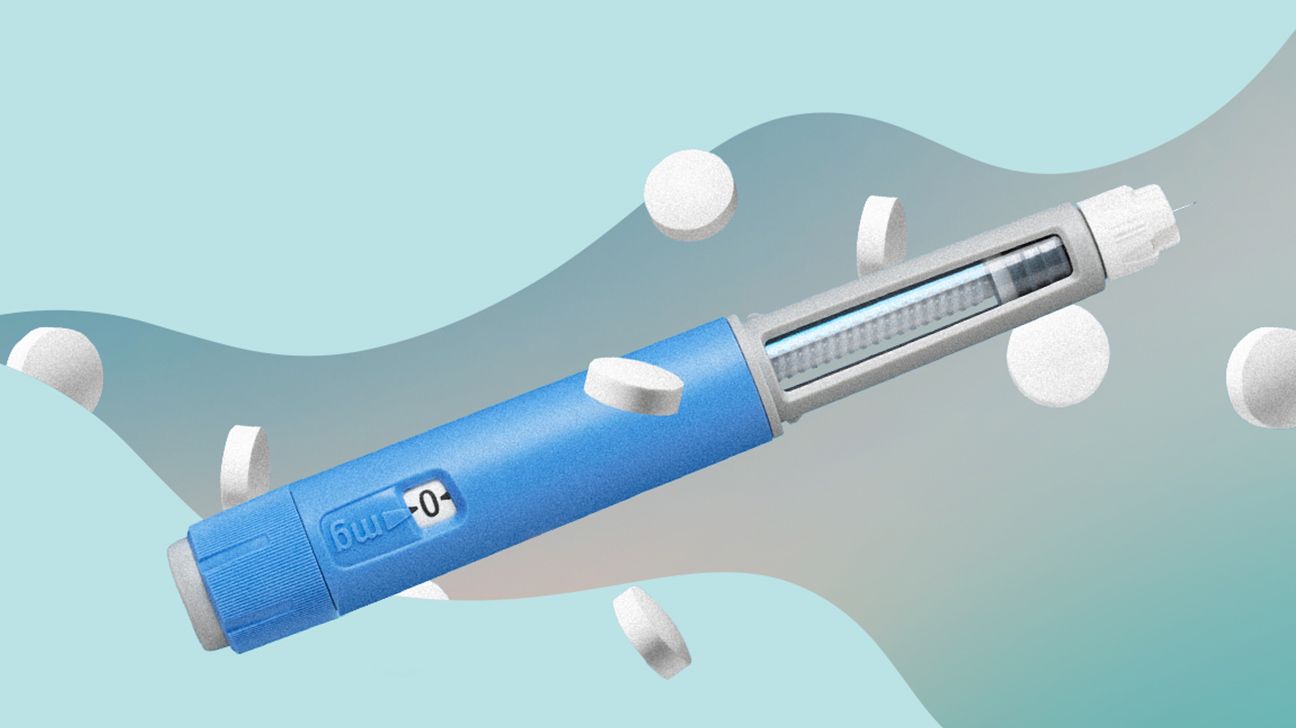
Medications like Ozempic and Mounjaro reduce stroke and heart attack risk beyond their weight loss benefits, according to new research. These GLP-1 receptor agonists work by mimicking a hormone that regulates blood sugar and appetite, but doctors now understand they protect the cardiovascular system in ways unrelated to weight alone.
The findings matter for families managing type 2 diabetes or obesity. If your child or teenager faces metabolic disease risk, these medications offer documented heart protection. The drugs lower blood pressure, reduce inflammation in blood vessels, and improve cholesterol profiles. Some research shows they decrease cardiovascular events by up to 26 percent in high-risk patients.
GLP-1s like semaglutide (Ozempic), tirzepatide (Mounjaro), and liraglutide (Saxenda) received expanded use in pediatric populations in recent years. The American Academy of Pediatrics acknowledges their role for adolescents with severe obesity and related conditions. However, these remain prescription medications requiring careful monitoring.
Parents considering GLP-1s for their children should know the realistic picture. Weight loss typically ranges from 10 to 22 percent of body weight over one year. The cardiovascular protection appears genuine and durable. Common side effects include nausea, vomiting, and gastrointestinal discomfort, particularly when starting treatment.
The medication works best combined with lifestyle changes, not replacing them. Your family still needs regular physical activity, nutritious eating, and sleep consistency. If your child has type 2 diabetes or obesity with cardiovascular risk factors, talk with their pediatrician about whether a GLP-1 fits their specific situation.
These drugs represent genuine progress for young people facing serious metabolic disease. The heart