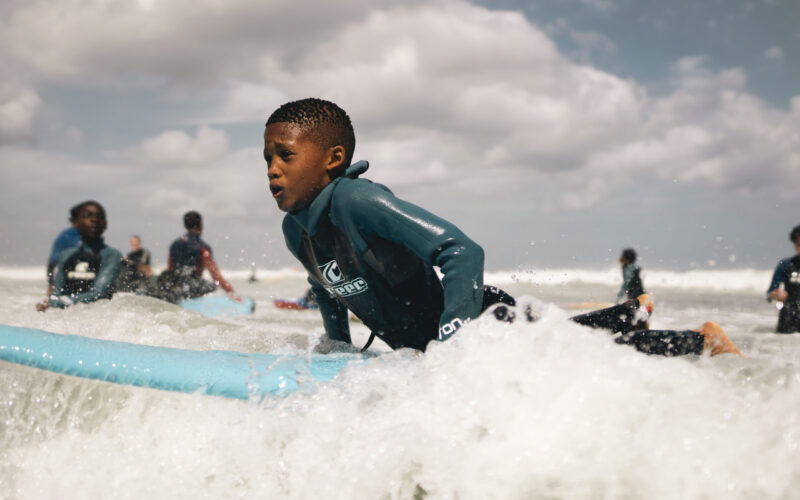
Surf therapy is emerging as an effective low-intensity mental health intervention for young people worldwide. The Stavros Niarchos Foundation Global Center for Child and Adolescent Mental Health at the Child Mind Institute has partnered with Waves for Change to study how ocean-based activities build resilience and reduce anxiety in adolescents.
Unlike traditional talk therapy, surf therapy combines physical activity, nature exposure, and community connection. Young people learn to surf while building confidence in a supportive group setting. The rhythm of the waves, the focus required to balance on a board, and the achievement of mastering a new skill all contribute to mental wellness gains.
Research shows that water-based therapies lower cortisol levels and reduce symptoms of depression and anxiety in teens. Surf therapy programs run in communities from South Africa to Indonesia to California, reaching youth who might not access conventional mental health services. The approach works particularly well for adolescents who resist sitting in a therapist's office or come from under-resourced areas where mental health providers are scarce.
What makes surf therapy different is its accessibility. You don't need to be athletic or have prior experience. The ocean becomes a classroom where kids process emotions while their brains are engaged in learning something concrete. A teenager struggling with self-esteem gains tangible proof of progress each time they catch a wave.
The Child Mind Institute research validates what communities have observed for years. Surf therapy reduces isolation by building peer relationships in a judgment-free environment. It addresses both physical and mental health simultaneously. For families looking for alternatives to screen-based activities or traditional counseling, surfing offers a genuine outlet that feels less clinical and more like being part of something bigger.
Parents in coastal areas might explore local surf therapy programs through schools, community centers, or nonprofits. Even teens who don't live near waves benefit from understanding this model. Water sports, trail running, rock climbing, and