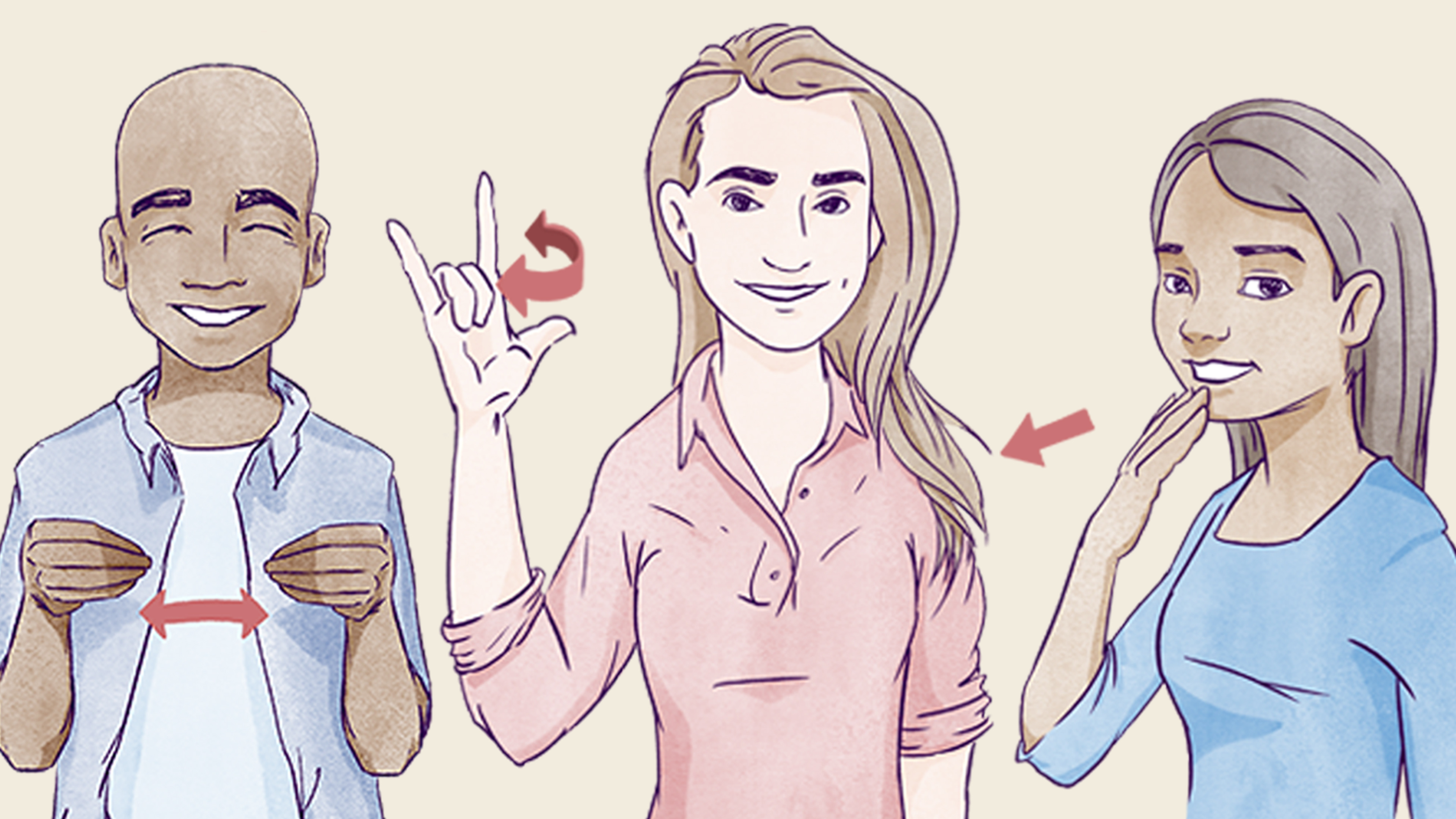
Baby sign language gives infants a way to communicate months before they speak their first words. Babies as young as 6 months old can learn and use simple signs to express needs, reducing frustration for both parent and child.
The research supports this approach. Studies from the University of California, Davis found that babies who learn sign language alongside spoken language develop stronger overall communication skills. Babies typically produce their first signs between 8 and 12 months, earlier than spoken words usually emerge around 12 to 18 months.
Common starter signs include "more," "all done," "milk," "eat," and "please." These focus on everyday routines and feeding, when babies are most motivated to communicate. Parents repeat the sign while saying the word aloud, pairing the gesture with the action. Consistency matters. Use the same sign the same way each time.
The process works because sign language engages motor skills babies already have. Pointing, waving, and hand movements come naturally before tongue control develops for speech. This makes signing an accessible bridge to language.
Beyond communication, baby sign language offers real benefits. Babies experience fewer tantrums when they can express "more juice" or "all done" with their hands instead of screaming. Parents report reduced stress when understanding their baby's needs improves.
Mama Natural provides a visual cheat sheet with the top 20 baby signs, offering step-by-step guides for each gesture. Start with just 2 or 3 signs and add more as your baby masters them. Practice during daily routines like meals and diaper changes, when the sign becomes naturally connected to the action.
This approach doesn't delay speech. Children exposed to sign language alongside spoken language typically speak on schedule or earlier. The two systems reinforce each other. Your baby learns that communication happens through multiple channels, building stronger language foundations overall.