# Building Muscle After 50: Three Evidence-Based Training Strategies
Muscle loss accelerates after age 50, with adults losing 3 to 8 percent of muscle mass per decade. The good news: strength training works just as effectively in older adults as it does in younger people. Three specific strategies help maximize muscle gains for those 50 and beyond.
First, prioritize progressive overload. This means gradually increasing weight, reps, or sets over time. Older adults gain muscle through the same mechanisms as younger exercisers, but progression happens more slowly. Adding even 2.5 pounds to a lift or completing one extra rep per week creates the stimulus needed for growth.
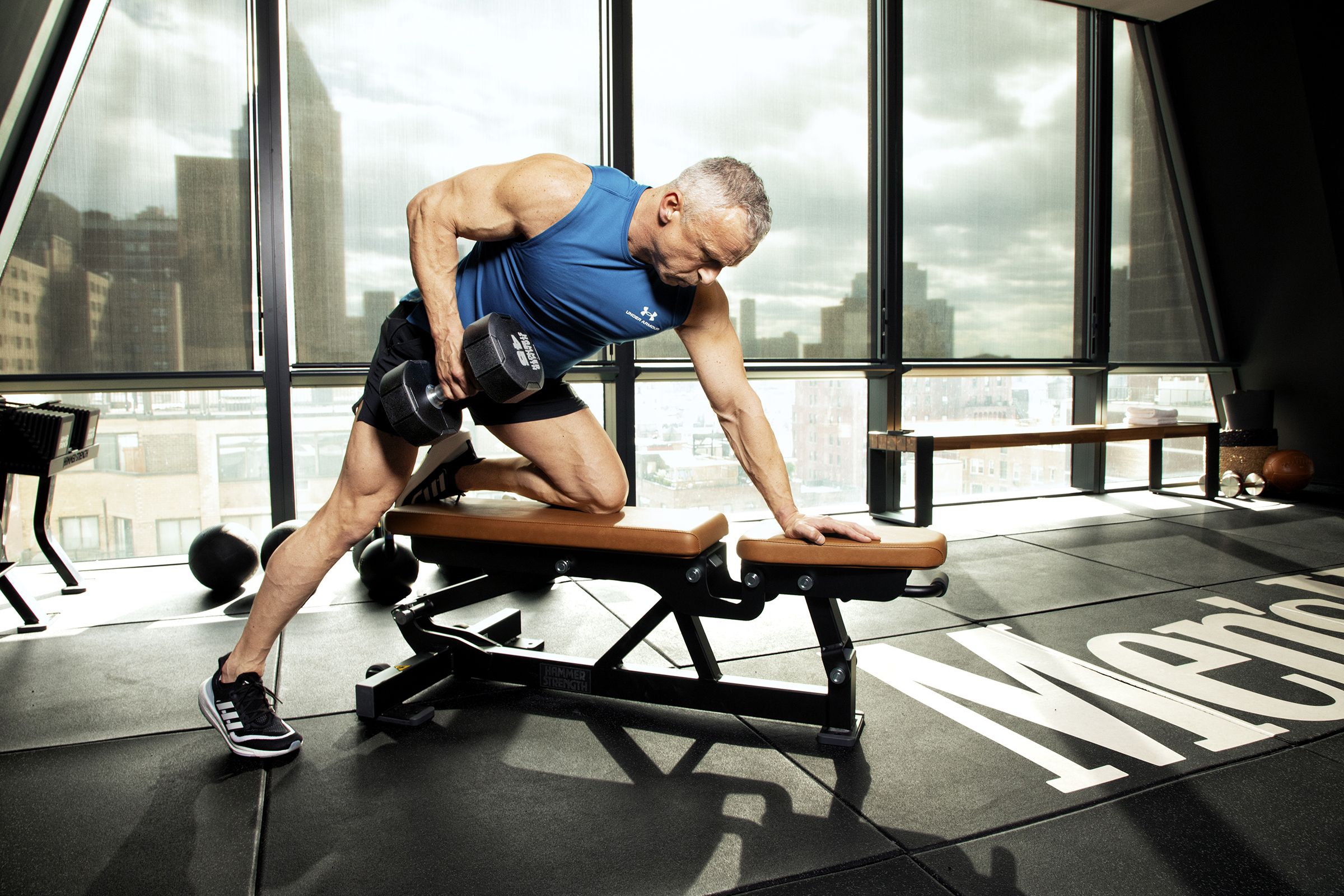
Second, focus on compound movements. Exercises like squats, deadlifts, bench presses, and rows work multiple muscle groups simultaneously. These movements generate greater hormonal responses and recruit more muscle fibers than isolation exercises. Research published in the Journal of Applied Physiology shows compound lifts produce superior strength and muscle gains across all age groups.
Third, allow adequate recovery. Muscle protein synthesis, the process that builds new muscle tissue, peaks 24 to 48 hours after exercise. Adults over 50 benefit from longer rest periods between intense sessions. Training three times weekly with at least one rest day between workouts supports both muscle growth and injury prevention.
Consistency matters more than intensity at this life stage. Starting with lighter weights and mastering form prevents injury, which derails progress faster than anything else. Partnering with a strength coach for initial setup ensures proper technique on compound lifts.
Nutrition supports muscle building too. Adults over 50 need 1.0 to 1.2 grams of protein per kilogram of body weight daily to maximize muscle protein synthesis. Combined with resistance training, adequate protein intake transforms what feels like a biological ceiling into an achievable goal.