# Trying to Conceive: Evidence-Based Steps to Boost Your Chances
Couples trying to conceive often face confusion about timing, lifestyle changes, and when to seek help. The fundamentals remain rooted in biology and health optimization.
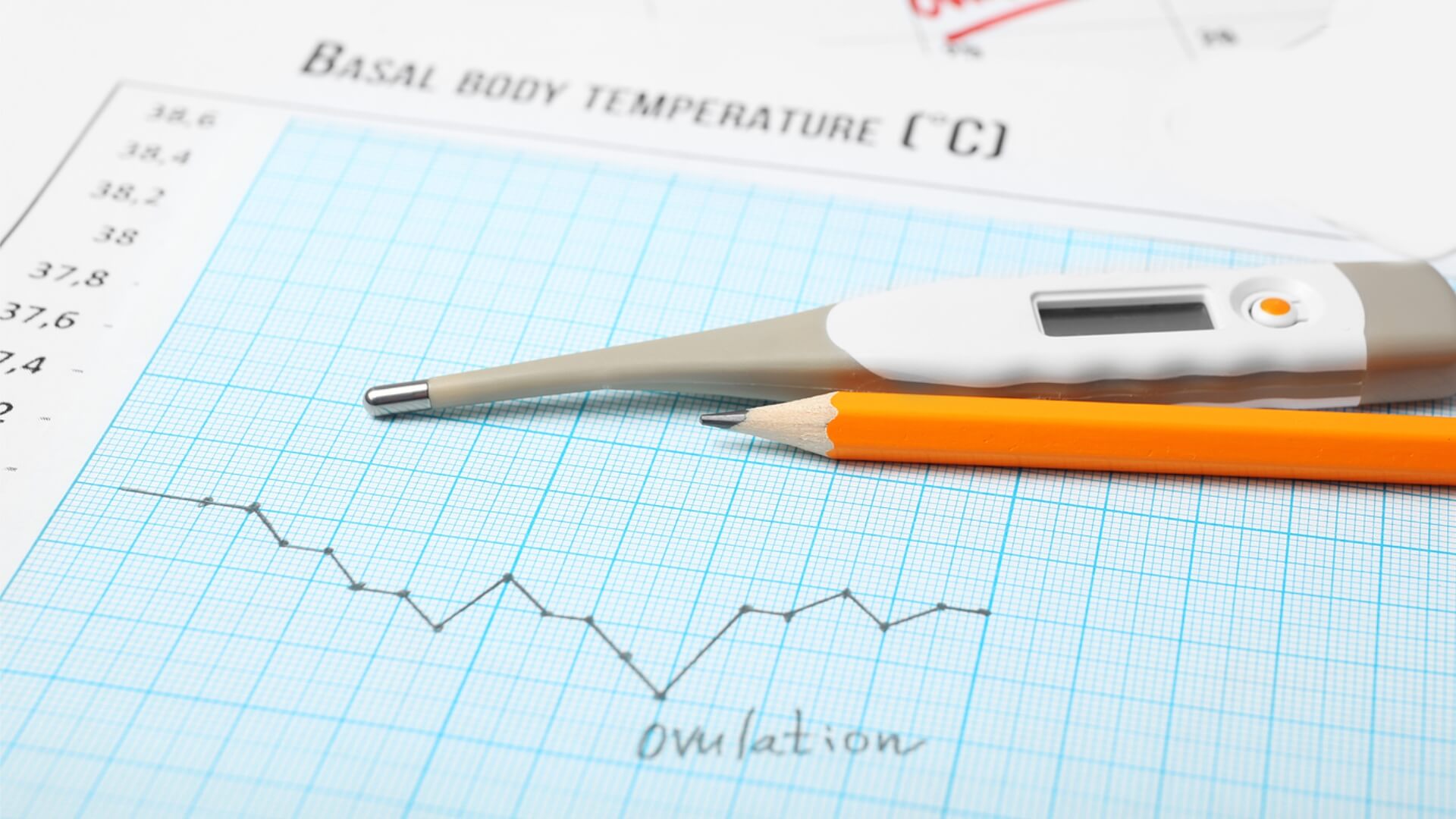
Timing matters. Conception happens during the fertile window, which spans five days before ovulation and the day of ovulation itself. Tracking ovulation through methods like basal body temperature charting, cervical mucus observation, or ovulation predictor kits helps pinpoint this window. The American College of Obstetricians and Gynecologists recommends having sex every two to three days throughout the cycle, which removes pressure around perfect timing.
Lifestyle shifts boost fertility outcomes. Both partners benefit from maintaining a healthy weight, as obesity and being underweight affect hormone balance and egg and sperm quality. Regular exercise improves cardiovascular health and reduces stress, both linked to better fertility. A diet rich in whole grains, lean proteins, fruits, and vegetables supports reproductive function. Research published in the journal *Human Reproduction* shows that couples who adopt Mediterranean-style eating patterns experience improved fertility outcomes.
Supplement wisely. Prenatal vitamins with folic acid reduce birth defects and support egg quality. Men benefit from supplements like CoQ10 and vitamin C, which research suggests may improve sperm motility and morphology. Discuss any supplements with a doctor first.
Track your cycle. Apps like Clue or Fertility Friend help identify patterns and predict ovulation. Understanding your cycle length and ovulation date removes guesswork from conception attempts.
Reduce stress where possible. The relationship between stress hormones and fertility remains complex, but managing stress through yoga, meditation, or therapy supports overall wellness. Avoid smoking, limit alcohol, and moderate caffeine intake.
Know when to seek professional help. If you're under 35 and have