# Your Gut Health Affects Your Whole Family
Your child's digestive system influences far more than bathroom habits. An imbalanced gut microbiome—the community of bacteria living in the digestive tract—can trigger mood swings, skin problems, bloating, and general malaise that parents often struggle to identify.
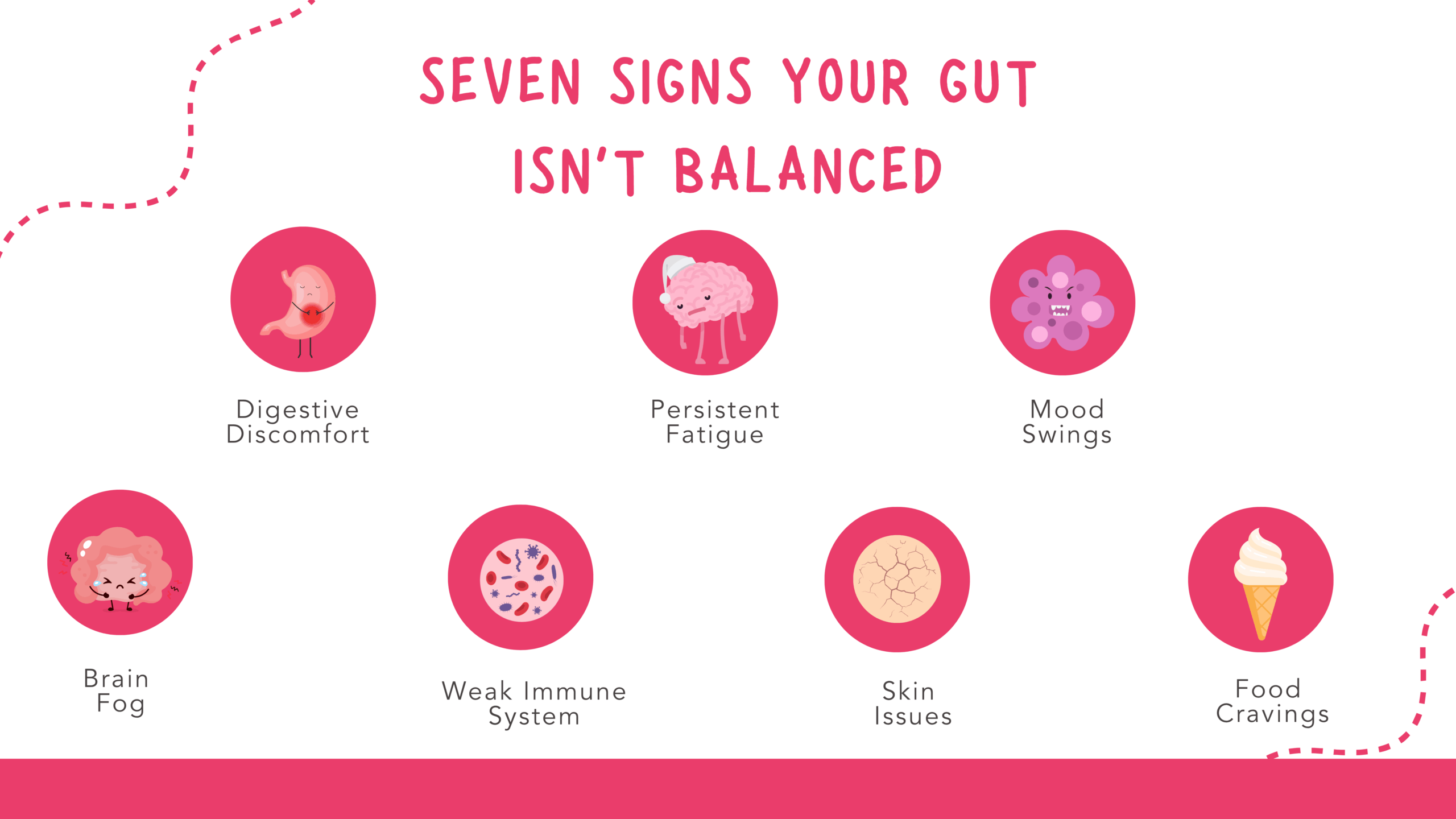
Mama Natural outlines seven warning signs that your child's gut needs attention. These include digestive discomfort like constipation or diarrhea, unexplained skin issues like eczema or acne, mood changes, brain fog, persistent fatigue, sugar cravings, and frequent infections.
The connection runs deep. Research from institutions like the University of North Carolina shows that gut bacteria produce neurotransmitters including serotonin and GABA, which regulate mood and anxiety. When bacterial balance shifts—from antibiotics, processed foods, stress, or insufficient fiber—these chemical messengers suffer.
Parents often notice symptoms first in their kids. A child who suddenly seems irritable, struggles in school, develops mysterious rashes, or catches every cold circulating the classroom may have gut dysbiosis. Even picky eating patterns can signal an imbalanced microbiome craving specific foods.
Rebuilding gut health starts with diet. Fermented foods like yogurt, kefir, sauerkraut, and kimchi introduce beneficial bacteria. Prebiotic foods like bananas, oats, garlic, and onions feed good bacteria. Processed foods, excess sugar, and artificial additives feed harmful microbes instead.
Reducing unnecessary antibiotics matters too. While antibiotics save lives when truly needed, overuse devastates the bacterial ecosystem. If your child needs antibiotics, consider a quality probiotic supplement afterward to rebuild colonies.
Sleep, stress management, and outdoor time exposure to diverse bacteria also support healthy guts. Children who