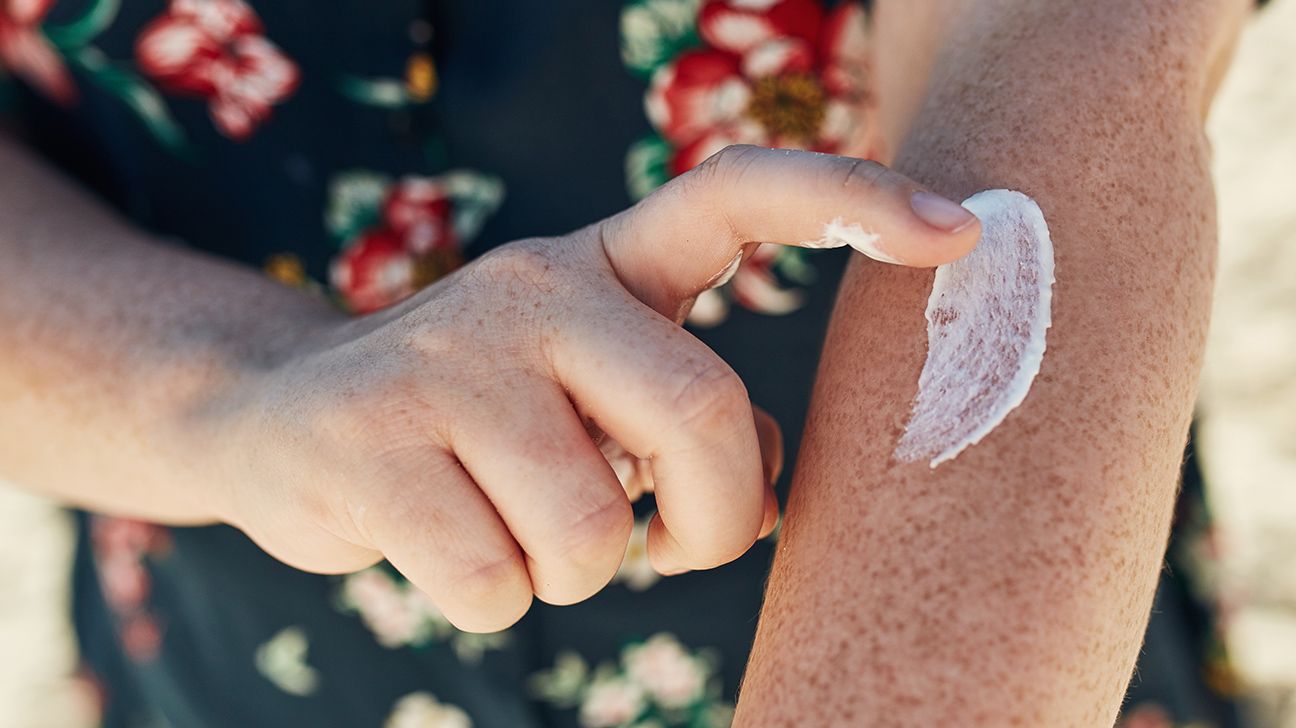
The FDA just approved bemotrizinol, a new sunscreen ingredient that European and Asian consumers have used safely for years. This approval expands the arsenal of sun protection options available to American families.
Bemotrizinol blocks both UVA and UVB rays, making it a broad-spectrum option. It joins other newer sunscreen actives like avobenzone and octocrylene on shelves nationwide. The ingredient has a long safety track record overseas, where regulatory agencies cleared it after extensive testing.
The timing matters. American dermatologists consistently warn that many families skip sunscreen altogether or apply too little. The American Academy of Dermatology recommends SPF 30 or higher for daily use. Adding more ingredient choices gives parents better options when shopping for their kids' sun protection.
Bemotrizinol works differently than some traditional sunscreens. While chemical sunscreens like oxybenzone absorb UV rays and convert them to heat, bemotrizinol reflects and absorbs rays using a hybrid mechanism. Parents concerned about ingredient lists now have another tool when comparing products.
The approval comes as dermatologists push back against sunscreen myths. Some parents worry that sunscreen prevents vitamin D production or contains dangerous chemicals. Research published in dermatology journals shows that sunscreen use poses far lower risk than sun damage, which causes melanoma and other skin cancers in children and adults alike.
For families, this means more sunscreen formulas will likely hit drugstore shelves in the coming months. Products containing bemotrizinol should list it clearly on the label. Parents selecting sunscreen for kids should still follow basics: apply generously 15 minutes before sun exposure, reapply every two hours, and use SPF 30 or higher.
The ingredient's approval also signals the FDA's willingness to evaluate sunscreen actives that have proven safe elsewhere