# How Ultra-Processed Foods Are Made Matters as Much as What's in Them
New research reveals that the manufacturing process for ultra-processed foods affects your child's health just as much as the ingredient list does. Scientists now recognize that how food companies transform raw materials into packaged products creates health risks that go beyond simple nutrition labels.
The way manufacturers process foods changes their structure and chemical composition in ways that damage children's digestion and metabolism. High-heat treatments, chemical additives, and industrial techniques break down fiber and alter proteins, making these foods easier to absorb too quickly. This rapid digestion spikes blood sugar and triggers inflammation in developing bodies.
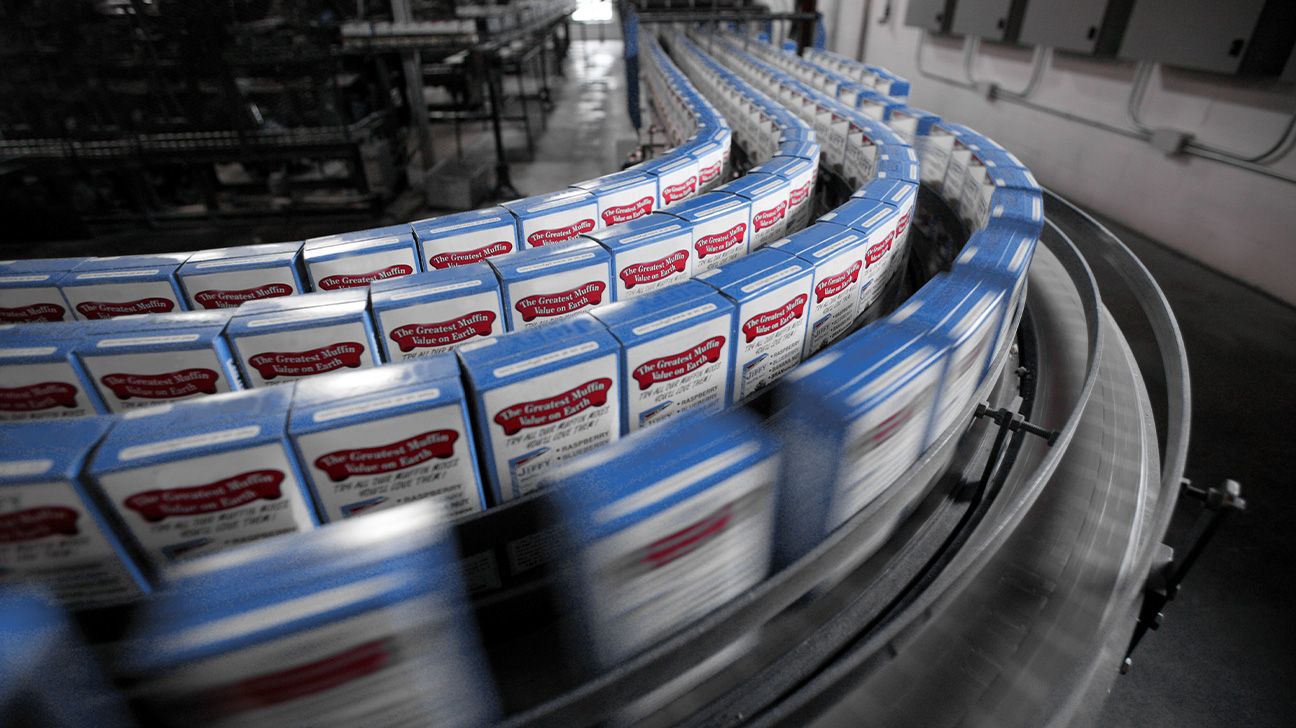
"The processing itself creates problems," explains research from Healthline's analysis. When companies use industrial methods like extrusion, hydrogenation, and chemical preservation, they fundamentally change how a child's body responds to food. A cake mix processed through factory lines undergoes transformations that a homemade cake does not, even if both contain similar base ingredients.
Parents often focus on reading ingredient lists, but the manufacturing technique matters equally. Two products with nearly identical nutrition facts can affect children differently based on how they were made. Ultra-processed foods lose structural integrity during manufacturing, which means children's bodies absorb them differently than whole foods.
The research challenges parents to look beyond labels. Check not just what's listed but where products come from. Foods made through minimal processing, shorter ingredient chains, and gentler manufacturing methods protect children's growing systems better than foods stripped down and rebuilt in factories.
For families trying to reduce ultra-processed foods, prioritize items made through traditional methods. Whole grains ground simply, fruits and vegetables with minimal treatment, and foods made without industrial transformation offer better protection for your child's long-term health. The source and method of production matter as much as counting calories or grams of sugar.