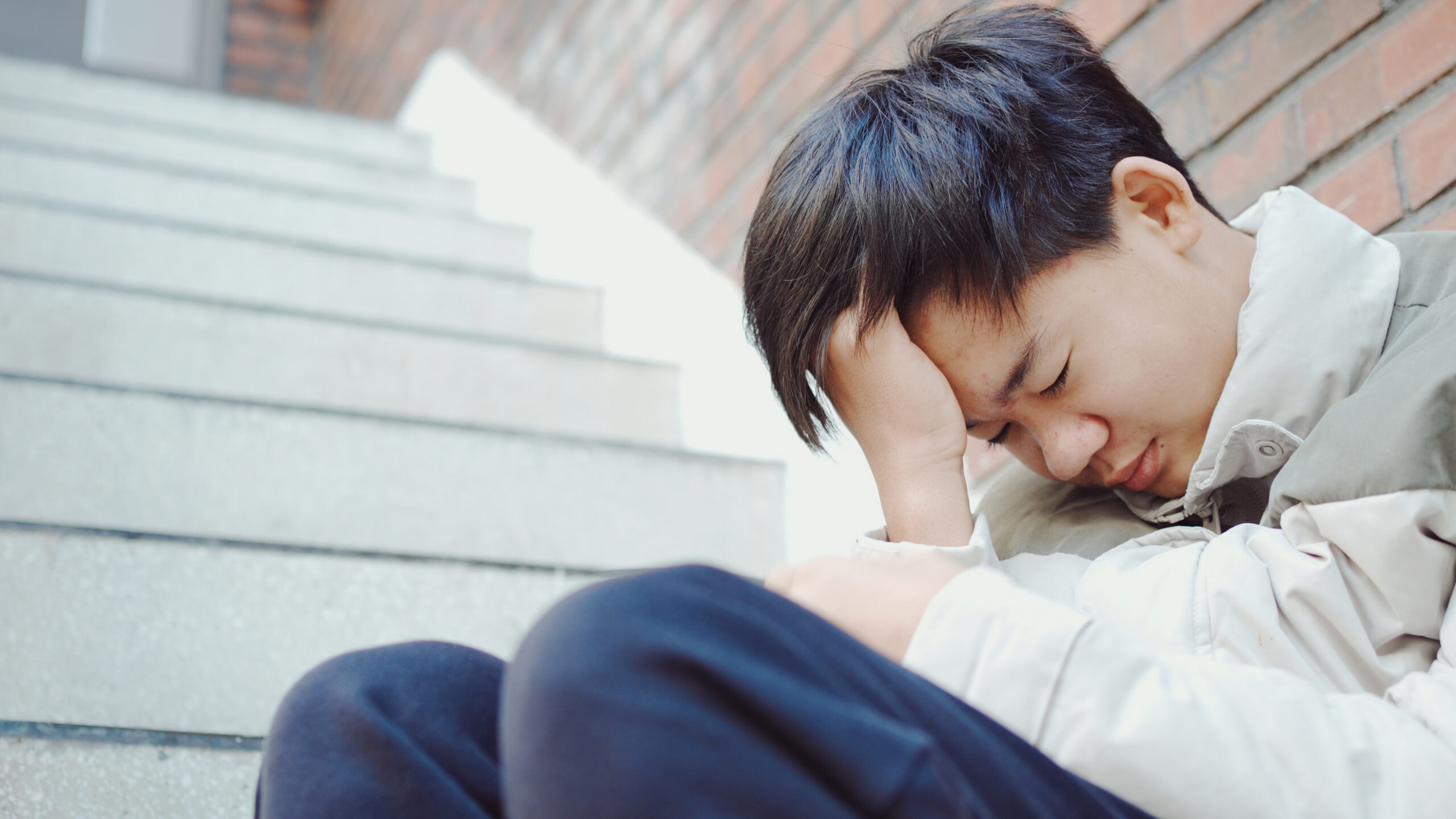
Self-hatred goes far beyond the typical disappointment kids feel after a bad test or awkward social moment. While temporary self-criticism is normal, persistent self-hatred represents a deeper pattern of negative self-perception that can harm your child's mental health.
The difference matters. Most children experience fleeting frustration with themselves. They bomb a quiz, say something embarrassing, miss a goal. That disappointment fades. But some kids get stuck in a cycle of harsh self-judgment. They internalize failures as evidence of their own worthlessness. Over time, this pattern can develop into self-hatred.
Child Mind Institute research distinguishes between healthy self-awareness and destructive self-loathing. Kids with genuine self-hatred often show signs like persistent negative self-talk, avoidance of activities where they might fail, isolation from peers, and difficulty accepting compliments or praise. These children may express feelings like "I'm stupid," "Nobody likes me," or "I don't deserve good things."
Several factors contribute to self-hatred in children. Perfectionism plays a major role, particularly in high-achieving kids who can't tolerate mistakes. Bullying or peer rejection intensifies these feelings. Parental criticism, even well-intentioned feedback, can fuel self-doubt. Trauma, anxiety disorders, and depression frequently accompany self-hatred.
Parents noticing signs of self-hatred should take them seriously. Listen without judgment when your child expresses negative feelings about themselves. Avoid dismissing their concerns with reassurance alone. Instead, help them identify specific triggers and thought patterns. Consider whether family dynamics contribute to perfectionism or conditional approval.
Professional support matters. A therapist trained in cognitive-behavioral therapy (CBT) can help children challenge distorted thinking patterns and build self-compassion. CBT has strong evidence for treating negative self-perception in kids and teens.
At home,