# Alcohol Consumption Triggers Ultra-Processed Food Cravings, Research Suggests
New research reveals a direct link between alcohol consumption and increased cravings for ultra-processed foods. The connection involves how alcohol affects the brain's reward system and appetite regulation.
When people drink alcohol, it activates reward centers in the brain that also respond to high-calorie, high-fat foods. Alcohol lowers inhibitions and impairs judgment, making it harder to resist junk food impulses. The combination creates a double problem: alcohol itself adds empty calories, and it pushes people toward foods loaded with added sugars, unhealthy fats, and sodium.
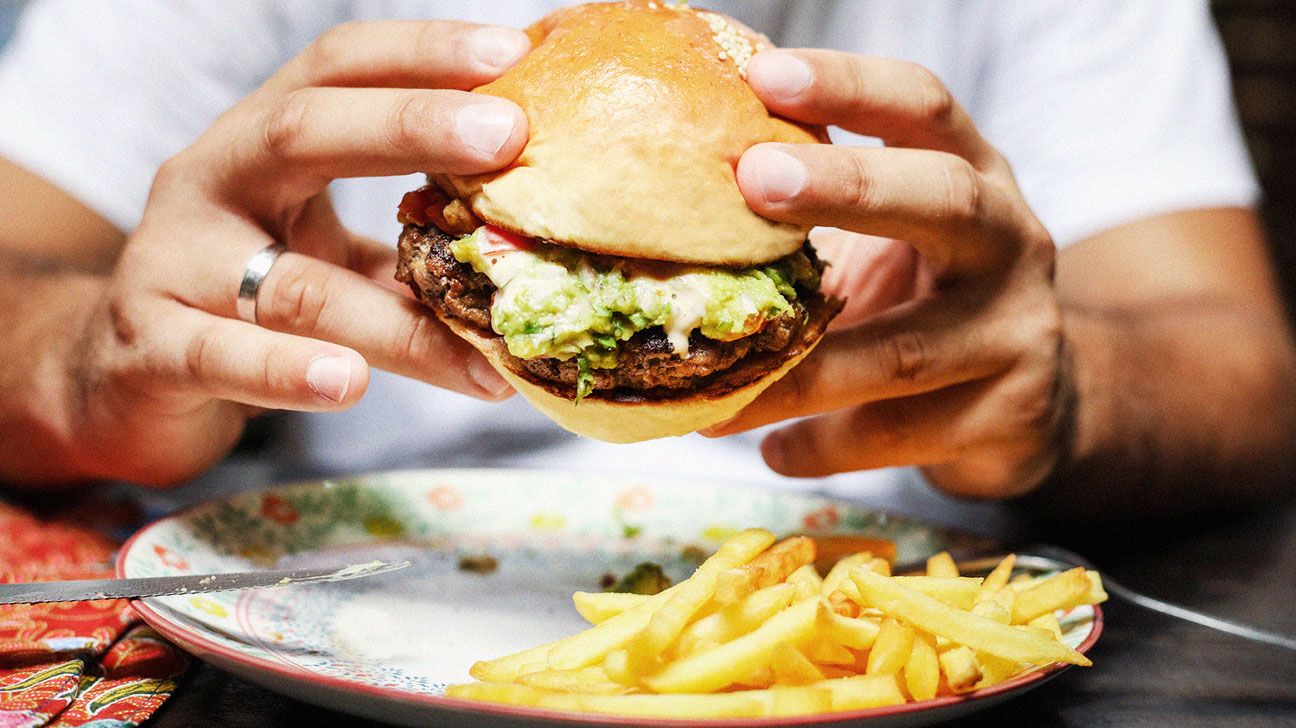
The brain's hypothalamus controls hunger and satiety signals. Alcohol disrupts normal signaling in this region, increasing appetite while simultaneously weakening the prefrontal cortex, the area responsible for decision-making and self-control. This neurological shift explains why people often reach for burgers, fries, and fried chicken after drinking, rather than healthier options.
For parents, this matters most when thinking about older teens and young adults. Teaching kids about this connection early helps them understand their own bodies. When teenagers reach drinking age, knowing that alcohol impairs food choices gives them a framework for making better decisions. Parents can frame conversations around practical strategies: eating balanced meals before social events, staying hydrated, and keeping healthier snack options visible.
The research also has implications for family meals and household food environments. When parents drink at home, they're more likely to purchase and keep ultra-processed foods on hand. Creating awareness about this pattern helps families make intentional grocery choices regardless of alcohol consumption in the household.
For adults managing their own health and modeling behavior for children, understanding this mechanism removes shame from the equation. It's not a character flaw to crave fries after a drink. It's neurobiology. That knowledge