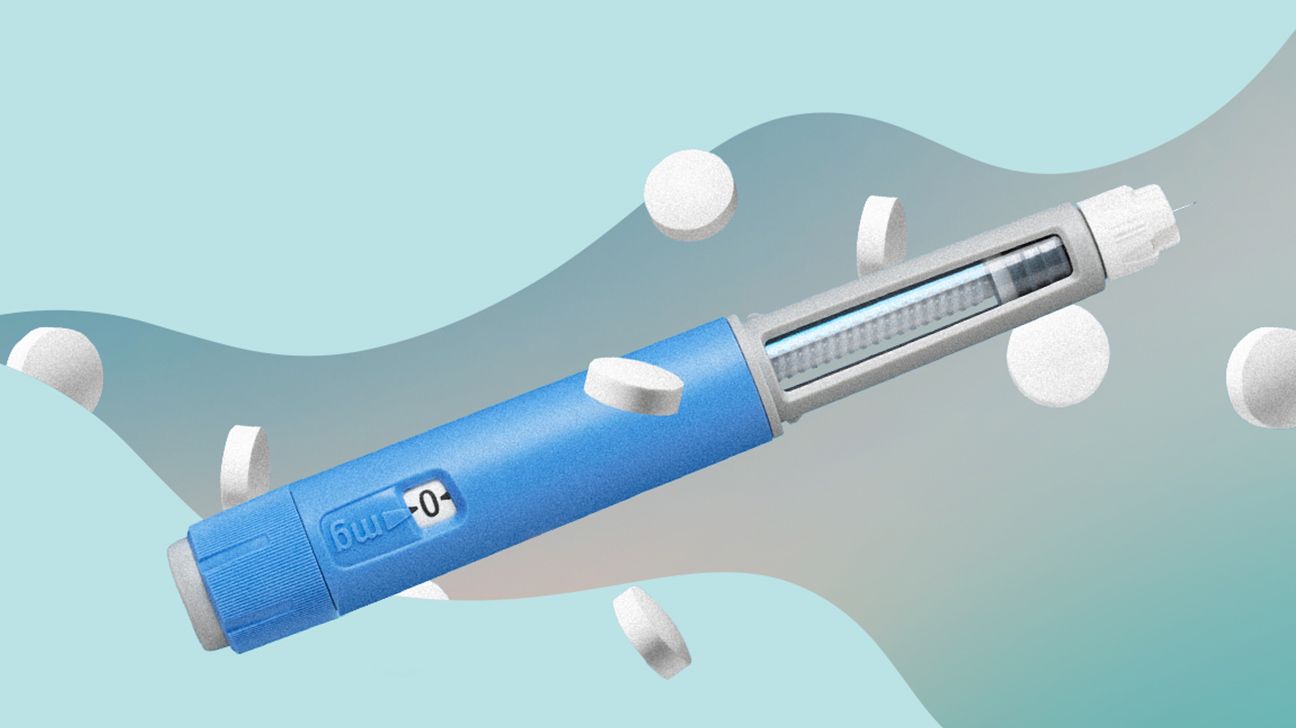
# GLP-1 Drugs Like Ozempic and Mounjaro Show Heart and Stroke Protection
New research links GLP-1 receptor agonist medications to reduced risks of stroke and heart disease in patients with obesity and type 2 diabetes. Drugs in this class, including semaglutide (Ozempic, Wegovy) and tirzepatide (Mounjaro, Zepbound), appear to offer cardiovascular benefits beyond their weight-loss effects.
GLP-1 medications work by slowing digestion and increasing feelings of fullness. They've gained widespread attention for helping patients lose significant amounts of weight. The latest findings suggest these drugs protect the heart and brain in ways researchers are still working to fully understand.
The cardiovascular benefits appear tied to several mechanisms. Weight loss itself reduces strain on the heart. These medications also improve blood sugar control, lower blood pressure, and reduce inflammation. Some research points to direct effects on heart tissue and blood vessels.
For parents, this matters if family members use these drugs or if obesity runs in your family history. Cardiovascular disease remains a leading cause of death, and finding treatments that reduce heart attack and stroke risk represents real progress.
The research does come with reminders. GLP-1 drugs require ongoing use to maintain benefits. They're not substitutes for exercise, healthy eating, and sleep. Side effects like nausea, vomiting, and dehydration occur in some users. Rare cases of thyroid tumors have appeared in animal studies, though human data remains limited.
These medications also carry a high price tag, ranging from hundreds to thousands of dollars monthly without insurance coverage. Access varies widely based on insurance plans and whether doctors prescribe them for weight loss versus diabetes management.
If your family considers GLP-1 therapy, discussion with your doctor should cover realistic expectations, potential side effects