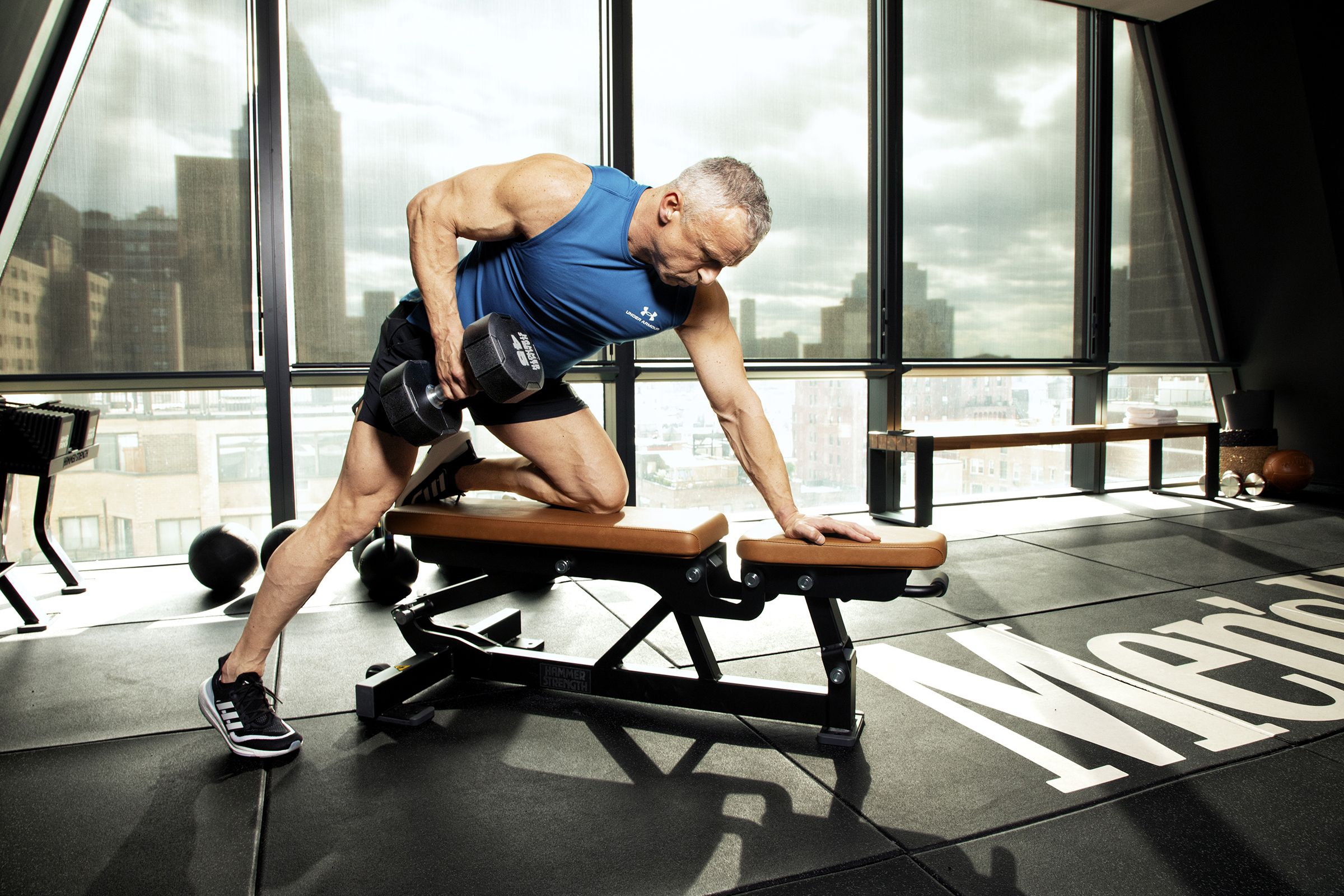
# Building Muscle After 50: What the Science Shows
You don't need to accept muscle loss as an inevitable part of aging. Adults over 50 can build strength and muscle mass with the right approach, though the process differs from younger years.
Resistance training becomes more important after 50 because muscle naturally declines about 3 to 8 percent per decade after age 30, according to research in the journal Gerontology. This loss accelerates after 60. The good news: strength training directly reverses this trend.
Three evidence-based strategies work best for older adults. First, prioritize resistance exercises at least twice weekly. Compound movements like squats, deadlifts, and chest presses activate multiple muscle groups and produce better results than isolation exercises. Progressive overload matters too. Start with manageable weights and gradually increase resistance as strength improves.
Second, protein intake requires attention. Older adults need roughly 1.2 to 2.0 grams of protein per kilogram of body weight daily to support muscle growth, higher than younger adults' recommendations. A 180-pound person should aim for roughly 100 to 165 grams daily through sources like chicken, fish, eggs, yogurt, and legumes.
Third, recovery time extends beyond younger years. Muscles need adequate sleep, typically 7 to 9 hours nightly, to repair and grow. Rest days between resistance sessions prevent overtraining and injury.
Age-related changes do affect hormones like testosterone and growth hormone, which naturally decline with time. However, consistent training offsets these changes substantially. Studies show that 50-year-olds who train regularly build muscle at similar rates to their 30-year-old counterparts when programming accounts for recovery needs.
Starting a program requires caution. Consult a doctor before beginning any new exercise regimen,