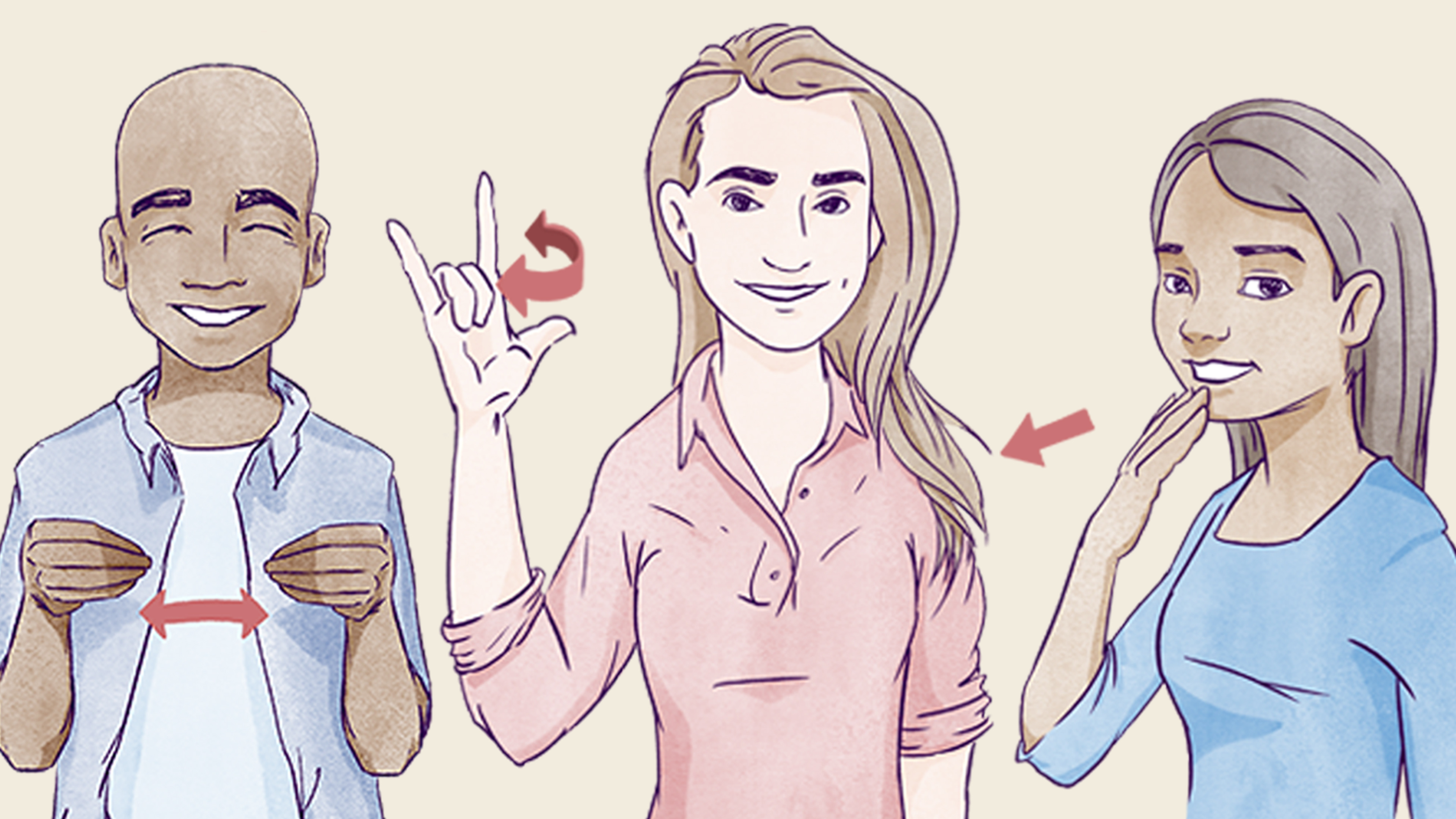
Baby sign language gives parents a way to communicate with infants before they develop spoken language skills. Research shows that babies can make intentional hand gestures as early as 6 to 8 months old, months before they speak their first words.
Learning basic signs helps reduce frustration for both parent and child. Babies who use sign language can express needs like "more," "all done," "milk," and "diaper" through simple hand movements. This early communication tool lets infants tell you when they're hungry, tired, or want to play before verbal speech emerges around 12 to 18 months.
The benefits extend beyond convenience. Studies published in early childhood development journals show that babies exposed to sign language develop stronger communication skills overall. They learn to understand that gestures carry meaning, a foundational concept for language learning. Some research suggests signing may even support literacy development later.
Getting started requires patience and consistency. Parents teach signs by demonstrating them repeatedly during relevant moments. When your baby is hungry, show the "milk" sign while offering a bottle. When finished with a meal, demonstrate "all done" while clearing the tray. Repetition helps babies connect the gesture with the action or object.
The most useful early signs focus on daily routines and basic needs. Signs for "more," "finished," "please," "thank you," "mommy," "daddy," "eat," "sleep," and "play" give babies immediate communication tools. Visual guides and step-by-step demonstrations help parents learn correct hand positions and movements.
Baby sign language works alongside spoken language, not instead of it. Parents should always speak the word aloud while signing, reinforcing both communication methods. This dual approach supports children who have typical hearing and those with hearing loss.
Starting around 6 months gives babies time to observe and practice. Most babies begin responding to signs by 8 to 10