# Trying to Conceive Tips: Do This If You're TTC
Couples trying to conceive often start by asking the same practical questions: when to have sex for the best chance of pregnancy, and how to improve fertility naturally.
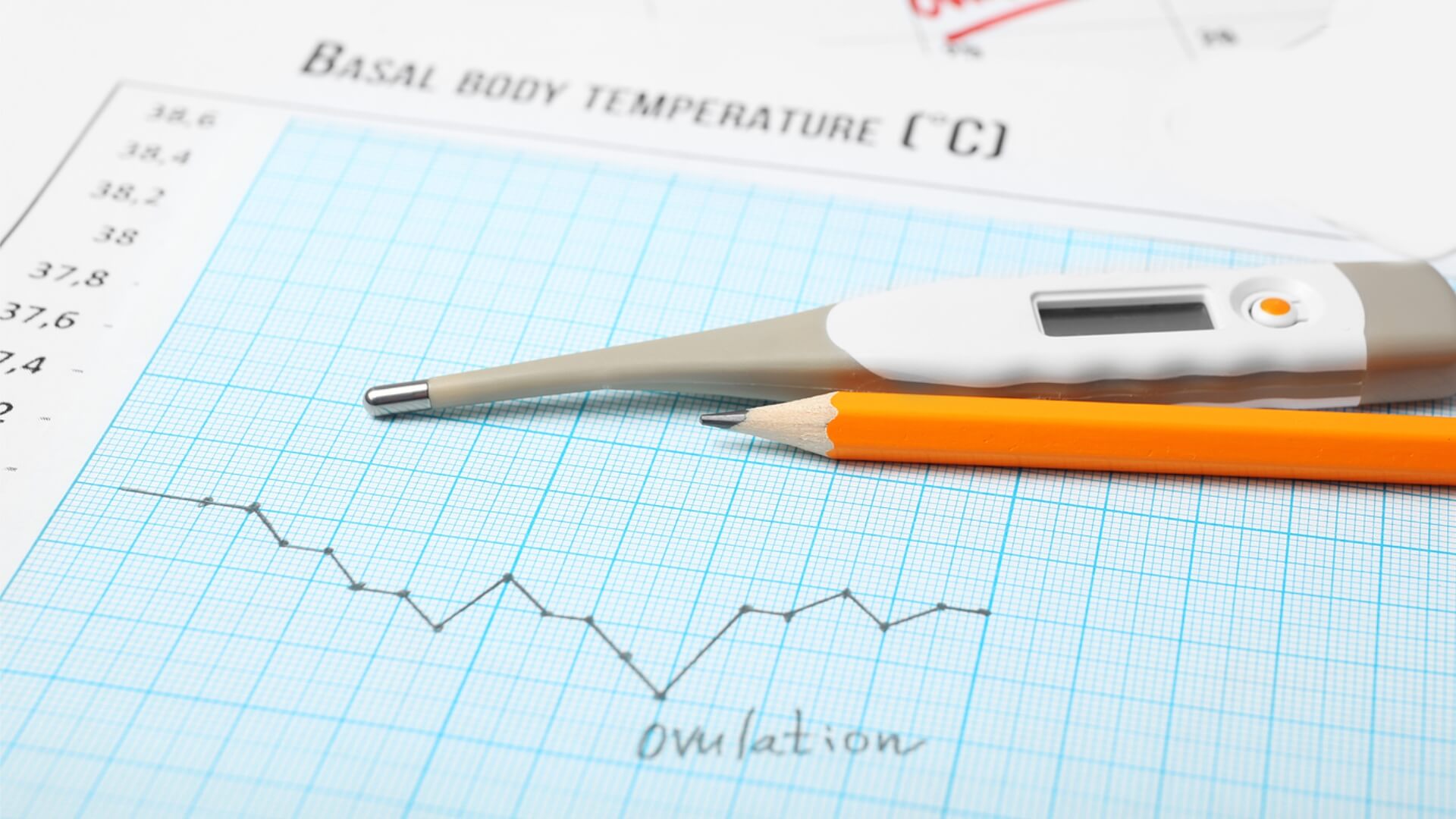
Timing matters most during the fertile window. Pregnancy happens when sperm meets an egg, which requires sex during the days leading up to and including ovulation. For most people with a 28-day cycle, ovulation occurs around day 14, making the five days before ovulation plus ovulation day the prime window for conception. Tracking ovulation through methods like monitoring cervical mucus, using ovulation predictor kits, or tracking basal body temperature helps couples identify this window precisely.
Fertility goes beyond timing. Both partners can boost their chances through lifestyle changes. Regular exercise, healthy weight, and stress reduction improve fertility outcomes for both men and women, according to research from the American College of Obstetricians and Gynecologists. Nutrition matters too. Prenatal vitamins containing folic acid support egg and sperm quality. Men benefit from zinc, selenium, and vitamin C for sperm health.
Sleep quality and stress management affect hormone levels that drive fertility. Couples trying to conceive often benefit from reducing caffeine, eliminating smoking, and limiting alcohol. These changes improve egg quality and sperm count.
Sexual frequency also plays a role. The American College of Obstetricians and Gynecologists recommends couples have sex every two to three days throughout the month, not just during the fertile window. This approach removes pressure from pinpointing exact ovulation dates while maintaining regular sperm availability.
After one year of unsuccessful attempts (or six months for people over 35), consulting a fertility specialist makes sense. Specialists can identify barriers like hormonal imbalances, structural issues, or sperm problems that affect conception.
The trying