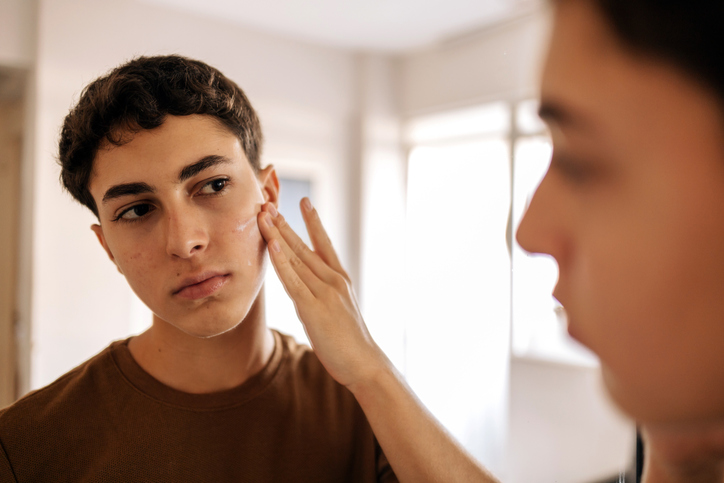
# Boys, Masculinity, and the Looksmaxxing Trend
Looksmaxxing has moved from niche internet spaces into mainstream culture. The trend involves young men obsessively optimizing their physical appearance through grooming, fitness, and styling to achieve what they believe is peak attractiveness. SNL recently mocked the movement, but the phenomenon deserves serious attention from parents.
The trend reflects how social media shapes boys' body image and self-worth. Young men scroll through curated images of influencers displaying sculpted physiques and flawless grooming routines, then chase these unrealistic standards. Unlike girls, who have long faced intense appearance pressure, boys historically received less scrutiny about looks. Looksmaxxing reverses that, creating a new vulnerability.
Child Mind Institute experts warn that this obsession can fuel anxiety and low self-esteem. Boys spending hours analyzing their facial structure, experimenting with skincare regimens, or pursuing extreme fitness protocols are absorbing the message that their value depends on appearance. The pressure intensifies when peer groups embrace looksmaxxing language and culture.
What makes this concerning is the intersection with harmful masculinity narratives. The trend often coexists with incel communities and misogynistic online spaces where appearance becomes tied to sexual entitlement and anger toward women. Boys learn that physical perfection unlocks social and romantic success, reinforcing unhealthy beliefs about relationships.
Parents can counteract this by staying curious rather than dismissive. Ask your son what he follows online. Does he watch fitness creators? Grooming influencers? Listen without judgment. Help him develop critical media literacy by discussing how images are edited and curated. Emphasize that attraction encompasses personality, values, and character.
Encourage activities disconnected from appearance optimization. Sports, hobbies, and social opportunities that build genuine confidence matter more than