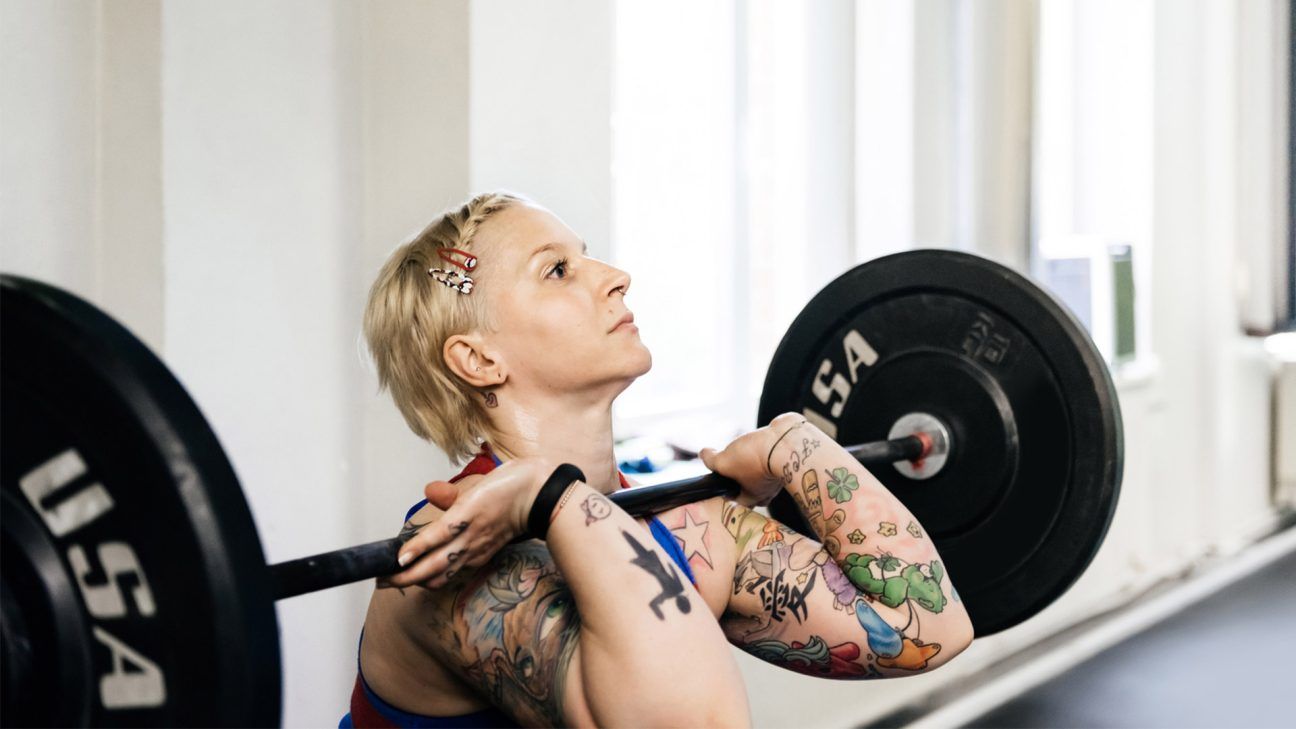
# Strength Training Cuts Heart Attack Risk by Nearly a Third
New research reveals that building chest and back muscles offers surprising cardiac protection. People with strong upper body muscles show a 31% lower risk of heart attack compared to those with weaker muscles in these areas.
The study examined muscle strength as an independent heart health factor, separate from overall fitness levels or body weight. Researchers found that upper body strength matters for cardiovascular health in ways doctors previously underestimated.
This discovery matters for families thinking about exercise routines. Strength training has long been recommended for bone density and metabolic health, but this research adds heart protection to the list of benefits.
The chest and back muscles support cardiac function directly. These muscles help maintain proper posture and breathing mechanics, both tied to heart health. When these muscles strengthen, they support better oxygen circulation and reduce strain on the cardiovascular system.
Parents and teens benefit from knowing this. Building muscle through resistance exercises, weightlifting, or bodyweight training like push-ups offers real cardiac benefits. The research suggests starting strength training early creates protective effects that last into adulthood.
Exercise doesn't need to be complicated. Simple routines targeting the chest and back, done two to three times weekly, produce measurable results. Resistance bands, dumbbells, or gym equipment all work effectively.
The findings apply across ages and fitness levels. Whether someone is a beginner or experienced athlete, improving upper body strength reduces heart attack risk. This applies to women and men equally.
Doctors now have another tool for heart disease prevention conversations. Instead of focusing only on aerobic exercise, they can recommend strength training as foundational cardiac care. For families, this means resistance work belongs in regular fitness routines alongside walking, running, or cycling.
The takeaway remains practical. Building a stronger chest and back protects the heart. Regular strength training is preventive medicine worth starting today.