# Your Child's Gut Health: What Parents Should Know
Your child complains of stomach trouble. Their mood shifts rapidly. Skin breaks out without warning. These symptoms often point to one culprit: an imbalanced gut microbiome.
The gut microbiome contains trillions of bacteria that regulate digestion, immune function, and even mood. When this ecosystem becomes unbalanced—a condition called dysbiosis—children experience physical and behavioral symptoms that baffle parents.
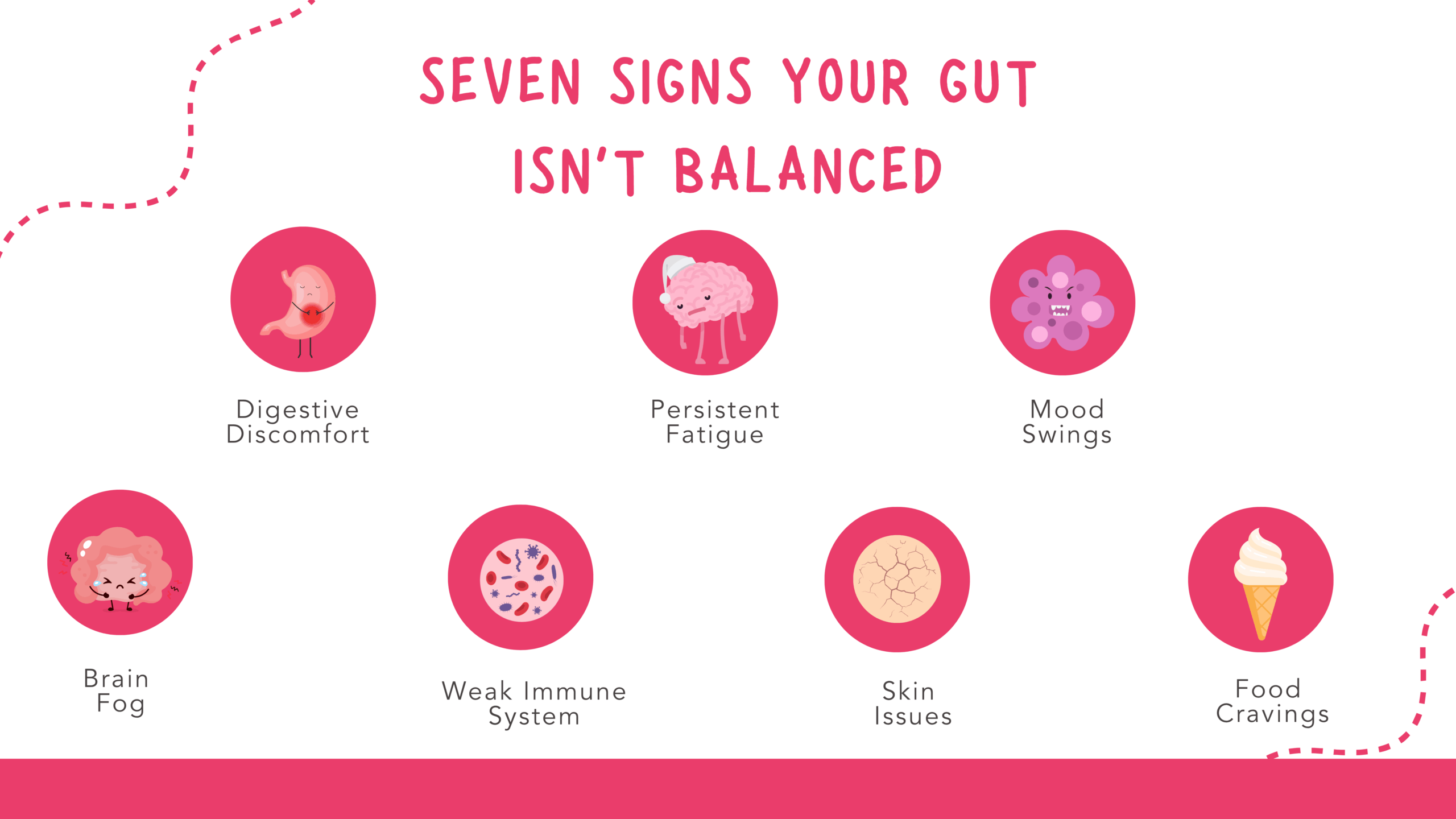
Seven common signs suggest your child's gut needs attention. Digestive issues top the list: persistent bloating, constipation, diarrhea, or gas. Skin problems follow closely. Eczema, acne, and unexplained rashes often reflect gut inflammation. Mood swings and anxiety can emerge when the gut-brain axis becomes disrupted. Mama Natural reports that this connection runs deeper than many realize.
Frequent infections signal a weakened gut barrier. When the intestinal lining becomes permeable, pathogens slip through more easily. Food sensitivities develop or worsen. Sleep problems plague children with dysbiosis. Some children develop brain fog or difficulty concentrating.
Several factors trigger gut imbalance in children. Antibiotics kill beneficial bacteria alongside harmful ones. Processed foods feed harmful bacteria while starving helpful species. Stress impacts the gut-brain connection. Inadequate fiber intake prevents beneficial bacteria from thriving.
Parents can restore balance through deliberate choices. Probiotic-rich foods like yogurt, kefir, and fermented vegetables rebuild bacterial populations. Prebiotic foods like oats, bananas, and garlic feed good bacteria. Reducing processed foods and added sugars eliminates fuel for harmful microbes. Increasing fiber gradually supports healthy digestion.
Quality sleep, stress reduction, and regular movement all strengthen gut health. Some children benefit