# Twice-Monthly GLP-1 Shot Shows Promise for Blood Sugar and Weight Control
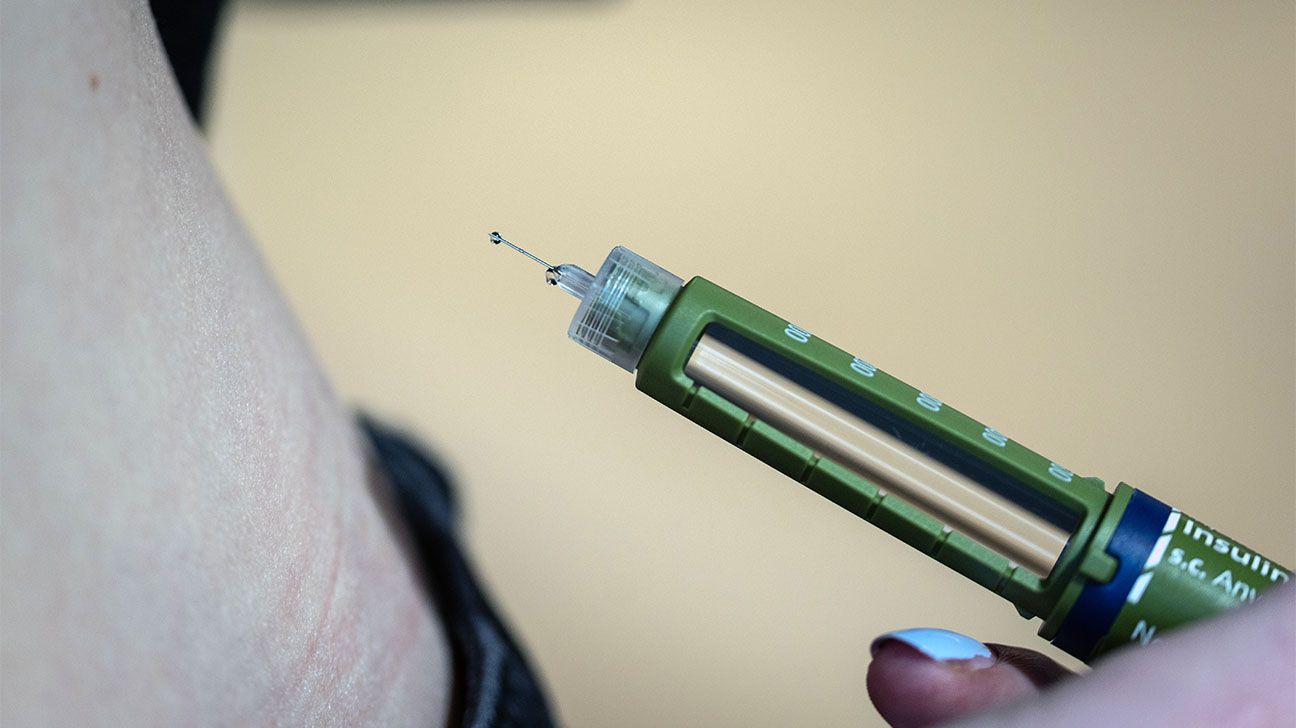
A new clinical trial demonstrates that a twice-monthly GLP-1 injection helps people manage both blood sugar levels and weight more effectively than weekly doses. The research represents a step forward in diabetes and weight management treatment options for families seeking less frequent medication schedules.
GLP-1 receptor agonists work by mimicking a hormone that regulates blood sugar and appetite. Existing medications like semaglutide (Ozempic, Wegovy) and tirzepatide (Zepbound, Mounjaro) require weekly injections. The trial tested whether spacing injections to every two weeks maintained the same benefits while improving convenience and reducing injection frequency.
Study participants who received the twice-monthly formulation experienced comparable reductions in blood sugar levels and weight loss compared to those on standard weekly schedules. The less frequent dosing could appeal to families managing chronic conditions, as fewer injections means fewer clinic visits and less medication handling at home.
GLP-1 drugs have become widely discussed in parenting communities, particularly for adolescents with type 2 diabetes or obesity. The American Academy of Pediatrics recognizes these medications as treatment options when lifestyle changes alone prove insufficient. However, access remains a barrier. Insurance coverage varies, and costs can exceed several hundred dollars monthly without coverage.
Parents considering GLP-1 treatment for their children should consult pediatric endocrinologists or their child's primary care doctor. These medications work best alongside diet changes and physical activity, not as replacements. Common side effects include nausea, vomiting, and constipation, which typically improve over time.
The twice-monthly option could improve adherence, particularly for teens who may struggle with weekly schedules. Before pursuing any GLP-1 medication, families should discuss realistic expectations, potential side