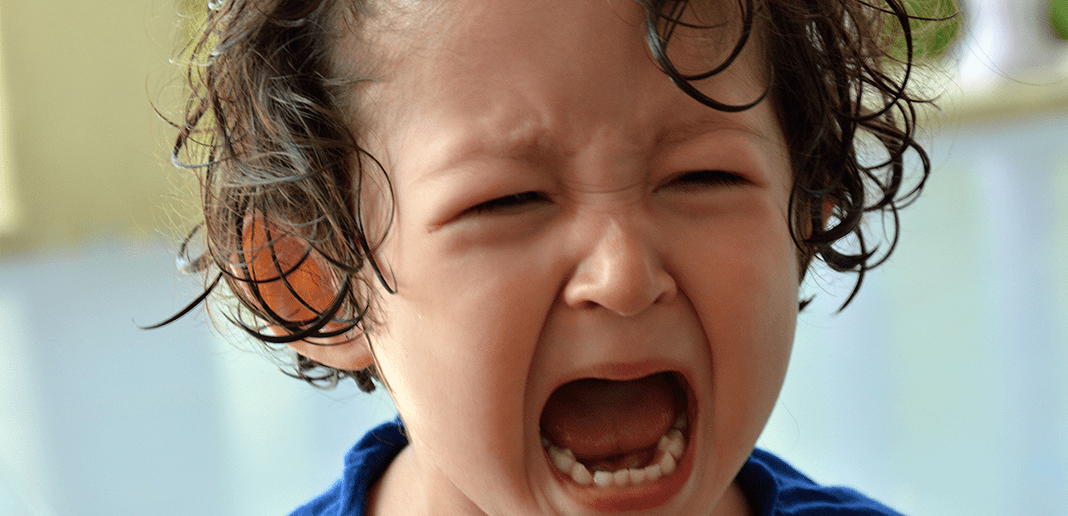
# Angry Kids: Dealing With Explosive Behavior
When young children lose control during emotional meltdowns, they can hurt themselves, siblings, or parents through screaming, cursing, and throwing objects. The Child Mind Institute addresses this challenge parents face when kids struggle to manage intense feelings.
Explosive behavior in children often stems from underdeveloped emotional regulation skills. Young brains lack the neural pathways needed to process big feelings safely. Children ages 2 to 8 are particularly prone to aggressive outbursts because their prefrontal cortex, which handles impulse control and emotion management, is still developing.
Several factors trigger aggressive meltdowns. Frustration tolerance is low in young kids, so minor disappointments feel catastrophic. Hunger, tiredness, and overstimulation lower their capacity to cope. Some children have neurological differences, sensory sensitivities, or anxiety that make emotional regulation harder.
The Child Mind Institute recommends parents first ensure safety during explosions. Remove dangerous objects, move the child away from hazards, and stay calm yourself. Your composure models emotional control. Never engage with the behavior by arguing or yelling back, which escalates things further.
After the meltdown passes, validation helps. Acknowledge the child's big feelings without accepting the behavior. Say something like, "You were really upset, and it's okay to feel angry. It's not okay to throw things."
Prevention strategies work better than crisis management. Build emotional vocabulary by naming feelings throughout the day. Practice deep breathing together during calm moments. Create predictable routines that reduce stress and overstimulation.
Some children benefit from a designated calm space—not a punishment corner, but a place with soft textures, quiet activities, and comfort items. Let them retreat there when feelings build up.
If aggressive behavior persists despite your efforts, talk with your pediatrician.