# Everyday Chores Count as Real Exercise, Research Shows
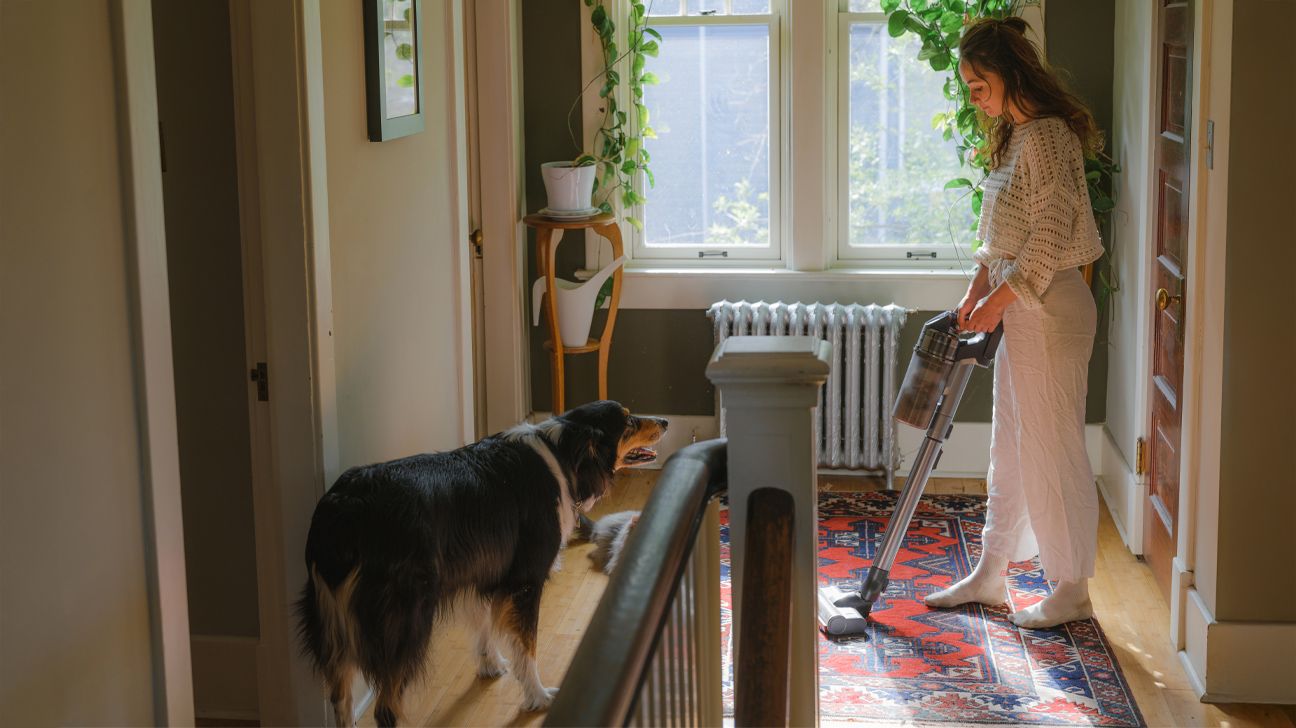
Climbing stairs and vacuuming deliver genuine health benefits. New research confirms that everyday physical activities boost cardiovascular fitness and mental health in ways comparable to structured workouts.
The study examined what exercise scientists call "incidental movement," the unplanned activity woven into daily life. Stair climbing, housework, gardening, and active play with children all register as legitimate exercise when they elevate your heart rate and require sustained effort.
Researchers measured how these activities affected participants over weeks. The results were clear. People who accumulated 30 minutes of stair climbing or household tasks daily showed improved aerobic capacity, lower blood pressure, and reduced stress markers. The mood benefits appeared quickly, within the first two weeks of consistent activity.
"Movement is movement," says Dr. Michael Joyner, exercise physiologist at the Mayo Clinic. "Your body doesn't distinguish between a treadmill run and vacuuming your living room if the physical demand is similar." This matters enormously for busy families who struggle to carve out gym time.
The research aligns with guidelines from the American Heart Association, which recognizes that 150 minutes of moderate activity weekly protects heart health. That target includes incidental movement. Parents juggling work and child care now have scientific permission to count their effort differently.
For families, this reframes household responsibility. When you're climbing stairs with laundry baskets, playing tag with kids outside, or doing yard work, you're exercising. The mental health boost comes partly from completing tasks and partly from physical exertion itself.
The catch: intensity matters. A slow walk through your home doesn't count. The activity needs to challenge your body enough that talking feels difficult. Vigorous vacuuming, gardening with purpose, or stair climbing with pace works. Casual tidying