# Finding Answers When Your Child Is Struggling: Introducing Ask Kai
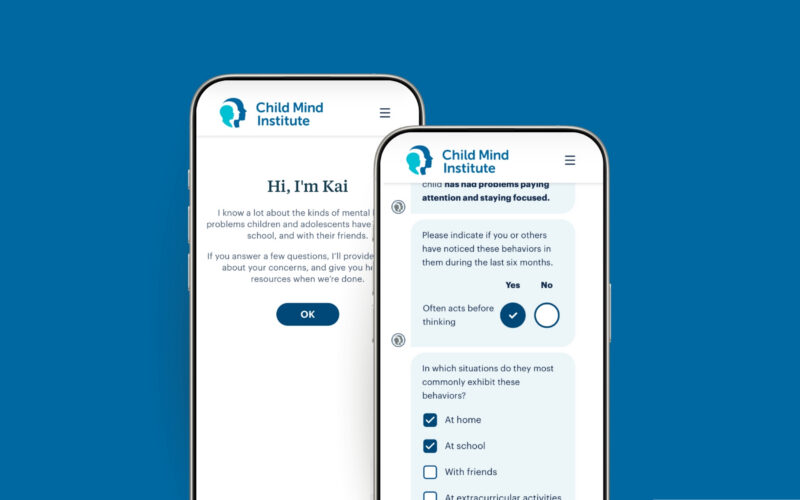
The Child Mind Institute has launched Ask Kai, a conversational symptom checker designed to help parents and caregivers navigate their child's behavioral and emotional struggles. The tool offers a starting point when parents notice concerning changes in their child's mood, behavior, or development but aren't sure what comes next.
Ask Kai works by asking questions about what parents are observing. Rather than diagnosing conditions, the tool helps identify patterns and points families toward appropriate resources and next steps. This bridges a real gap in parenting support. Many parents feel uncertain when their child shows signs of anxiety, inattention, anger, or social withdrawal. They wonder whether the behavior is developmentally normal, whether they should contact their pediatrician, or whether their child needs specialist evaluation.
The symptom checker addresses this confusion head-on. Parents describe what they're seeing. The tool asks clarifying questions about frequency, duration, and impact on daily life. Then it offers guidance on whether the behavior warrants professional attention and connects families with relevant resources, including information about finding therapists, understanding diagnoses, and accessing school-based support.
This resource reflects how parents actually search for answers. Many turn to Google first, where information quality varies wildly. Ask Kai provides vetted guidance from child development experts at a trusted institution. It's free and accessible online, which removes barriers to information that many families face.
The tool doesn't replace professional evaluation. Instead, it helps parents feel more confident and informed when they do reach out to their pediatrician or a mental health specialist. Parents armed with specific observations and questions tend to get better care faster.
Ask Kai represents a practical approach to early identification. When children show signs of struggle, earlier intervention typically produces better outcomes. Any tool that helps parents recognize when their child needs support and connects them to the right professionals serves