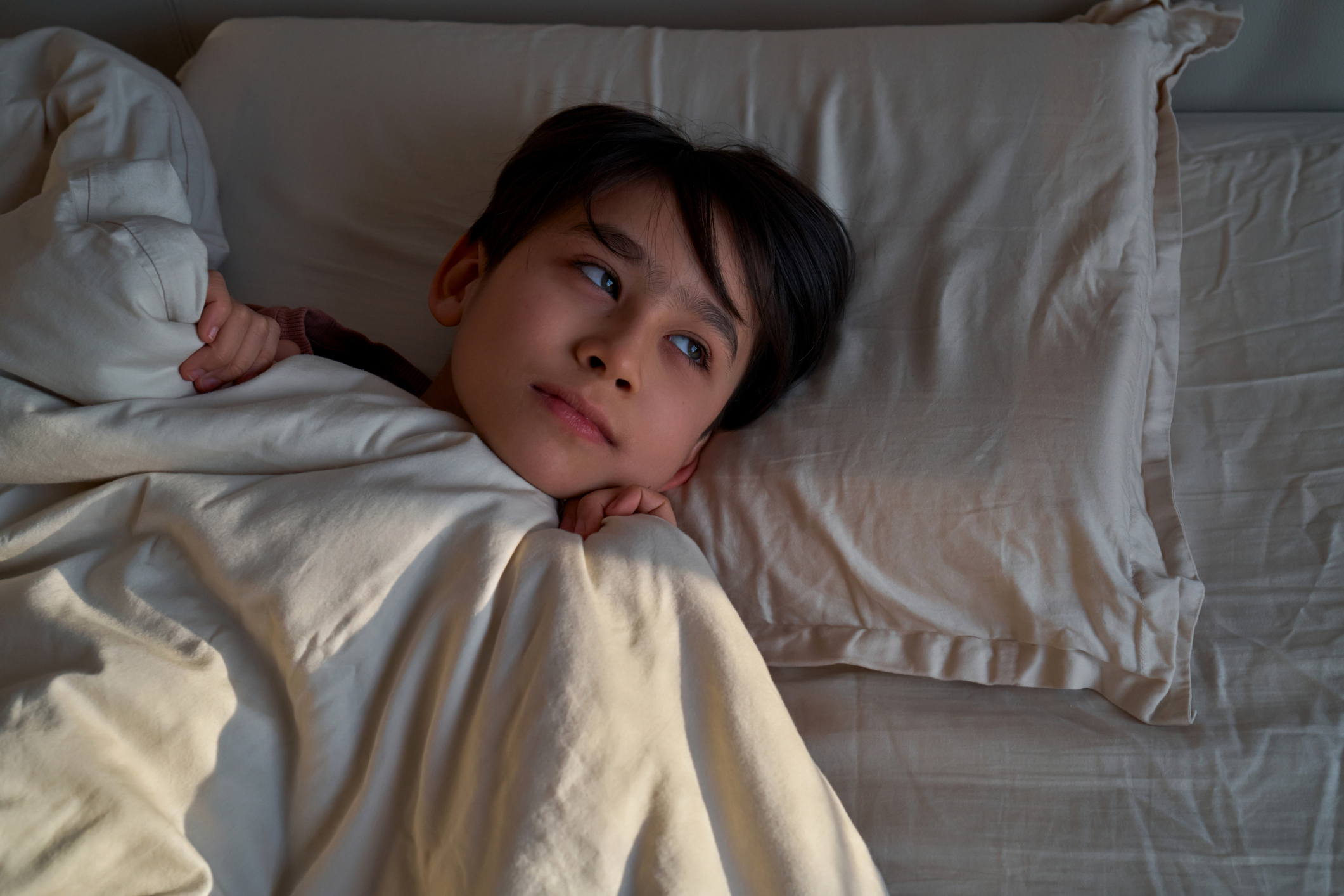
# Melatonin for Kids: Is It Safe?
Melatonin sits in a gray zone for many parents. It lines drugstore shelves as a "natural" sleep aid, yet medical evidence and expert guidance remain unsettled on whether children should take it.
The hormone melatonin regulates sleep-wake cycles in the body. When a child struggles to fall asleep, melatonin supplements seem like an obvious solution. Many parents reach for it because it feels safer than prescription sleep medications. The problem: the FDA doesn't regulate melatonin as strictly as prescription drugs. Quality, dosage, and purity vary wildly between brands.
The Child Mind Institute notes that research on melatonin in children remains limited. Most studies involve small sample sizes and short time frames. Long-term effects remain largely unknown. What works for one child may not work for another. Some kids fall asleep faster. Others see no change.
Pediatricians express caution. The American Academy of Pediatrics does not recommend melatonin as a first-line treatment for childhood sleep problems. Instead, experts recommend addressing root causes. Sleep issues often stem from inconsistent bedtimes, too much screen time before bed, anxiety, or underlying sleep disorders like sleep apnea.
Behavioral approaches work better for most kids. A consistent sleep schedule, a calming bedtime routine, and limiting caffeine and screens one to two hours before bed produce lasting results. These strategies address why sleep is difficult rather than masking the problem.
If a child does take melatonin, start low and use it briefly. Typical doses range from 0.5 to 5 milligrams, though children's actual needs vary. Taking melatonin long-term could potentially affect the brain's natural ability to produce the hormone, though research on this remains ongoing.
Before giving