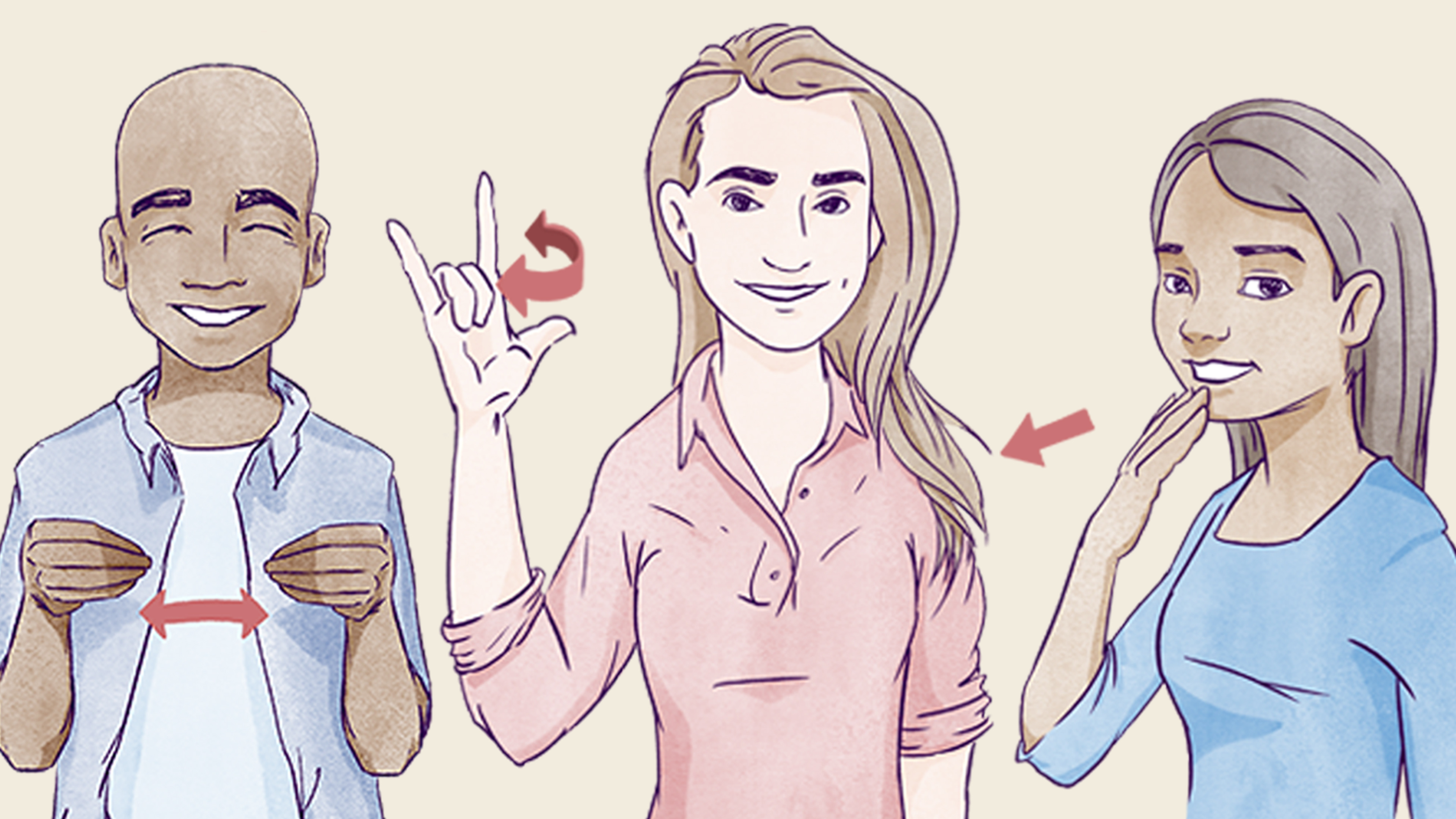
Baby sign language gives parents a way to communicate with infants months before they speak their first words. Babies as young as 6 months old can learn simple signs like "milk," "more," and "all done," giving them tools to express needs before verbal language develops.
Research from the University of California supports early signing. Babies who learn sign language alongside spoken language show accelerated language development overall and experience fewer frustration-driven tantrums. Psychologist Dr. Linda Acredolo, who studied baby signs extensively, found that signing babies communicated their needs more clearly and engaged in richer interactions with caregivers.
Common starter signs include "milk" (hand milking motion), "more" (fingertips touching together), "eat" (hand to mouth), "water" (three fingers to chin), "diaper" (pinching at hip), "sleep" (head tilted to palm), "mom," and "dad." Parents don't need formal training. Most baby sign language programs use simplified versions of American Sign Language adapted for tiny hands and developing motor skills.
The benefits extend beyond communication. Teaching baby signs strengthens the parent-child bond through intentional interaction and reduces household stress. When a hungry baby can sign "milk" instead of crying, everyone benefits. Studies show babies who use sign language also tend to develop stronger reading skills later.
Getting started requires consistency but no special equipment. Parents introduce one or two signs at a time, using them repeatedly during relevant moments. Signing "milk" while nursing or bottle-feeding, for example, pairs the gesture with context. Visual cheat sheets and guides help families remember correct hand shapes and movements.
Hearing children of deaf parents naturally acquire sign language alongside spoken language from infancy. Hearing children with hearing parents can also benefit from baby signs as a bridge communication tool. The approach works best when multiple caregivers use the same signs consistently.